GAF Energy GAF Energy

Top China Residential Energy Storage Factory & Exporters

Tier-1 LiFePO4 Battery Integration, Custom Smart BMS, and High-Performance Residential ESS Solutions Designed for Global Off-Grid & Hybrid Infrastructures.

Engineered for Resilience: Shenzhen GAF Energy Co., Ltd.

Shenzhen GAF Energy Co., Ltd. is a leading, specialized Lithium Battery Manufacturer focused on translating next-generation battery technology into robust LiFePO4, Energy Storage, and Renewable Power Solutions. Serving utility-scale, commercial-industrial (C&I), and residential spaces, our core mission is to construct highly reliable power ecosystems that handle the demands of a clean-energy world.

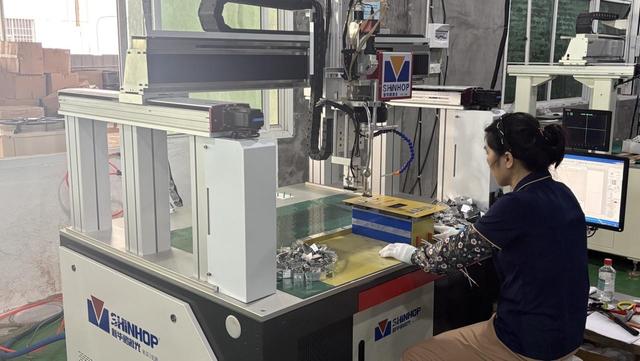
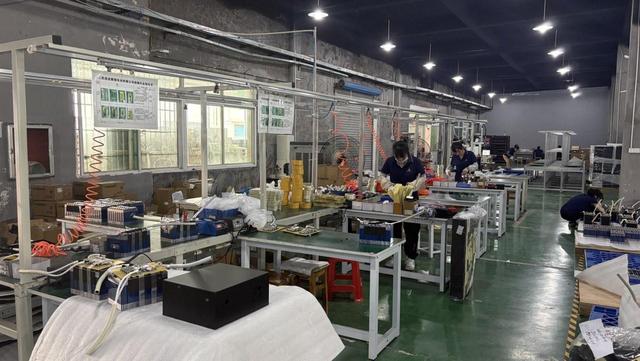
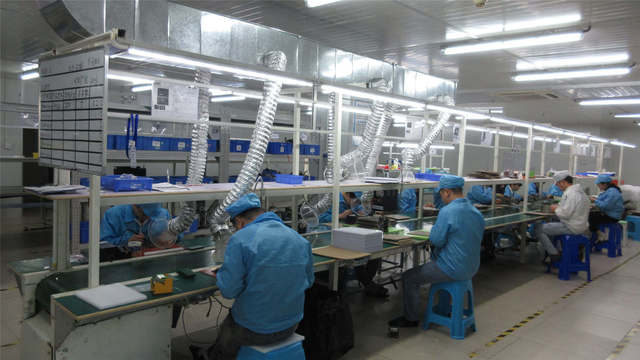
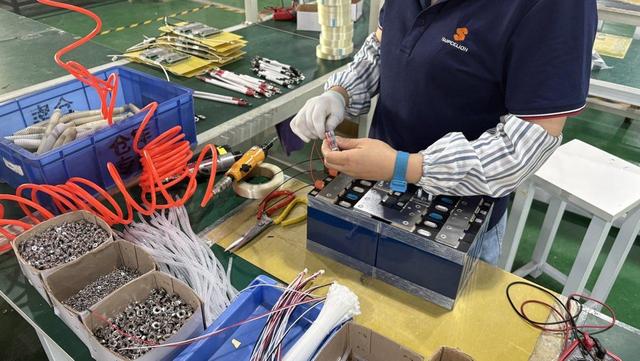
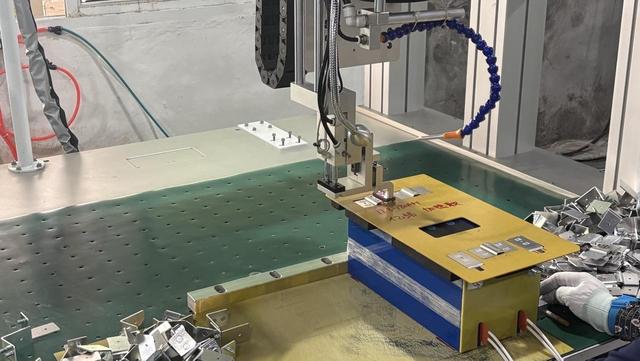
Strategically situated in Shenzhen—the world's capital of lithium battery manufacturing—GAF Energy utilizes automated sorting processes and smart assembly protocols. We oversee every element from chemistry formulation to structural battery housing. We engineer LFP, NMC, and Sodium-ion battery packs that carry the certifications needed for complex microgrids, smart homes, and off-grid EV support installations globally.

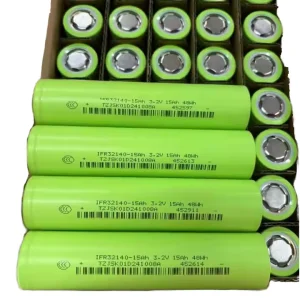
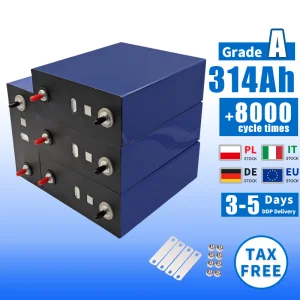
By blending Tier-1 prismatic cells with micro-processor controlled Battery Management Systems (BMS), GAF Energy achieves superior thermodynamic balance, preventing cell mismatches and extending battery life to over 6,000–8,000 cycles. We deliver safe, certified, and cost-effective power storage options for projects worldwide.
8,000+
Life Cycles (LiFePO4)
100%
A-Grade Cell Sourcing
60+
Exporting Countries
125kWh+
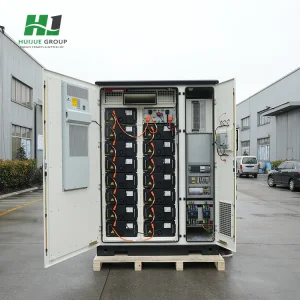
Industrial Unit Scalability

Strategic Advantages of China's Energy Storage Manufacturing

How local supply integration, raw materials access, and engineering scale benefit global ESS procurement.

Fully Integrated Supply Chain

From lithium carbonate refining and cathode precursor formulation to cell manufacturing and smart BMS design, China's storage industry is deeply integrated. GAF Energy passes these cost-efficiencies and supply guarantees directly to our global partners.

Smart BMS Development

Modern residential storage requires precise software control. Our custom BMS platforms feature dynamic cell-balancing algorithms, state-of-health (SoH) diagnostics, and communication protocol matching (CAN/RS485/Modbus) to pair with top inverter brands.

Advanced Testing Standards

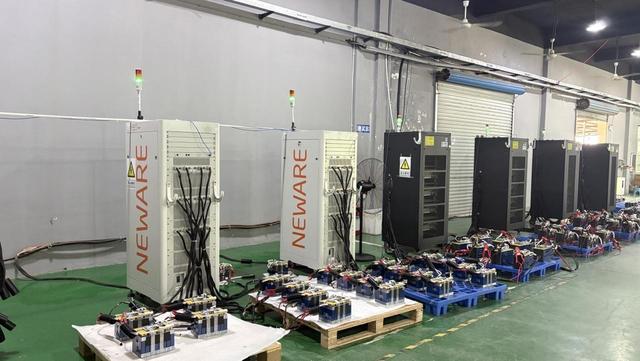
Each unit undergoes intensive thermal cycling, drop testing, simulated over-discharge tests, and short-circuit testing. The result is total compliance with UN38.3, CE, RoHS, and MSDS safety rules prior to export.

Global Residential ESS Trends

The residential energy storage sector is moving rapidly toward high-voltage architectures, stackable configurations, and dual chemistry setups. High-voltage (HV) residential systems operate with lower line currents, reducing system power losses and cutting installation costs.
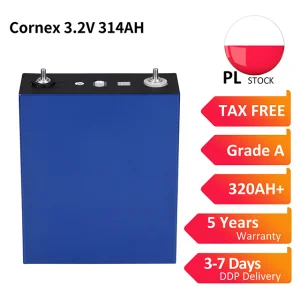
  • Transition to 314Ah+ Cells: Next-generation home ESS designs utilize higher energy density cells to pack more storage capacity into compact, space-saving layouts.
  • Sodium-ion (Na-Ion) Emergence: For areas prone to extreme cold, sodium-ion technology provides excellent low-temperature output and a lower total cost of ownership.
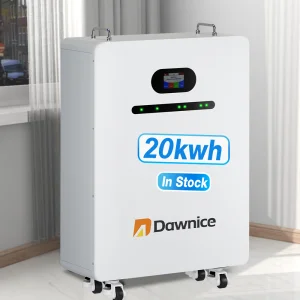
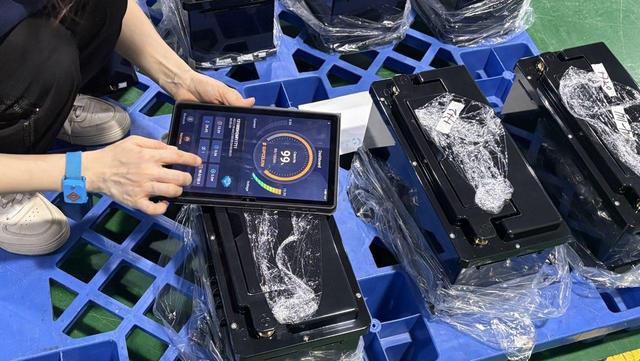
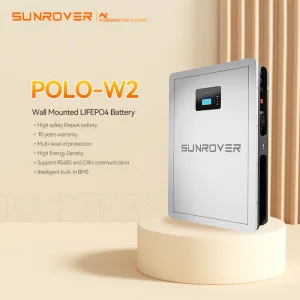
  • Interactive Touchscreens: Real-time status screens and cloud-linked app control allow users to easily track battery metrics (voltage, charge cycle count, operating temperature).

Tailored Solutions for Real-World Scenarios

From European time-of-use tariffs to off-grid farming and backup microgrids, GAF Energy systems adapt seamlessly.

North America: Split-Phase High Surge Systems

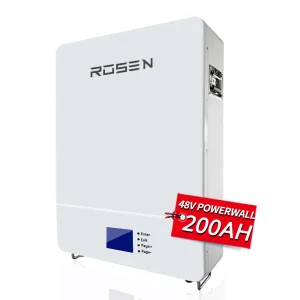
North American home grids require robust split-phase (120V/240V) output structures. Our rack-mounted and powerwall systems support high surge currents to comfortably start demanding home appliances, like central AC systems, during grid blackouts.

Europe: Time-of-Use & Micro-generation

With variable hourly power tariffs, our smart systems store low-cost off-peak power and release it during high-tariff periods. They communicate smoothly with residential solar arrays to maximize self-consumption and lower electricity bills.

Off-Grid & Leisure Mobility Integration

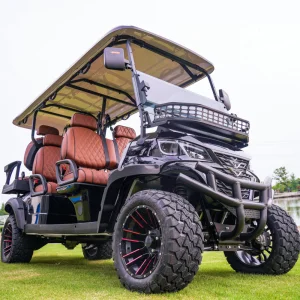
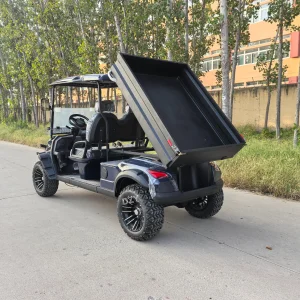
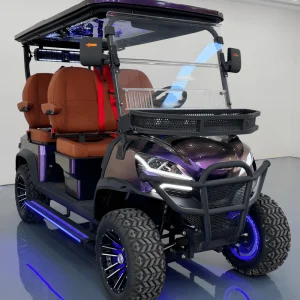
We supply specialized solutions that support off-grid properties and recreational vehicles. This includes premium lithium batteries designed for electric golf carts and reliable, high-capacity power options for remote cabins and campsites.

Comprehensive OEM & ODM Capabilities

For distributors, commercial solar installers, and private brands, GAF Energy offers turnkey design, prototyping, and mass production services:
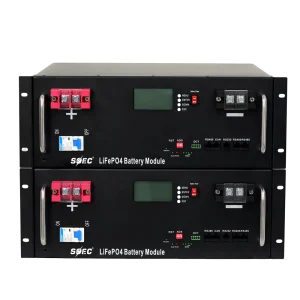
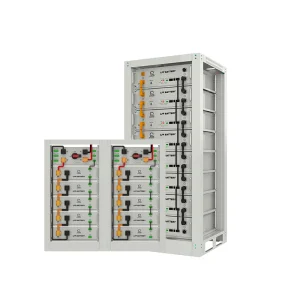
  1. Custom Form Factors: Rack-mounted, wall-mounted (Powerwall style), stackable high-voltage towers, or compact wheeled backup boxes.
  2. BMS Customization: Integration of specific communication chips, custom current protection limits, and LCD touch interfaces.
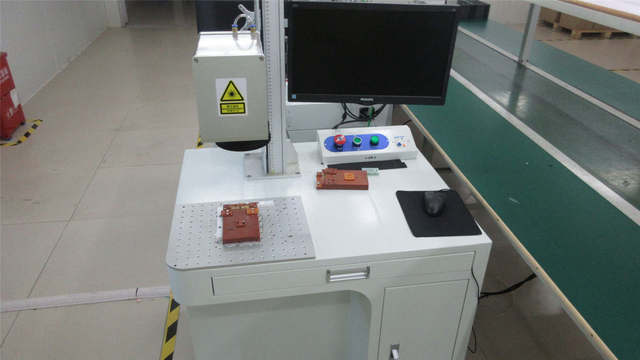
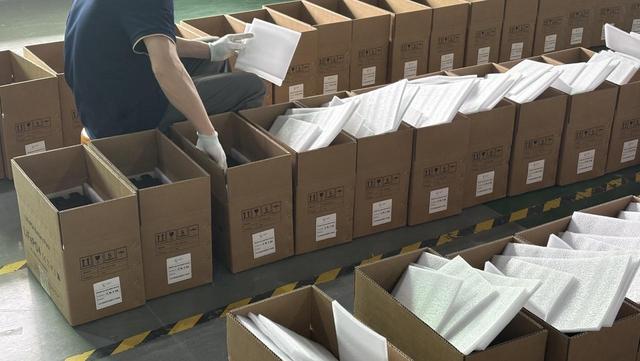
  3. Private Labeling & Packaging: Compliance-ready laser marking, user guides, and shipping packaging designed for international transit.

Residential Storage FAQ & Technical Insights

Expert answers to common questions about residential battery chemistry, safety protocols, and installation setups.

1. Why is LiFePO4 (LFP) preferred over NMC for residential energy storage systems? +
LiFePO4 (Lithium Iron Phosphate) offers superior thermal and chemical stability compared to NMC (Nickel Manganese Cobalt). LFP chemistry is virtually immune to thermal runaway under normal operating parameters, maintains a significantly longer lifespan (6000+ cycles vs 2000 cycles for NMC), and operates safely at higher temperatures without requiring complex liquid cooling configurations.
2. How does the BMS monitor system safety? +
A Battery Management System (BMS) acts as the control center of the battery pack. It monitors cell voltages, currents, and temperatures in real-time. If it detects over-voltage, under-voltage, over-current, short circuits, or extreme temperatures, it opens the internal contactors to disconnect the battery block, protecting the system from damage and preventing cell failures.
3. Can I mix battery packs of different capacities or brands in one installation? +
We highly discourage mixing battery packs of different capacities, brands, or ages. This can cause circulating currents, cell imbalances, and uneven aging, which will degrade system performance. For stackable setups, always use identical modules from the same production batch.
4. What certifications are required for importing home batteries from China? +
To import batteries safely and legally, products must carry key safety certifications: UN38.3 (for safe air/sea transport), MSDS documents, CE (for European distribution), and IEC 62619 (international safety standard for industrial and residential batteries). GAF Energy supplies complete compliance documentation with every export order.
5. What is the difference between high-voltage and low-voltage home battery systems? +
Low-voltage (LV) systems typically operate around 48V–51.2V and are simple to install, making them ideal for standard off-grid systems. High-voltage (HV) systems range from 150V to over 400V. They offer greater efficiency, lower line losses, and work exceptionally well with larger solar systems that require higher power throughput.
6. How does GAF Energy ensure quality consistency across large orders? +
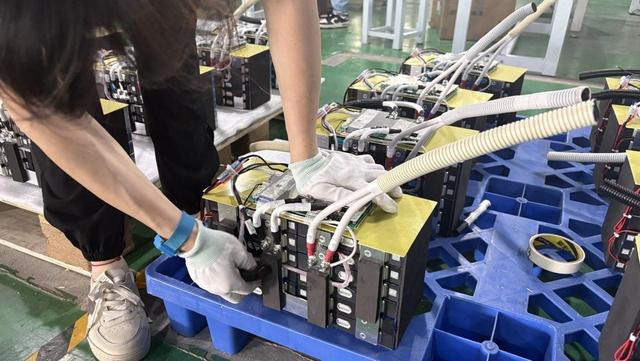
We use a rigorous cell-matching process that filters cells by internal resistance, voltage, and capacity deviation to ensure uniformity across each pack. Combined with automated laser welding, computerized aging tests, and multi-stage quality inspections, we guarantee that every exported battery module meets our performance standards.