GAF Energy
GAF Energy
GAF Energy
Industrial grade, smart BMS protected lithium battery systems ready for global deployment.
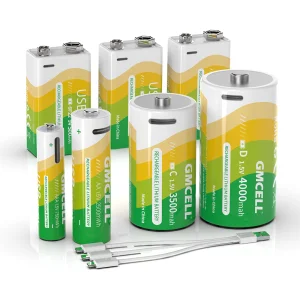
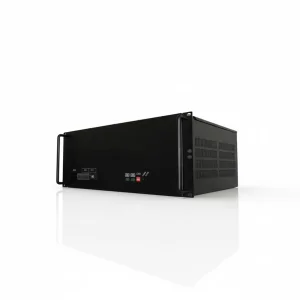
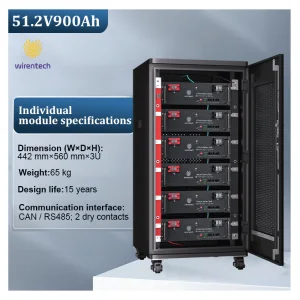
With the global rollout of 5G infrastructure, telecom networks require higher transmission speeds, lower latency, and dramatically denser base station deployments. The main challenge? 5G stations consume up to three times more power than 4G equipment. Grid instability, sudden load increases, and extreme weather events present major operational risks for network providers. Uninterruptible and reliable telecom backup power is no longer optional—it is a critical link in the global information supply chain.
Traditional Lead-Acid (VRLA) batteries have served the telecom market for decades, but their limitations—extreme weight, brief cycle life under high discharge rates, poor thermal endurance, and high Maintenance Operational Expenditure (OPEX)—have prompted a major transition. Advanced Lithium Iron Phosphate (LiFePO4) technology has emerged as the global standard for modern telecommunications power backup.
For telecom network operations directors, understanding the long-term Total Cost of Ownership (TCO) difference between battery chemistries is key to achieving profitability and network uptime goals.
| Performance Metrics | Lead-Acid (VRLA) Battery | Shenzhen GAF Energy LiFePO4 Systems | Operational Advantage |
|---|---|---|---|
| Cycle Life (80% DOD) | 300 - 600 cycles | 5,000 - 6,000+ cycles | Eliminates frequent field replacements, cutting O&M overhead. |
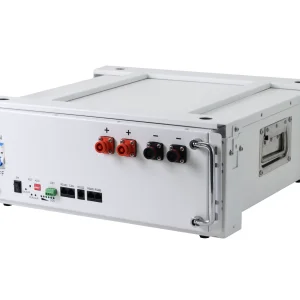
| Energy Density | 30-50 Wh/kg | 120-150 Wh/kg | High-density layout fits compact cabinet rack spaces (2U to 4U sizes). |
| Depth of Discharge (DOD) | 50% recommended maximum | Up to 100% capacity utilization | Requires less physical nominal capacity for identical backup windows. |
| Temperature Sensitivity | Capacity halves for every 10°C drop; life decreases at >25°C | Minimal degradation, robust up to 60°C without active chilling | Minimizes base station air conditioning and cooling system electricity costs. |
| Recharge Efficiency | Long charge curve (8-16 hours) | Fast charge support (90% in 1-2 hours) | Maintains station uptime through back-to-back outages. |
| BMS Communication | None (needs external monitor) | Integrated Smart BMS (RS485, RS232, CAN) | Enables remote central network monitoring of health metrics (SOH/SOC). |
Shenzhen GAF Energy Co., Ltd. is a professional Lithium Battery Manufacturer | LiFePO4, Energy Storage & Renewable Power Solutions dedicated to delivering advanced energy storage technologies for residential, commercial, industrial, and renewable energy applications worldwide. With a focus on innovation, safety, and sustainability, the company provides high-performance lithium battery solutions that support the growing global demand for clean and reliable energy.
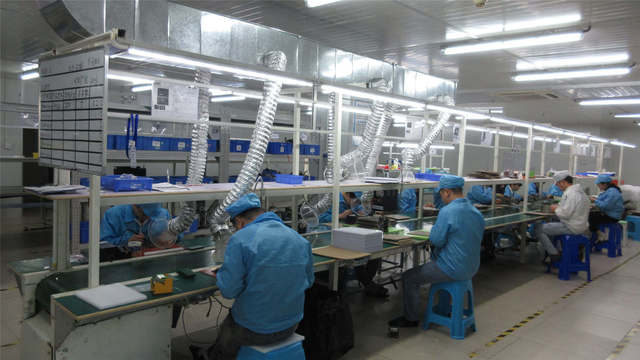
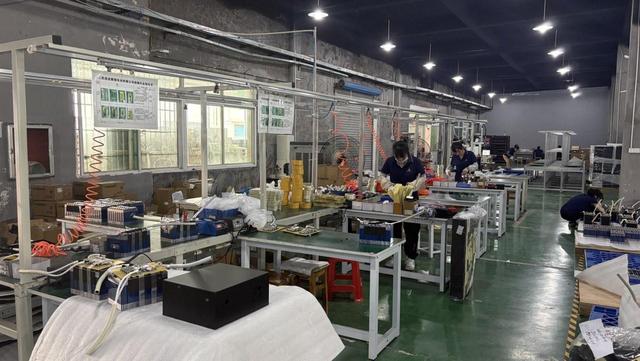
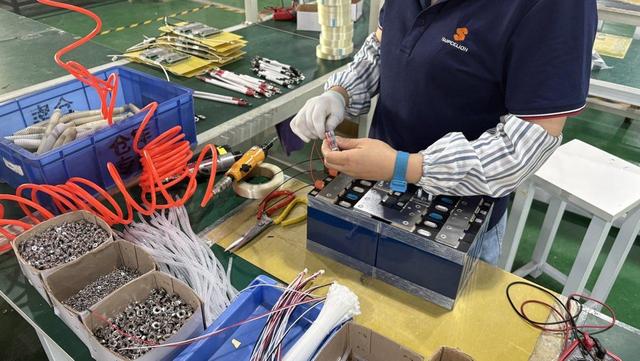
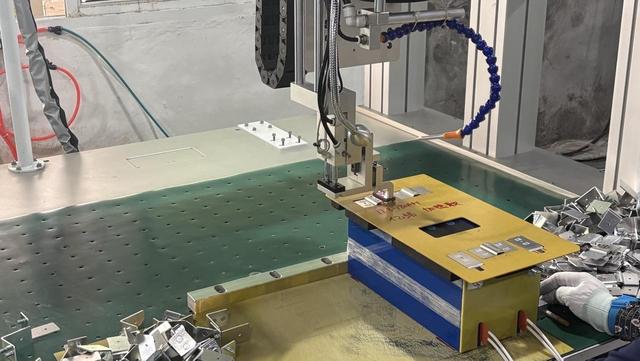
Headquartered in Shenzhen, China, GAF Energy operates modern manufacturing facilities equipped with advanced production equipment, automated assembly lines, and comprehensive quality management systems. The company specializes in the research, development, and production of LiFePO4 batteries, lithium-ion battery systems, residential energy storage batteries, commercial and industrial energy storage systems (ESS), solar storage batteries, rack-mounted battery systems, high-voltage battery solutions, and customized battery packs.
GAF Energy places strong emphasis on product quality and technological innovation. By utilizing premium battery cells, intelligent battery management systems (BMS), and rigorous testing procedures, the company ensures excellent safety, long cycle life, stable performance, and high energy efficiency. Every battery system is designed to meet the demanding requirements of renewable energy integration, backup power applications, and modern energy management solutions.
In addition to standard product offerings, GAF Energy provides comprehensive OEM and ODM services for distributors, energy solution providers, solar installers, system integrators, and private-label brands. From product design and engineering to manufacturing and technical support, the company delivers flexible solutions tailored to specific project requirements.
Serving customers across North America, Europe, Australia, Southeast Asia, Africa, and the Middle East, Shenzhen GAF Energy Co., Ltd. has established long-term partnerships based on product reliability, competitive pricing, and responsive customer service. Committed to accelerating the transition toward sustainable energy, the company continues to invest in advanced battery technologies and renewable energy innovations, helping customers achieve greater energy independence and long-term environmental benefits.
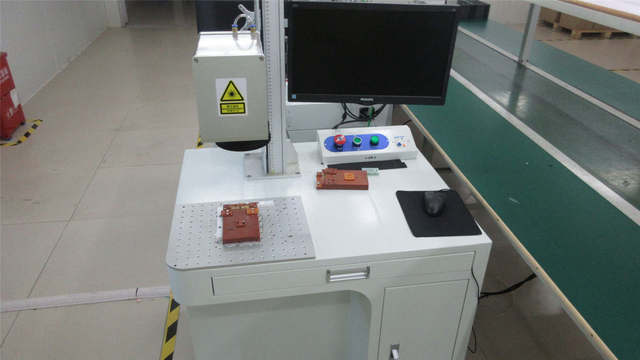
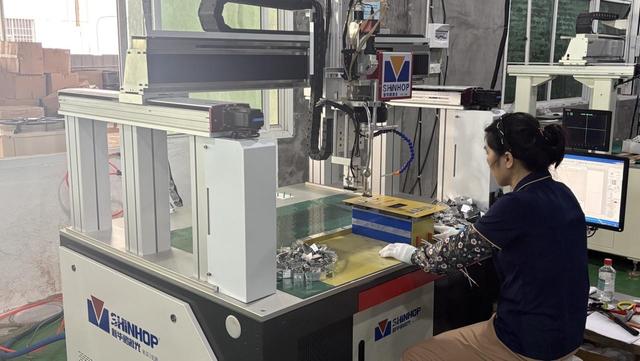
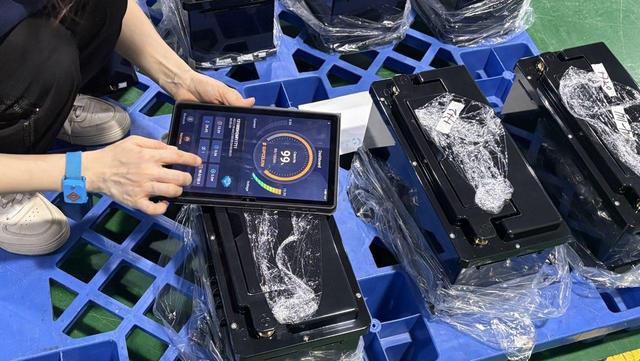
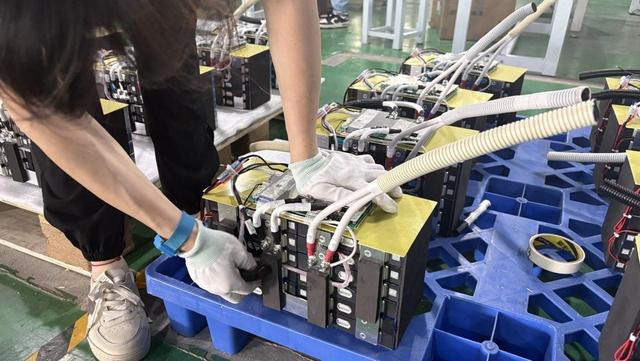
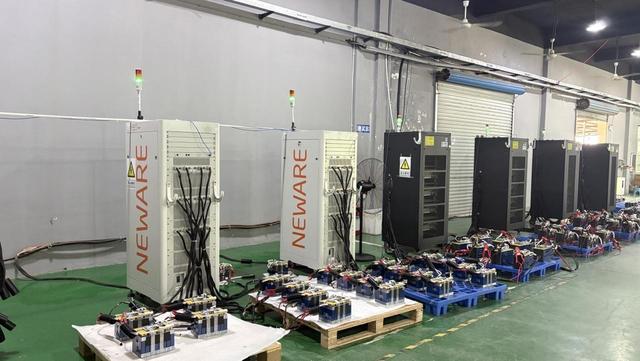
Automated grading processes sort for uniform internal resistance, voltage deviation, and capacity, maximizing overall battery pack longevity.
Standardized communication protocols, over-current limits, passive balancing, thermal shutoffs, and deep discharge lockouts protect system runtime.
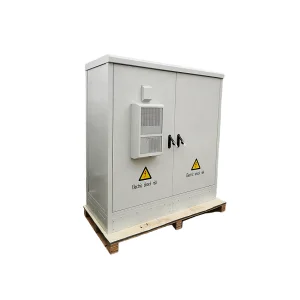
Tailored mechanical designs adapt easily to customized telecom cabinet formats, bespoke connection terminals, and localized regulatory rules.
Enterprise procurement teams, network managers, and telecom integrators face distinct challenges when selecting a battery exporter. We design products and services directly to address these operational needs:
The telecom energy sector is shifting from passive backup units to active smart assets. GAF Energy's R&D team focuses on three key future technologies:
These technology roadmaps ensure that when telecom operations scale to 6G, GAF Energy systems will be fully compatible with dynamic grid interactions and virtual power plant (VPP) networks.
Answers to common technical, design, and regulatory questions from telecom systems engineers.
LiFePO4 (Lithium Iron Phosphate) offers superior thermal stability, safety, and cycle life (5,000+ cycles) compared to NMC (Nickel Manganese Cobalt) chemistries, which are more susceptible to thermal runaway. Safety is paramount for remote telecom base stations, making LiFePO4 the preferred choice.
A Smart BMS monitors individual cell voltages and routes excess current from higher-voltage cells to lower-voltage ones (passive or active balancing). This ensures consistent capacity across the entire pack, preventing localized overcharging and premature battery module degradation.
Yes. Standard LiFePO4 systems operate down to -20°C, though charging speeds are regulated to prevent lithium plating. For extreme locations, GAF Energy installs internal heating elements within the modules, allowing reliable charging and discharging in climates down to -30°C.
High-capacity lithium batteries must hold UN38.3 certification, which includes impact, thermal, external short circuit, vibration, and overcharge testing. Under marine/air transport rules, MSDS and test reports must accompany all shipments.
Designed for easy integration with standard 19-inch cabinets and central UPS infrastructures.
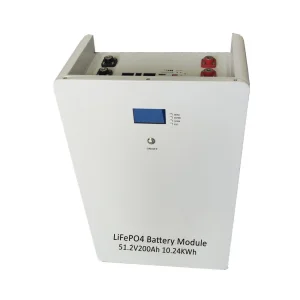
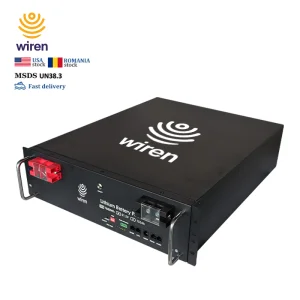
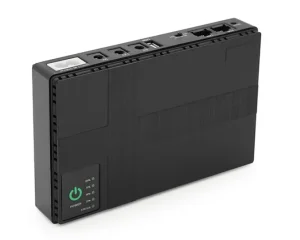
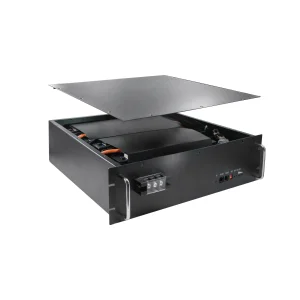
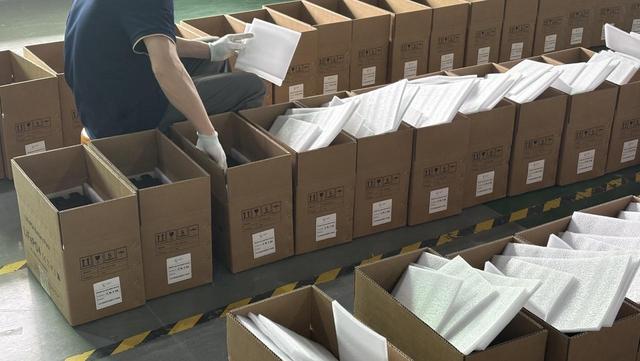
A look inside Shenzhen GAF Energy's modern assembly workshops, validation labs, and aging rooms.