 GAF Energy
GAF Energy
GAF Energy
Engineered to meet local transit demands, logistics operations, and climate challenges across Latin America.
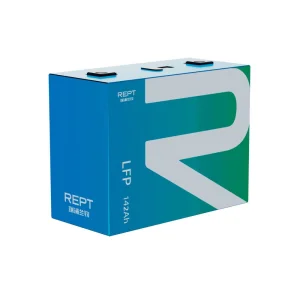
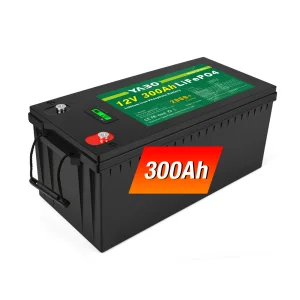
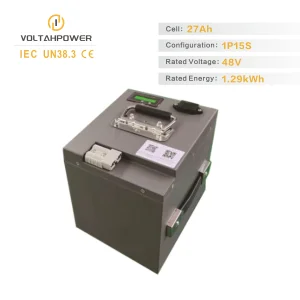
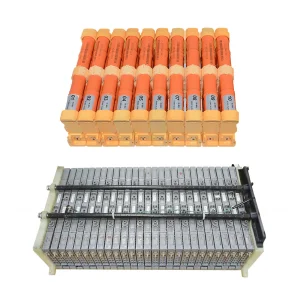
A deep analysis of South America's largest economy and its strategic pivot towards green transportation logistics.
The Brazilian electric vehicle (EV) sector is undergoing a profound structural shift. Driven by federal environmental initiatives like Programa Mover (Mobilidade Verde e Inovação) and strict municipal mandates aimed at reducing urban emission thresholds—such as São Paulo's municipal public transit law targeting the electrification of over 14,000 buses—the demand for reliable, high-capacity, and thermally stable battery cells has surged exponentially. For international procurement managers, fleet operators, and industrial system integrators, finding a reliable electric vehicle batteries exporter serving the Brazil market is key to maintaining competitiveness and operational uptime.
Unlike North American or European markets where passenger EVs dominate, Brazil’s electrification path is uniquely centered around public transit infrastructure, commercial fleets, and light electric vehicles (LEVs) for last-mile logistics. E-commerce logistics giants and postal services are rapidly retrofitting their fleets with high-capacity lithium iron phosphate (LiFePO4) battery packs. The high ambient temperatures of Brazil's tropical zones necessitate battery chemistry with superior thermal runaway resilience, making LiFePO4 cells the gold standard for long-term safety, lifespan economy, and sustainability.
Why LFP is superior to NMC for Brazil's logistics fleets and public transit infrastructure.
Operating electric vehicles in Brazil requires an understanding of local thermodynamic conditions. The combination of intense heat cycles in regions like Rio de Janeiro or the Northeast, combined with heavy payload requirements in mountainous urban geographies (e.g., Belo Horizonte), means standard battery configurations risk rapid degradation. Sourcing the right battery requires a balance of energy density, active cooling management, and structural safety.
| Battery Chemistry | Thermal Runaway Point | Typical Cycle Life | Best Application Case in Brazil | Safety & Reliability Profile |
|---|---|---|---|---|
| Lithium Iron Phosphate (LiFePO4) | ~270°C to 300°C | 3500 - 6000 cycles | Electric Buses, Cargo Tricycles, Urban Delivery Fleets | Ultra-safe; virtually zero risk of fire; extremely stable in tropical climates. |
| Nickel Manganese Cobalt (NMC) | ~210°C | 1500 - 2500 cycles | Long-range Passenger EVs, Hybrid Commuters | High energy density; requires active liquid cooling systems in high ambient heat. |
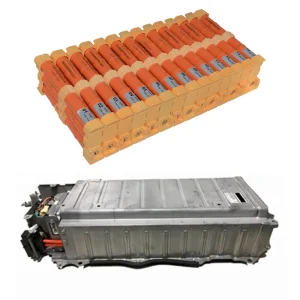
| Nickel-Metal Hydride (NiMH) | Inherently stable | 800 - 1500 cycles | Replacement modules for Hybrid Passenger Fleets (Toyota Prius) | Excellent drop-in reliability; low maintenance for aging hybrid fleets. |
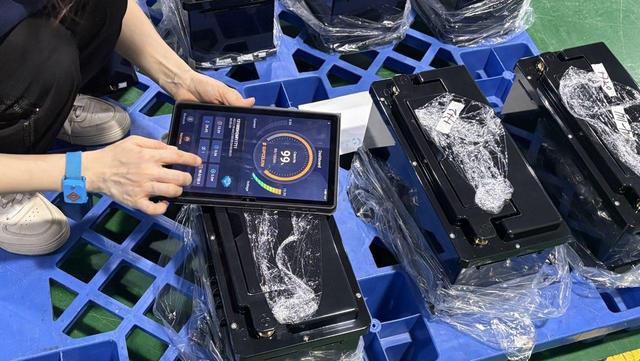
Cell Balancers and Smart Telemetry: Every battery exported by Shenzhen GAF Energy to Brazil features a highly intelligent Battery Management System (BMS). Our systems monitor state-of-health (SoH), cell temperatures, and charge balancing protocols, preventing premature cell failure and ensuring the maximum possible return on investment (ROI) for fleet operators.
Delivering advanced energy solutions tailored to global requirements and local compliance frameworks.
Shenzhen GAF Energy Co., Ltd. is a professional Lithium Battery Manufacturer | LiFePO4, Energy Storage & Renewable Power Solutions dedicated to delivering advanced energy storage technologies for residential, commercial, industrial, and renewable energy applications worldwide. With a focus on innovation, safety, and sustainability, the company provides high-performance lithium battery solutions that support the growing global demand for clean and reliable energy.
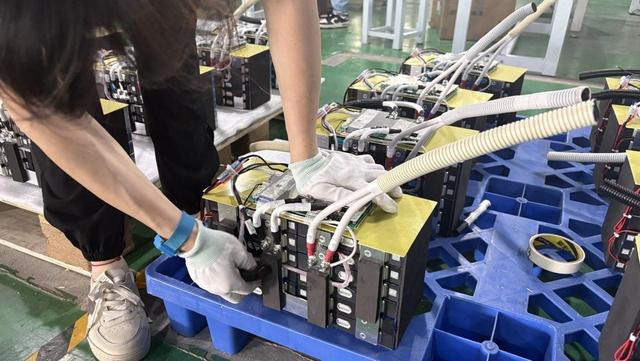
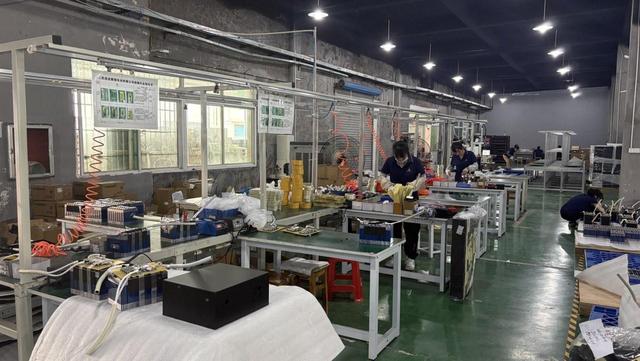
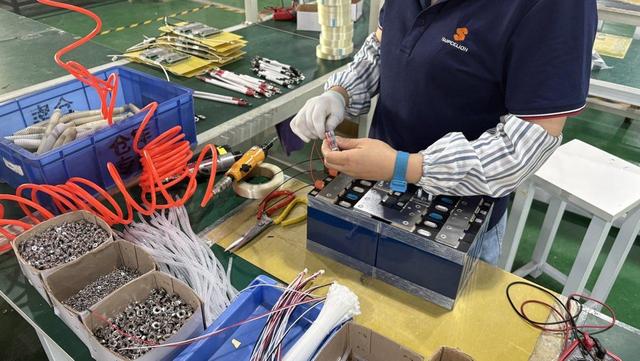
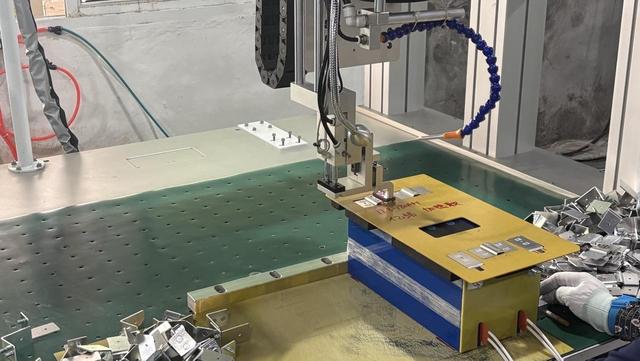
Headquartered in Shenzhen, China, GAF Energy operates modern manufacturing facilities equipped with advanced production equipment, automated assembly lines, and comprehensive quality management systems. The company specializes in the research, development, and production of LiFePO4 batteries, lithium-ion battery systems, residential energy storage batteries, commercial and industrial energy storage systems (ESS), solar storage batteries, rack-mounted battery systems, high-voltage battery solutions, and customized battery packs.
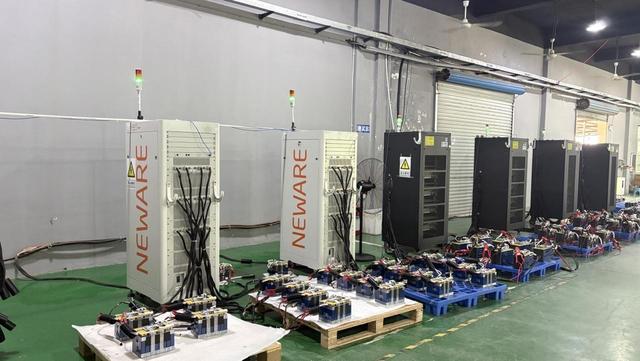
GAF Energy places strong emphasis on product quality and technological innovation. By utilizing premium battery cells, intelligent battery management systems (BMS), and rigorous testing procedures, the company ensures excellent safety, long cycle life, stable performance, and high energy efficiency. Every battery system is designed to meet the demanding requirements of renewable energy integration, backup power applications, and modern energy management solutions.
In addition to standard product offerings, GAF Energy provides comprehensive OEM and ODM services for distributors, energy solution providers, solar installers, system integrators, and private-label brands. From product design and engineering to manufacturing and technical support, the company delivers flexible solutions tailored to specific project requirements.
Serving customers across North America, Europe, Australia, Southeast Asia, Africa, and the Middle East, Shenzhen GAF Energy Co., Ltd. has established long-term partnerships based on product reliability, competitive pricing, and responsive customer service. Committed to accelerating the transition toward sustainable energy, the company continues to invest in advanced battery technologies and renewable energy innovations, helping customers achieve greater energy independence and long-term environmental benefits.
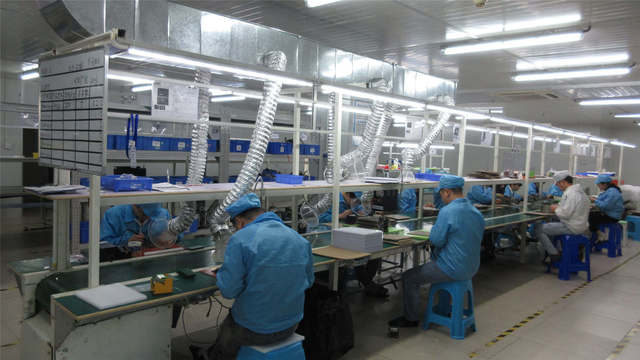
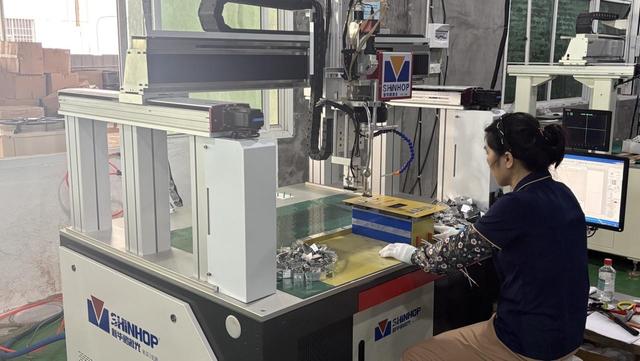
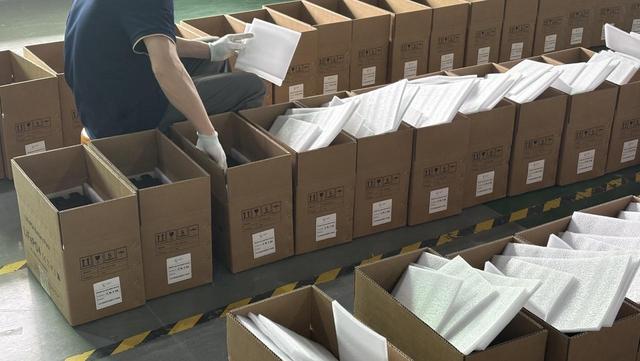
Automated LiFePO4 Battery Assembly & Laser Welding Lines
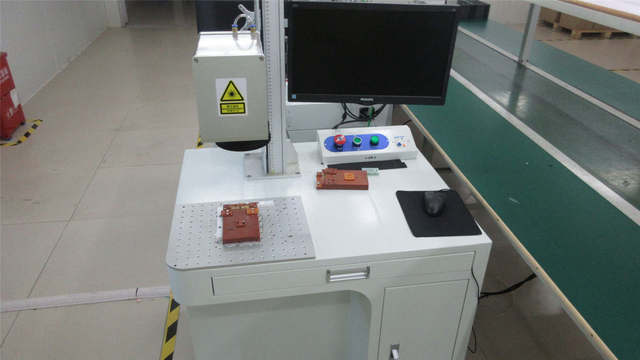
Navigating certifications and import frameworks to guarantee smooth customs clearance at major ports.
Brazil requires certification from INMETRO for vehicle battery elements. Additionally, internal telemetry modems used in the BMS must align with ANATEL regulatory frameworks. We provide complete documentation support for customs processing.
Under the National Solid Waste Policy (PNRS - Law 12.305/2010), electric car battery importers must comply with reverse logistics mechanisms. Our modular design simplifies dismantling, enabling end-of-life recycling and reclamation.
Lithium batteries are classified as Class 9 Dangerous Goods. We manage UN38.3 test summaries, MSDS documentation, and export packaging specifications to secure safe sea transit from Shenzhen to the Port of Santos or Paranaguá.
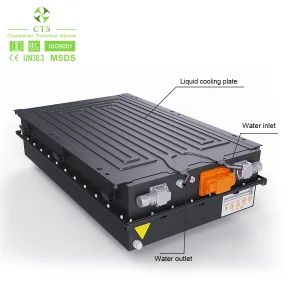
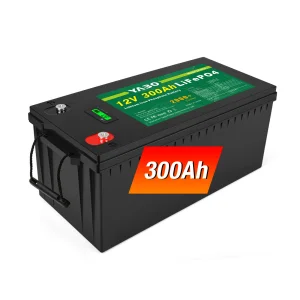
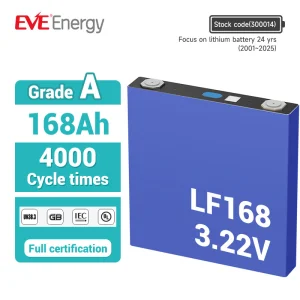
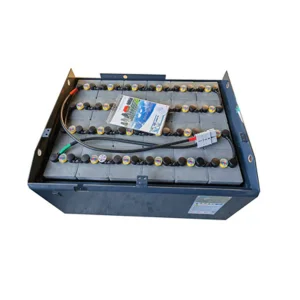
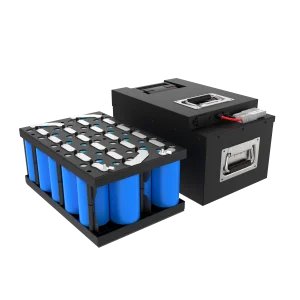
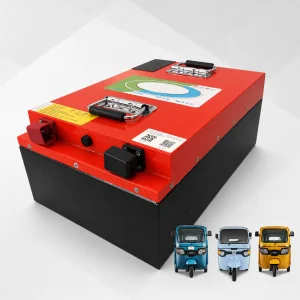
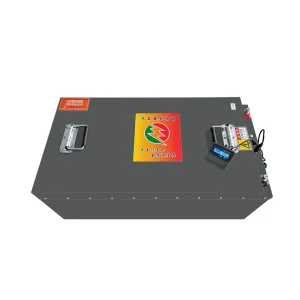
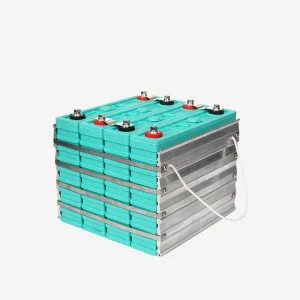
High-performance replacements, custom assemblies, and heavy-duty industrial packs.
Essential compliance, logistical, and technical insights for importers, engineers, and supply chain managers.