GAF Energy
GAF Energy
GAF Energy
Engineered for high cycle life, extreme safety compliance, and robust thermal performance. Explore our primary exports.
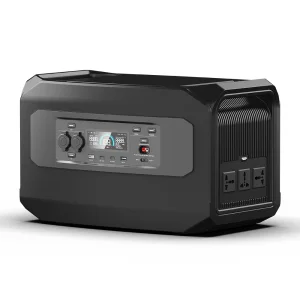

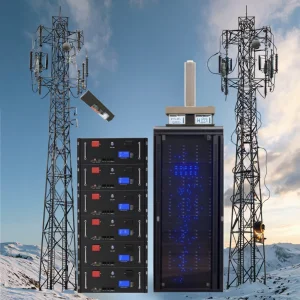
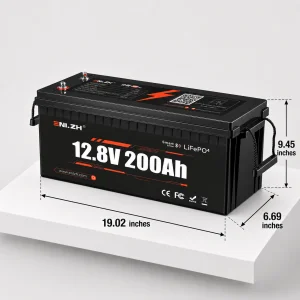
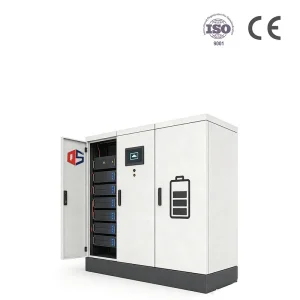
Understanding the Chemistry, Grid Demands, and Manufacturer landscapes in modern Battery Energy Storage Systems (BESS)
In the rapidly changing global energy transition landscape, Lithium Iron Phosphate (LiFePO4) chemistry has established itself as the undisputed cornerstone for stationary storage and specialized mobility. Offering an unparalleled mix of safety, chemical durability, and thermodynamic stability, LFP batteries avoid the thermal runaway vulnerabilities associated with nickel-cobalt-manganese (NCM) chemistries. For global enterprise procurers, engineering firms, and utility operators, finding direct access to leading Chinese exporters is no longer just about seeking competitive pricing—it has evolved into a strategic priority to lock down stable supply chains, robust Battery Management Systems (BMS), and comprehensive international compliance.
Unlike consumer electronics, industrial battery storage systems represent multi-decade investments. This demands a rigorous assessment of factory capability, from raw material sourcing (such as high-density lithium iron phosphate precursor materials) to automated cell assembly lines and testing methodologies. In China, which commands over 75% of global cathode active material production and nearly 85% of global cell manufacturing capacity, manufacturers have evolved from simple pack-assembly workshops into fully integrated, AI-driven intelligent gigafactories. Choosing the correct partner requires separating marketing claims from actual verifiable industrial capabilities.
A Professional Lithium Battery Manufacturer | LiFePO4, Energy Storage & Renewable Power Solutions
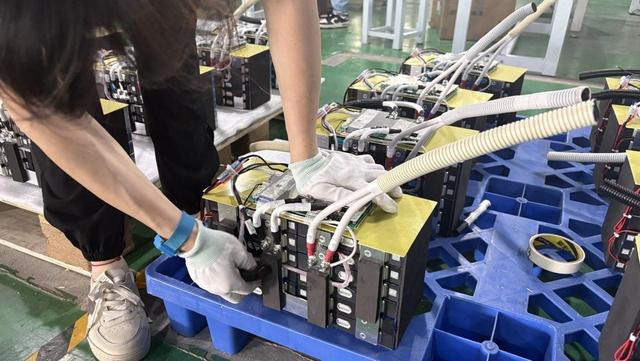
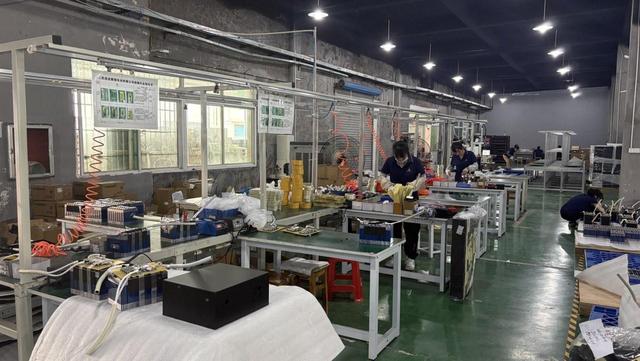
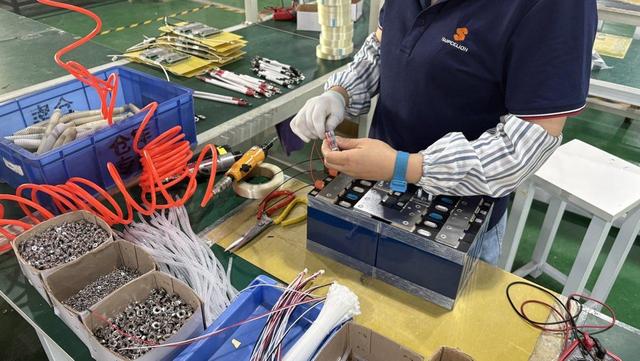
Headquartered in Shenzhen, China, GAF Energy operates modern manufacturing facilities equipped with advanced production equipment, automated assembly lines, and comprehensive quality management systems. The company specializes in the research, development, and production of LiFePO4 batteries, lithium-ion battery systems, residential energy storage batteries, commercial and industrial energy storage systems (ESS), solar storage batteries, rack-mounted battery systems, high-voltage battery solutions, and customized battery packs.
GAF Energy places strong emphasis on product quality and technological innovation. By utilizing premium battery cells, intelligent battery management systems (BMS), and rigorous testing procedures, the company ensures excellent safety, long cycle life, stable performance, and high energy efficiency. Every battery system is designed to meet the demanding requirements of renewable energy integration, backup power applications, and modern energy management solutions.
In addition to standard product offerings, GAF Energy provides comprehensive OEM and ODM services for distributors, energy solution providers, solar installers, system integrators, and private-label brands. From product design and engineering to manufacturing and technical support, the company delivers flexible solutions tailored to specific project requirements. Serving customers across North America, Europe, Australia, Southeast Asia, Africa, and the Middle East, GAF Energy has established long-term partnerships.
Why Tier-1 global energy integrators rely on China's massive lithium ecosystem for project scale
From raw lithium ore extraction and chemical refining down to precursors and cathode active materials, China commands more than 70% of the extraction and conversion capacity. This vertical integration buffers manufacturers against sudden global market price volatility and ensures consistent chemical purity for lithium iron phosphate (LiFePO4) cell manufacturing.
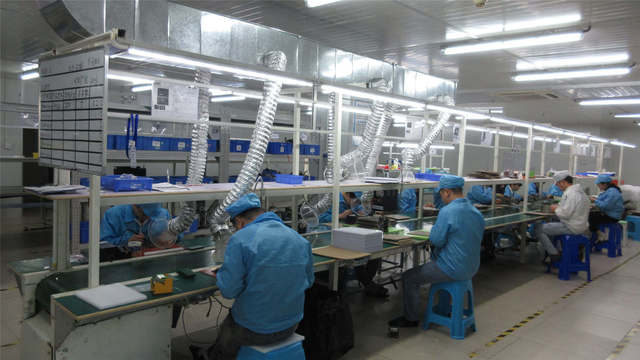
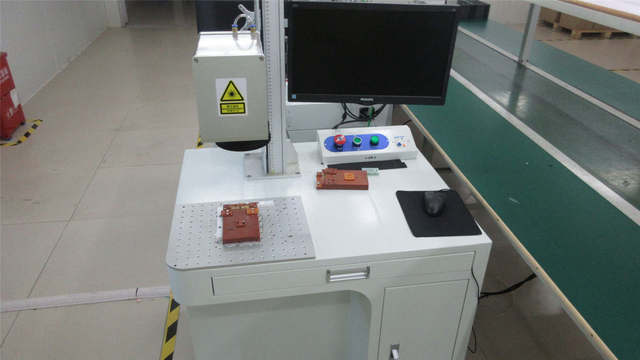
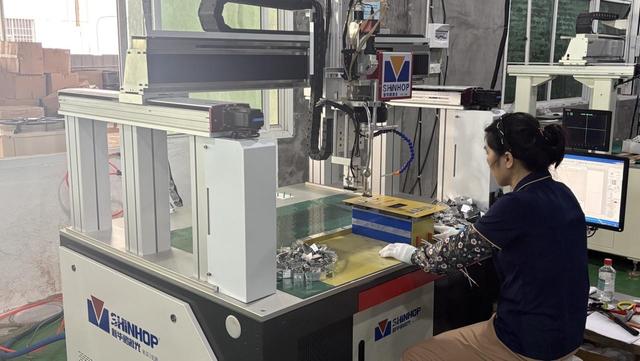
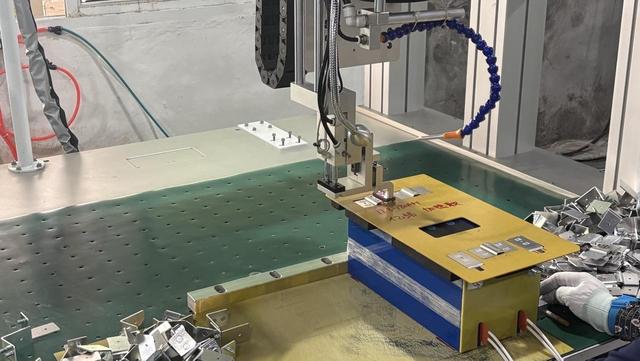
Modern Chinese factories utilize highly automated manufacturing execution systems (MES) alongside high-speed laser welding, automatic stacking, and X-ray non-destructive testing lines. This scale drives per-kilowatt-hour production costs down to structural margins that are impossible to replicate in emerging industrial zones, while maintaining strict repeatability tolerances.
The geographic concentration of component suppliers in manufacturing hubs like Shenzhen, Jiangsu, and Sichuan facilitates close R&D collaboration. Power electronics designers, BMS software engineers, structural enclosure fabricators, and cell manufacturers operate in tight proximity, compressing the time to market for customized new-energy products.
Understanding the hardware engineering that delivers over 8,000 cycles with active safety architectures
LiFePO4 features a three-dimensional olivine crystal structure that offers strong P-O covalent bonds. Unlike the layer structure of cobalt-based chemistries, the olivine lattice remains highly stable during charge-discharge cycles. Even under structural puncture or extreme overload, it resists oxygen release, eliminating the chemical trigger for sudden thermal runaway.
Modern battery packs rely on custom microcontrollers running real-time operating systems to manage state of charge (SoC) and state of health (SoH). These systems support industrial interfaces like CANbus, RS485, and Modbus. They monitor individual cell voltages, balance states, and handle multi-node thermal detection to isolate localized degradation.
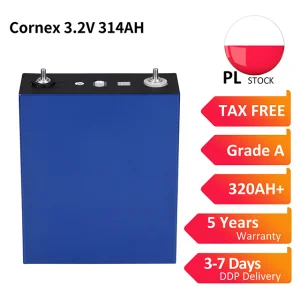
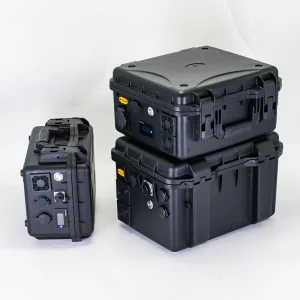
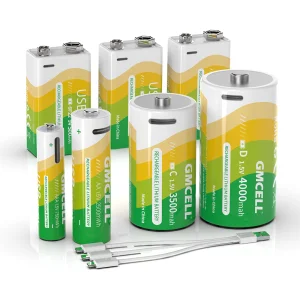
Prismatic cells (like the Cornex 314Ah format) maximize volumetric efficiency for commercial and utility installations by eliminating air gaps. For smaller, highly dynamic form factors like portable power stations or industrial UPS units, cylindrical cells offer excellent mechanical stability and efficient heat dissipation.
A structured framework for evaluating and auditing lithium iron phosphate manufacturers
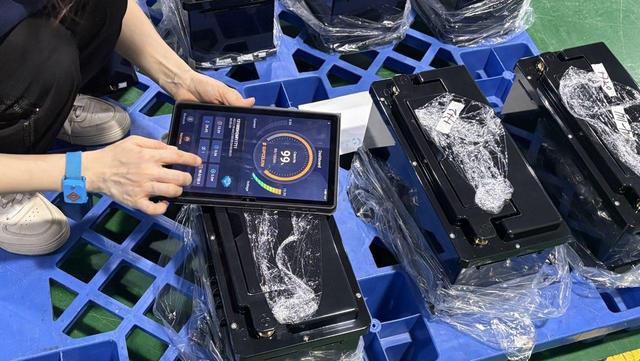
Ensure that cells are Grade A and backed by raw manufacturer testing logs. Every cell must display a clean, untampered QR code containing initial capacity, internal resistance, and voltage grading metrics recorded during formulation. This traceability prevents the use of downgraded B-grade cells.
Confirm structural materials meet application requirements, such as cold-rolled steel or light alloys with marine-grade coatings. Verify certified IP ratings (e.g., IP20 for dry telecom racks, IP54 for outdoor commercial enclosures, IP65 for harsh-environment modules) to prevent environmental ingress.
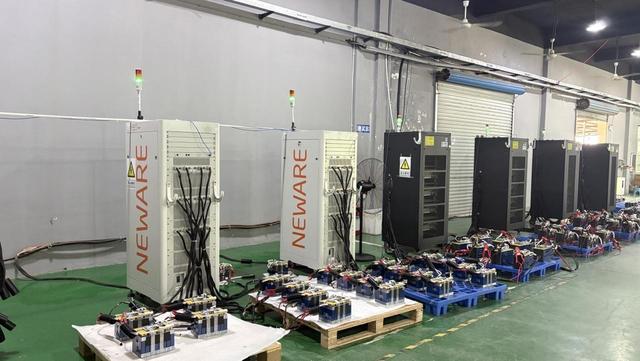
Ensure the factory holds ISO9001 and ISO14001 certifications. Confirm their QA testing includes high-temperature aging chambers, vibration platforms, short-circuit simulation jigs, and environmental chambers to guarantee the mechanical integrity of final product runs.
Managing regulatory frameworks and dangerous goods transportation across global ports
Importing lithium batteries requires managing complex regulatory landscapes, and experienced exporters like GAF Energy help simplify these compliance requirements. All products must conform to international transport regulations, which classify lithium batteries under Class 9 Dangerous Goods. The foundational requirements for international shipping include:
Every cell and battery pack configuration must possess a valid UN38.3 test report and Material Safety Data Sheet (MSDS). This report confirms compliance under mechanical shock, altitude simulation, thermal cycling, external short circuit, and impact testing conditions.
For North America, certification to UL1973 (for stationary applications) and UL9540A (thermal runaway propagation testing) is critical. For the European market, CE, RoHS, and IEC 62619 compliance are required. These certifications ensure the systems are accepted by grid operators and local jurisdictions.
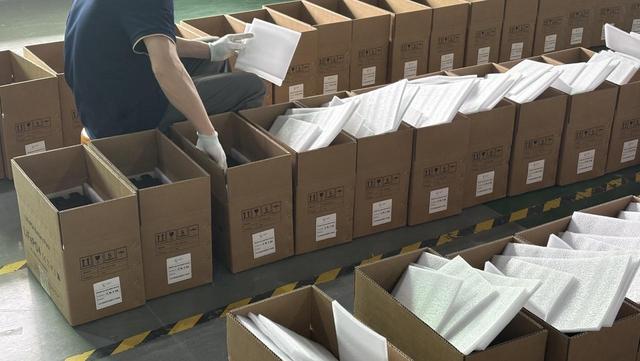
Reliable exporters offer localized custom clearance support and logistics channels. By utilizing sea freight with specialized Class 9 container packaging, regional distribution hubs, and door-to-door (DDP) options, they help minimize customs delays at international ports.
How specialized LiFePO4 batteries are deployed across key global industries
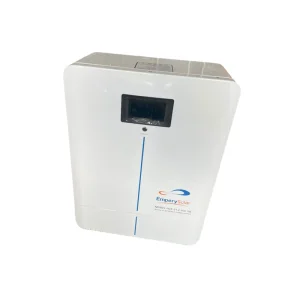
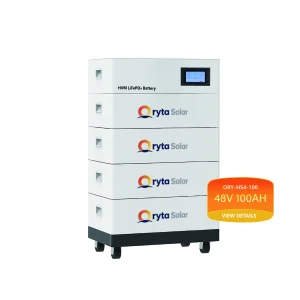
Home Energy Storage Systems (HESS), including stackable and wall-mounted battery configurations, capture solar generation during peak hours. Working alongside smart hybrid inverters, they provide backup power and enable peak-shaving strategies to lower residential utility costs.
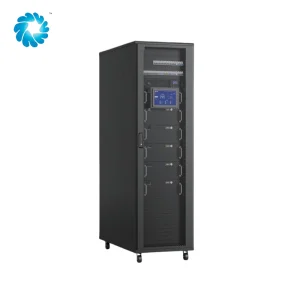
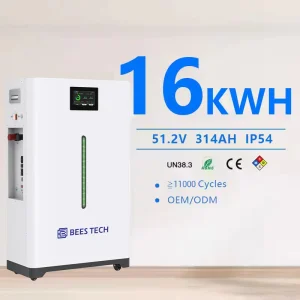
Commercial and Industrial (C&I) setups use high-voltage cabinets to manage peaks, optimize grid load distribution, and provide reliable standby power for manufacturing facilities, helping protect sensitive operations from grid fluctuations.
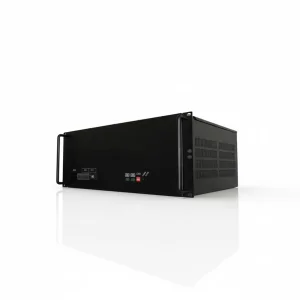
Rack-mounted 48V 100Ah/150Ah modules (like the standard 3U/4U formats) are key for telecommunication towers. Installed alongside centralized battery management software, they ensure continuous network uptime during primary grid power outages.
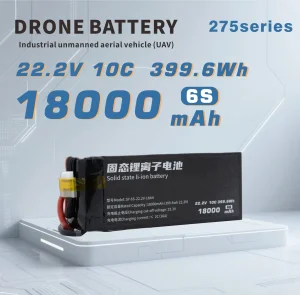
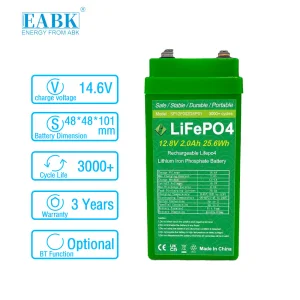
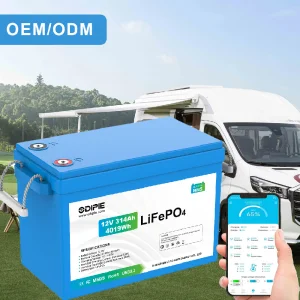
This category includes heavy-duty off-road golf carts, RV travel trailers, and drone packs. The vibration-resistant structures and stable voltage curves of these batteries provide a robust replacement for traditional SLA battery configurations.
The technology path driving energy densities and system intelligence forward
The industry is moving from standard 280Ah cells toward next-generation 314Ah (and larger) prismatic form factors. This transition increases energy density without modifying the standard module footprint, lowering the overall cost per kilowatt-hour at the system level.
Next-generation BMS designs utilize IoT and cloud-based diagnostics to analyze performance trends. By tracking cell degradation patterns in real time, these systems can forecast remaining life and identify potential faults before they affect operations.
Leading manufacturers are focusing on circular lifecycles. This includes designing batteries for easier disassembly, recycling critical materials, and sourcing components from lower-carbon supply chains to meet stricter global carbon-accounting standards.
Answers to common questions from B2B buyers, engineering leads, and logistics managers
Explore our extensive range of battery modules, commercial energy storage systems, and specialized cells.