GAF Energy GAF Energy

Top 10 Commercial Energy Storage Factories & Manufacturer Ecosystems

The Definitive Industry Whitepaper on Global Procurement, Strategic Factory Benchmarks, and Advanced LiFePO4 Battery Integration Solutions.

Featured Industrial & Commercial Battery Engineering Solutions

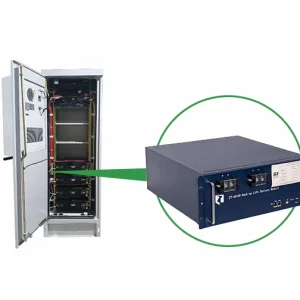
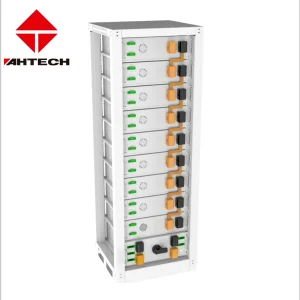
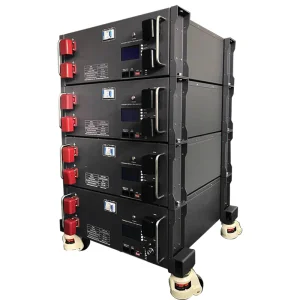
Lithium LiFePO4 Rack Mount Cabinet Battery

10kw 20 kwh 30 kw 35kwh 40kw 50kwh Lithium LiFePO4 Rack Mount Cabinet Battery for Off-Grid Solar Energy System

View Technical Specifications
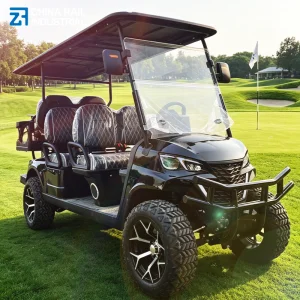
6-seat off-road electric golf cart

Best 6-seat Off-road Electric Golf Carts, High-Specification Batteries, Road-legal, Suitable for Safari and Resort Excursions.

View Technical Specifications
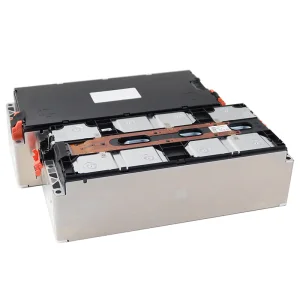
Electric car battery power modules NMC

4s1p 6s1p 12s1p 150ah 174ah 100ah 139ah 114ah 130ah 37ah Electric Car Ev Battery Power Modules Ev Nmc Lithium Ion Battery Pack

View Technical Specifications
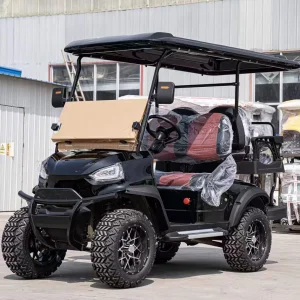
Lifted 4 Passenger Electric Golf Cart

2025 Cheap Price Club Car Lifted 4 Passenger Electric Golf Cart With 4 Seats Hunting Golf Cart

View Technical Specifications
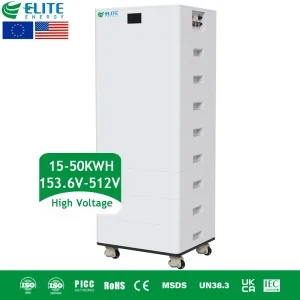
Stackable High Voltage Home Solar Energy Storage

15kwh 20kwh 30kwh 40kwh 50kwh Stackable High Voltage Home Solar Energy Storage System 48V 100ah LiFePO4 Lithium Ion Battery Pack

View Technical Specifications
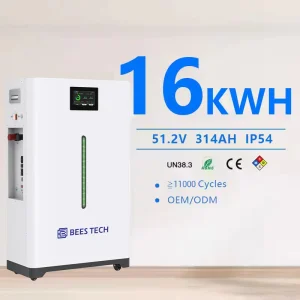
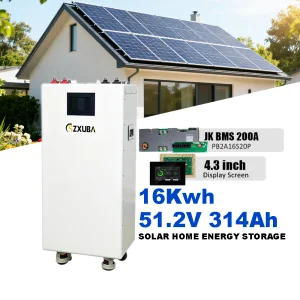
16kwh lifepo4 battery solar energy storage

11000 Cycles 10-year Warranty 16kw Lifepo4 Battery 16kwh Lithium Ion Solar Battery 51.2v 314AH Lifepo4 300ah Home Energy Storage

View Technical Specifications
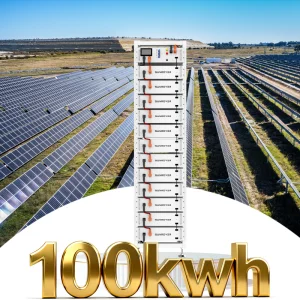
High Voltage Energy Storage Battery 100kwh

High Voltage Energy Storage Battery 256-512V Lithium Battery 100ah 200ah LiFePO4 Batteries 10 Modules 100kwh Battery Pack for Commercial Usage

View Technical Specifications
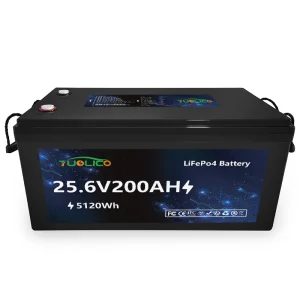
Lifepo4 12.8v 100ah battery pack

7ah Starter Batteries Plastic Lfpo4 12.8v 100ah 50ah Agv Ion Ups Pack Phosphate Electric Lifepo4 150ah Car Lithium Battery Ups

View Technical Specifications

Commercial Energy Storage Landscape: Market Architecture & Plant Criteria

As the global economy accelerates its transition toward green energy integration, the commercial and industrial (C&I) sectors face double pressure from grid instability and soaring peak-hour utility tariffs. Selecting a competent, high-caliber partner among the top 10 commercial energy storage factories has evolved from a simple purchasing choice into a long-term strategic decision. Modern battery storage systems are highly complex, demanding deep engineering expertise in cell chemistry, multi-tier Battery Management Systems (BMS), structural thermal runaways, and international compliance regulations.

Key Technical Paradigm: Beyond the Standard Datasheet

A true commercial energy storage system (ESS) is not merely a scaled-up residential battery. C&I applications demand continuous heavy cycling, high thermal management efficiency, and advanced system safety architectures. Tier 1 factories evaluate cell health at the sub-millisecond level, employing active balancing systems and high-voltage grid topologies to guarantee safety over decades of operation.

80%+
Global LFP Supply Chain Control
11,000+
Industrial Cycle Life Capability
1500V
Advanced High-Voltage Architectures
98.5%
Typical System RTE Potential

Technical Trends Shaping Next-Gen Commercial ESS

The modern B2B energy landscape is marked by critical evolutions:

  • Shift from Air to Liquid Cooling: Liquid-cooled ESS cabinets are rapidly replacing traditional air-cooled units due to superior temperature uniformity (maintaining ΔT < 2°C across cells), which preserves cell life and reduces auxiliary power consumption by up to 30%.
  • Transition to 314Ah Cells: Top manufacturers are transiting from the industry-standard 280Ah cells to high-density 306Ah and 314Ah lithium iron phosphate (LiFePO4) cell models, increasing volumetric energy density and simplifying rack assembly.
  • BMS and EMS Virtualization: Intelligent Energy Management Systems (EMS) now leverage machine learning models to predict peak load requirements, optimizing dynamic arbitrage operations and managing safety parameters in real-time.

China's Competitive Edge in Commercial Energy Storage Production

China is home to the most complete lithium battery supply chain in the world, with Shenzhen at its heart. The concentration of cell raw materials, automated assembly line engineering, structural thermal research, and smart electronics design gives Chinese factories unparalleled cost and technical advantages.

1. Vertical Integration and Speed-to-Market

Unlike Western systems integrators that source cells, enclosures, and BMS units from separate continents, Chinese commercial storage plants house these processes in adjacent clusters. The supply chain loop for crucial battery components—such as lithium metal refining, copper foils, electrolyte solvents, active cathode materials, and silicon-based thermal pads—is measured in hours rather than weeks. This proximity reduces engineering cycles, allowing manufacturers to prototype, test, and ship custom configurations in record time.

2. Advanced Automated Manufacturing & Rigorous Quality Controls

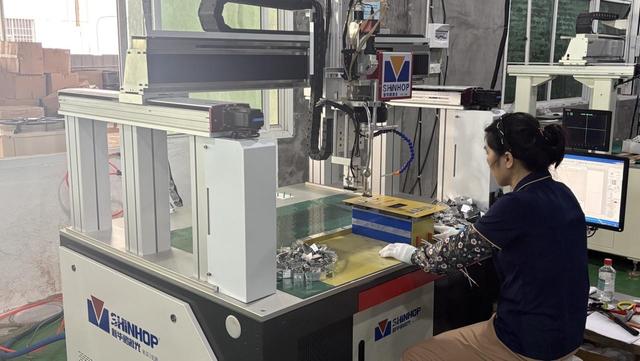
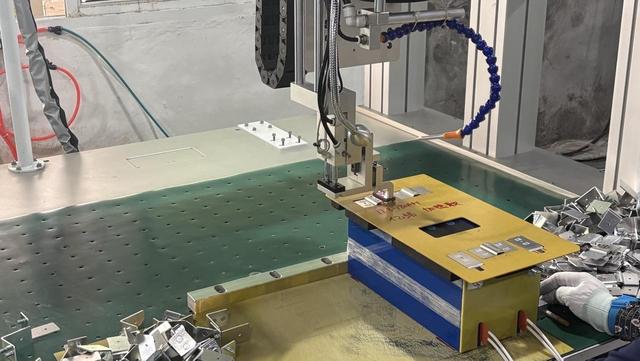
Leading factories in Shenzhen employ fully automated cell-matching systems, robotic laser welding arrays, and high-precision inspection cameras to minimize human error. During module assembly, cells undergo multi-stage grading (OVC, IR, and capacity sorting) to ensure perfect capacity matching inside the packs, which directly translates to extended cycle life and reliable system performance in commercial projects.

Regulatory Compliance & Safety Accreditations

Top Chinese factories ensure that every line conforms to international benchmarks, obtaining certifications such as UL 1973, UL 9540A, IEC 62619, CE, UN 38.3, and ISO 9001. System integrators and project developers globally rely on these certifications to guarantee fast installation and hassle-free permitting with local utility authorities.

Engineered Solutions & Localized Commercial Use Cases

The adaptability of commercial lithium battery systems allows them to address diverse operational problems across different industries and geographical terrains. From high-voltage industrial setups to small scale outdoor off-grid cabinets, these systems ensure uninterruptible power and substantial financial gains.

Industrial Peak Shaving and Load Management

Manufacturing facilities with heavy machinery experience high demand charges during grid peak periods. High-voltage energy storage systems (such as 100kWh–500kWh battery arrays) charge during off-peak times and discharge during maximum demand intervals, dropping peak load curves and reducing monthly utility costs significantly.

EV Fleet Fast-Charging Buffer Stations

As logistics operations transition to electric vehicles, standard commercial grids are often unable to handle the surge currents required by multiple 150kW DC fast chargers. High-voltage battery systems act as power buffers, storing energy slowly from the grid or solar systems and discharging rapidly into vehicles, avoiding expensive substation upgrades.

Agricultural Microgrids & Off-Grid Facilities

For remote resorts, safari sites, or agricultural facilities far from stable grid infrastructure, integrated solar and energy storage systems represent the only viable path to constant electricity. Stackable, high-capacity LiFePO4 rack battery cabinets provide reliable, off-grid power, ensuring long-term resilience even in demanding climates.

Spotlight: Shenzhen GAF Energy Co., Ltd.

Shenzhen GAF Energy Co., Ltd. is a professional Lithium Battery Manufacturer | LiFePO4, Energy Storage & Renewable Power Solutions dedicated to delivering advanced energy storage technologies for residential, commercial, industrial, and renewable energy applications worldwide. With a focus on innovation, safety, and sustainability, the company provides high-performance lithium battery solutions that support the growing global demand for clean and reliable energy.

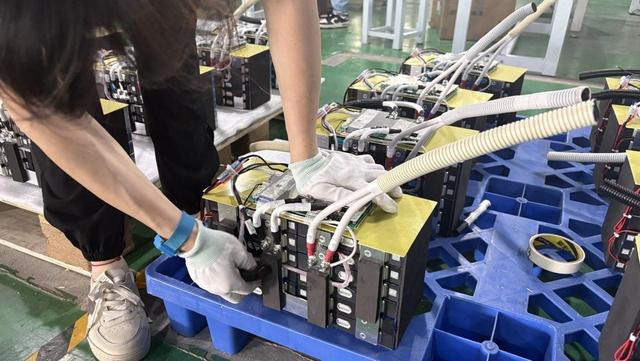
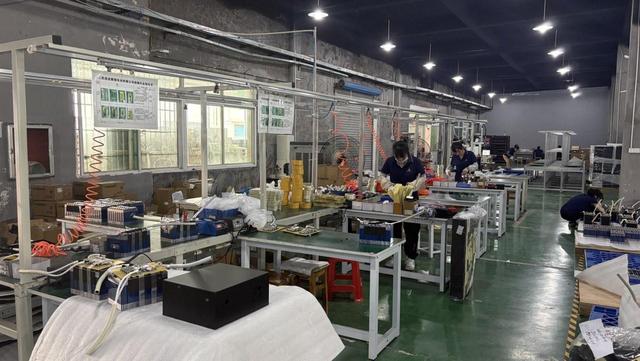
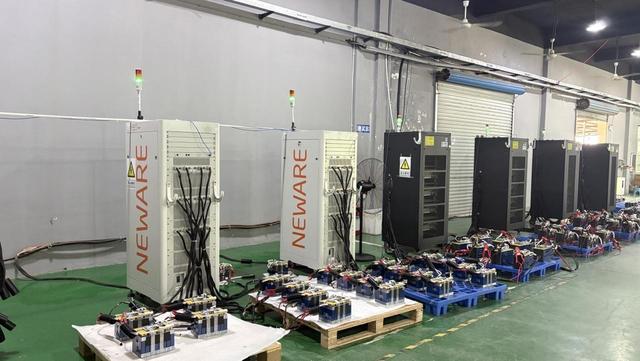
Headquartered in Shenzhen, China, GAF Energy operates modern manufacturing facilities equipped with advanced production equipment, automated assembly lines, and comprehensive quality management systems. The company specializes in the research, development, and production of LiFePO4 batteries, lithium-ion battery systems, residential energy storage batteries, commercial and industrial energy storage systems (ESS), solar storage batteries, rack-mounted battery systems, high-voltage battery solutions, and customized battery packs.

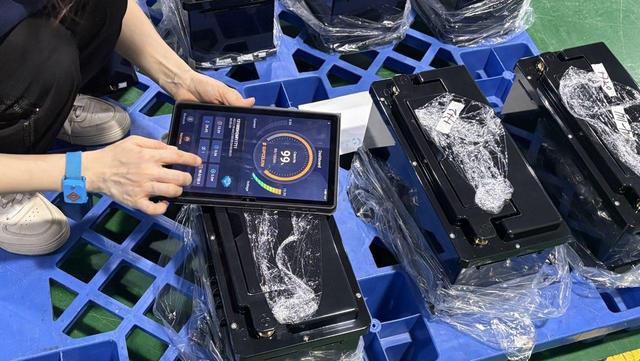
GAF Energy places strong emphasis on product quality and technological innovation. By utilizing premium battery cells, intelligent battery management systems (BMS), and rigorous testing procedures, the company ensures excellent safety, long cycle life, stable performance, and high energy efficiency. Every battery system is designed to meet the demanding requirements of renewable energy integration, backup power applications, and modern energy management solutions.

In addition to standard product offerings, GAF Energy provides comprehensive OEM and ODM services for distributors, energy solution providers, solar installers, system integrators, and private-label brands. From product design and engineering to manufacturing and technical support, the company delivers flexible solutions tailored to specific project requirements.

Serving customers across North America, Europe, Australia, Southeast Asia, Africa, and the Middle East, Shenzhen GAF Energy Co., Ltd. has established long-term partnerships based on product reliability, competitive pricing, and responsive customer service. Committed to accelerating the transition toward sustainable energy, the company continues to invest in advanced battery technologies and renewable energy innovations, helping customers achieve greater energy independence and long-term environmental benefits.
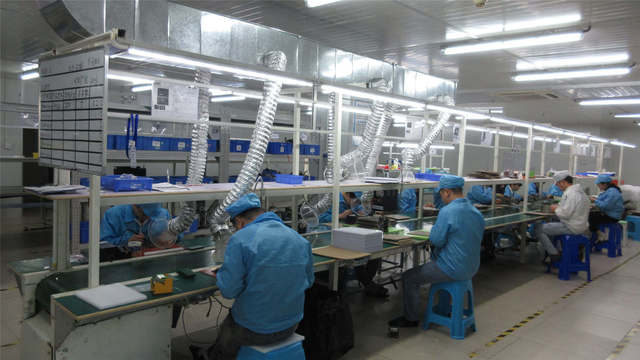
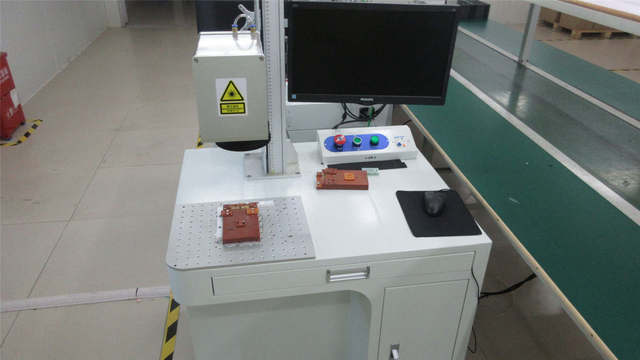
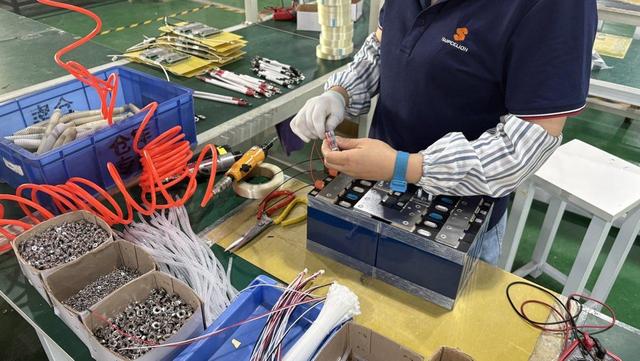
GAF Energy Production Lines & Quality Infrastructure

B2B Strategic Procurement Blueprint: Sourcing Commercial Energy Storage

For procurement officers, energy engineering companies, and developers, selecting an energy storage plant requires evaluating technical specifications, manufacturing standards, and compliance certifications. When sending out RFIs or evaluating factory potentials, use this blueprint as your benchmark:

1. Cell Lifecycle Analysis and Traceability

Ensure the manufacturer uses only A-grade cells with manufacturer test reports. Cell batches should have matching capacity, internal resistance, and voltage characteristics to prevent premature module failure. Avoid B-grade or recycled cells, which are prone to thermal imbalances and accelerated degradation.

2. Thermal Design Verification

Review the factory's structural designs. Liquid cooling systems must feature leak-detection loops and corrosion-resistant copper pipes, while forced-air cooling layouts must demonstrate uniform airspeed across all modules to eliminate localized heat zones.

3. Battery Management System (BMS) Topology

A reliable commercial storage system requires a 3-tier BMS architecture:

  • Local BMS (Slave Board): Monitors voltage and temperature for individual cells inside the modules.
  • Rack BMS (Master Board): Aggregates module parameters, manages safety contactors, and runs cell-balancing protocols.
  • System BMS (Central Controller): Interfaces with the power conversion systems (PCS), coordinates multi-rack safety loops, and runs system diagnostics.

4. Hazardous Materials Logistics and UN38.3

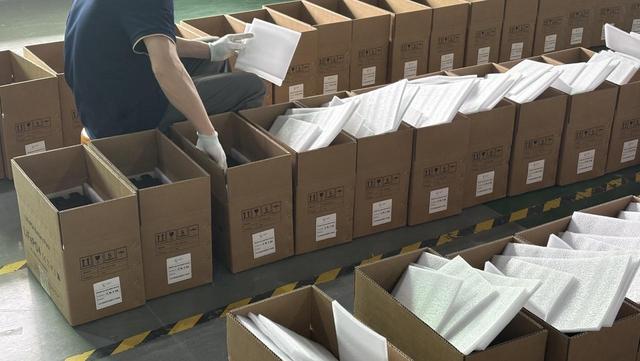
Lithium systems are classified as Class 9 Dangerous Goods. Ensure your factory provides robust wooden crates, full UN38.3 testing reports, and verified MSDS documentation to prevent custom delays and shipping issues.
Commercial Energy Storage FAQ & Technical Insights

Q1: What is the main safety difference between Residential and Commercial Energy Storage?
Commercial storage operates at much higher voltages (often up to 1000V–1500V DC) and capacities compared to residential systems (typically 48V–400V). As a result, commercial designs require advanced safety features, including active liquid cooling, multi-stage overcurrent protection, integrated aerosol fire extinguishers, and module-level gas monitoring (such as detecting carbon monoxide and hydrogen release) to prevent thermal runaway.
Q2: How does a factory ensure the life expectancy of LiFePO4 batteries exceeds 10,000 cycles?
Achieving over 10,000 cycles requires premium raw materials, strict temperature control (keeping cells below 35°C during high C-rate cycling), and active balancing BMS. Active balancing redistributes charge between cells rather than dissipating excess energy as heat, keeping the system operating within optimal safety windows over decades of use.
Q3: Why are high-voltage systems (256V to 512V+) preferred for commercial applications?
High-voltage systems reduce overall operating currents. Lower currents result in reduced I²R resistive heating losses within cables and interconnects, improving system Round-Trip Efficiency (RTE). In addition, high-voltage battery racks integrate more efficiently with commercial three-phase Power Conversion Systems (PCS) and grid inverters.
Q4: What certifications are mandatory for importing commercial energy storage to North America and Europe?
For North America, key certifications include UL 1973 (for battery packs), UL 9540 (for integrated systems), and UL 9540A (thermal runaway testing). For Europe, compliance with IEC 62619 (safety requirements), IEC 63056, CE, and RoHS directives is required. All markets require UN 38.3 test reports for maritime transport.
Q5: How does ambient temperature affect commercial energy storage systems?
Low temperatures increase internal cell resistance and reduce usable capacity, while high temperatures accelerate cell degradation and trigger safety risks. Standard factories utilize thermal insulation and liquid heating/cooling loops to maintain internal temperatures between 15°C and 30°C, ensuring reliable operation in all climates.
Q6: What is the typical ROI period for a commercial energy storage project?
Depending on local peak-valley tariff differentials, utility demand charges, and available government subsidies, the ROI for commercial installations typically ranges from 3 to 6 years. With systems rated for 10 to 15 years of operational life, this translates to long-term operational savings.
Q7: Can commercial storage integrate with existing grid-tied solar systems?
Yes. Using AC-coupled configurations, commercial energy storage systems can easily retrofitted to existing solar arrays without modifying the PV inverters, managing grid exports and local demand profiles automatically.
Q8: How do factories handle OEM and ODM customizations?
Experienced partners like Shenzhen GAF Energy Co., Ltd. offer complete customization, from designing specific battery shapes and modifying rack dimensions to configuring communication protocols (CANbus, Modbus RTU/TCP) and matching various PCS platforms.

Extended High-Performance Energy & E-Mobility Storage Series

OEM Deep Cycle Solar Storage Lithium Ion Battery Pack

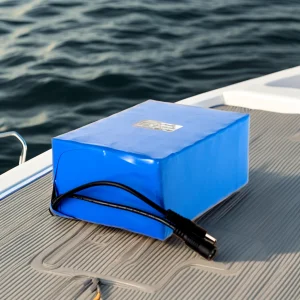
OEM Deep Cycle Solar Storage Lithium Ion Battery Pack for RV Marine & Boat 12V 10Ah 20Ah 30Ah 50Ah 100Ah

View Technical Specifications
Lithium Iron Phosphate Battery Pack RV Marine

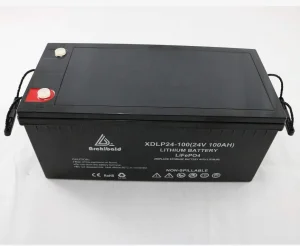
Lithium Iron Phosphate Battery Power Home Battery New Design Deep Cycle Lithium Ion 12V 24V 100AH 200AH 300AH Lifepo4 Battery Pack for Solar , Camping Car, RV Marine, Boat, Yacht

View Technical Specifications
Solar Energy System 20kwh Lifepo4 Battery

Solar Energy System 20kwh Lifepo4 Battery Rack Mounted 51.2v 400ah Lithium Ion Battery

View Technical Specifications
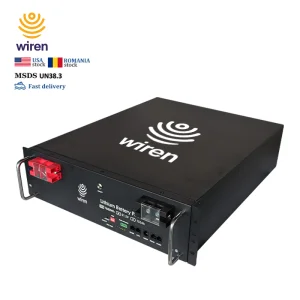
WIREN TE48150 48V 150Ah LiFePO4 Battery Pack

WIREN TE48150 48V 150Ah LiFePO4 Battery Pack 7.2kWh Rack Mounted Telecom Base Station UPS Backup Power Supply

View Technical Specifications
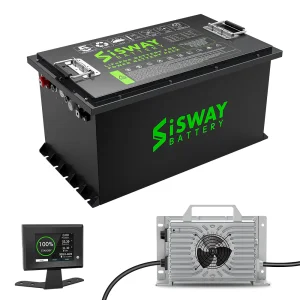
72V 105Ah Golf Cart Lithium Battery

72V 105Ah Golf Cart Lithium Battery 72 Volt 100Ah 200Ah 300Ah LiFePO4 Battery For Sightseeing Car Golf Cart

View Technical Specifications
Good Performance High Voltage 48V 51.2V

Good Performance High Voltage 48V 51.2V 100Ah 200Ah 300Ah 400Ah 500Ah Rack Mounted Solar Energy Storage Lithium Lifepo4 Battery

View Technical Specifications
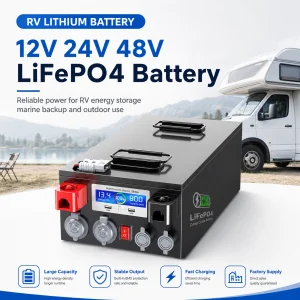
RV Lithium Iron Phosphate Battery 24V/12V

RV Lithium Iron Phosphate Battery 24V/12V High-Capacity Solar Energy Storage for Outdoor Camping Use China

View Technical Specifications
SZXUBA Lithium Solar Power Power Storage Station

SZXUBA Lithium Solar Power Power Storage Station 16Kwh 15Kwh Lifepo4 Battery 51.2v 314Ah Home Solar System Battery Pack

View Technical Specifications