GAF Energy
GAF Energy
GAF Energy
Engineered for peak performance, high efficiency, and maximum safety compliance. Scalable BESS solutions for modern businesses.
Shenzhen GAF Energy Co., Ltd. stands at the forefront of electrochemical innovation as a premier Lithium Battery Manufacturer, delivering world-class LiFePO4, Energy Storage & Renewable Power Solutions. Headquartered in Shenzhen, the global hub of electronic hardware engineering, we are dedicated to designing, developing, and exporting state-of-the-art battery systems for residential microgrids, large-scale commercial peak-shaving units, and utility-grade grid stability projects.
Our focus centers on safety, longevity, and thermal stability. By leveraging localized Chinese raw material supply chains, automated factory assembly lines, and high-precision Battery Management Systems (BMS), we provide high-performance lithium battery configurations designed to meet the strict demands of clean transition initiatives across North America, Europe, Australia, and key emerging regions globally.
In addition to our robust standard catalog, GAF Energy offers turnkey OEM and ODM capabilities. We support Tier-1 engineering firms, energy project developers, and EPC system integrators from initial hardware customization to regulatory compliance testing and containerized system scaling.
Analysis of grid dynamics, chemistry shifts, and localized application integration.
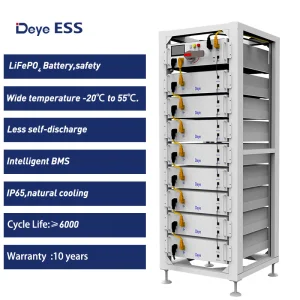
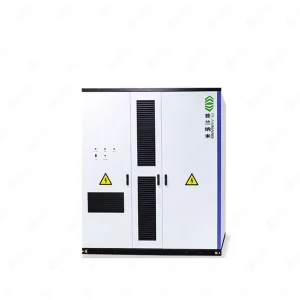
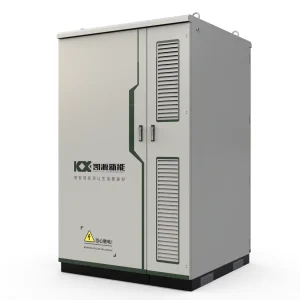
Modern renewable energy microgrids are shifting rapidly toward high-voltage DC system topologies (ranging from 300V to over 1000V). Higher operating voltages minimize current draw for a given power level, reducing heat generation, optimizing round-trip efficiency, and cutting down on structural copper cabling costs. Grid-tied commercial systems utilizing high-voltage cabinets, like the Deye BOS-G and custom high-voltage container solutions, allow system operators to reduce conversion losses, improve system power density, and interface directly with high-performance solar inverters.
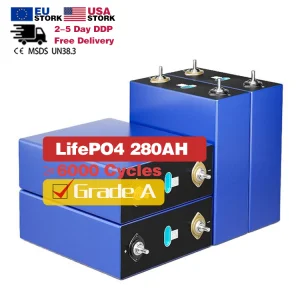
While Nickel Manganese Cobalt (NMC) batteries retain higher specific energy density values suitable for space-constrained electric passenger vehicles, Lithium Iron Phosphate (LiFePO4) has captured the stationary solar storage industry. The robust crystal lattice configuration of LFP offers safety profiles that minimize risks of thermal runaway. Furthermore, LFP cells deliver 6,000 to 10,000 full charge-discharge cycles at 80% Depth of Discharge (DoD), representing a superior Levelized Cost of Storage (LCOS) over a typical 10-to-15-year facility operating life. The industry is also closely monitoring the transition of Solid-State and semi-solid-state chemistries, aiming to unlock even longer operational lifespans and enhanced safety indexes under extreme environments.
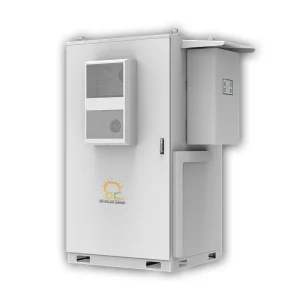
Modern commercial battery storage systems are no longer passive power banks. Advanced Battery Management Systems (BMS) integrated with Edge Energy Management Systems (EMS) optimize cell balancing, capture thermodynamic metrics, and report data via Modbus TCP/RTU or CAN bus protocols. This enables real-time interaction with utility control centers to participate in Peak Shaving, Frequency Regulation, Demand Response, and Virtual Power Plant (VPP) operations. Our outdoor cabinets are outfitted with liquid cooling loops or automated dual-stage HVAC units that keep cells in their optimal thermal envelope (20°C to 30°C), significantly delaying degradation.
Designed for low maintenance, high-efficiency conversion rates, and prolonged cell lifespans that drive down long-term operating costs.
Features aerosol fire suppression, active gas venting, thermal runaway isolation, and real-time electronic failsafes.
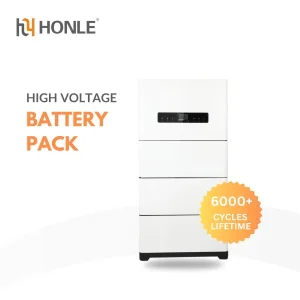
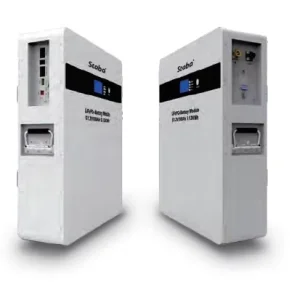
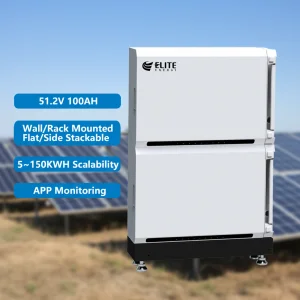
Stackable racks and parallel cabinets allow simple expansion from 5kWh residential setups to multi-megawatt configurations.
Why GAF Energy's Shenzhen facilities guarantee precision, efficiency, and stable capacity.
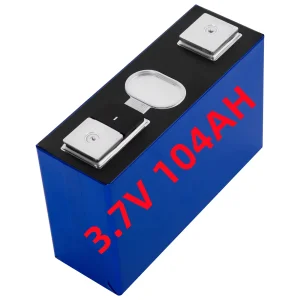
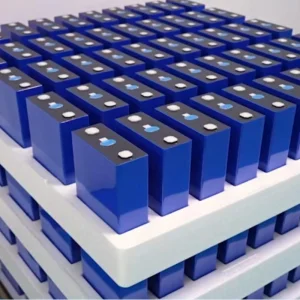
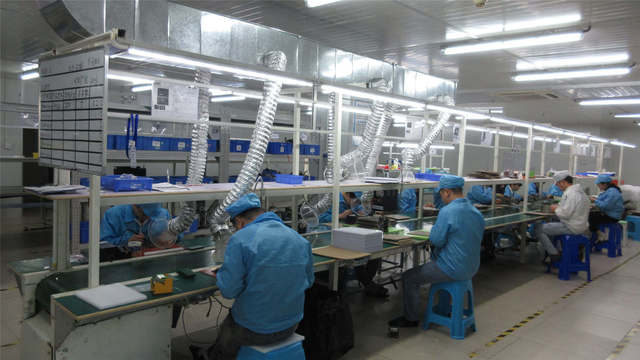
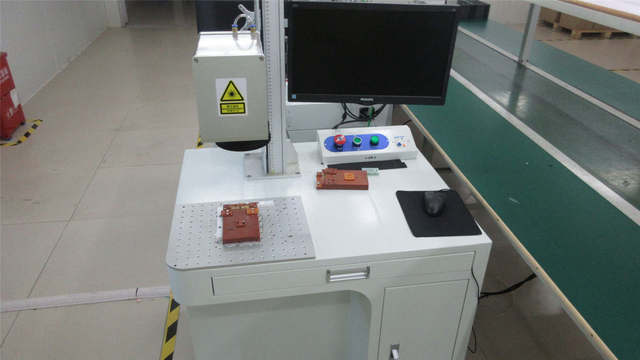
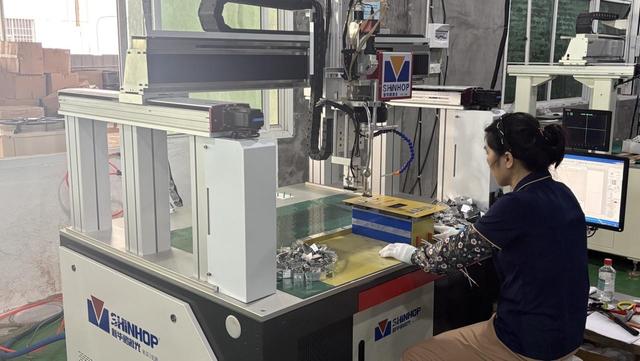
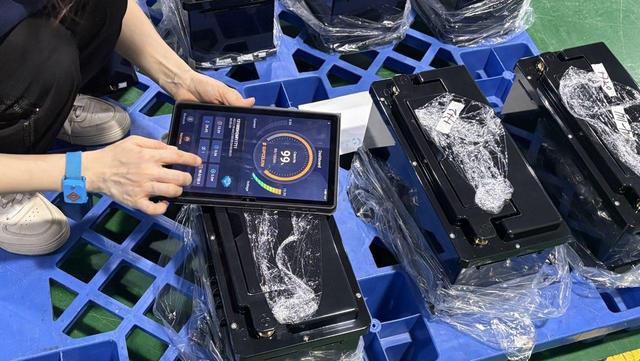
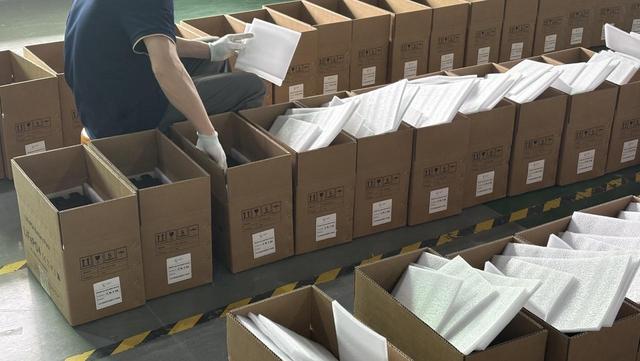
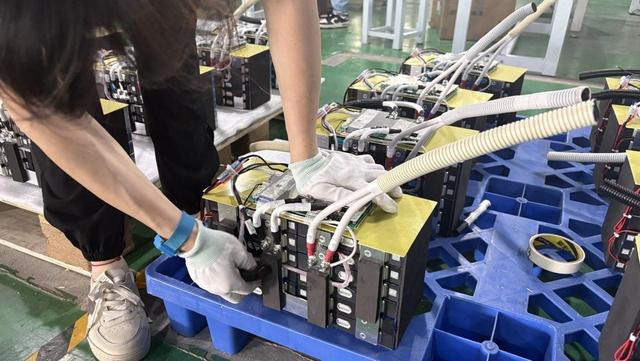
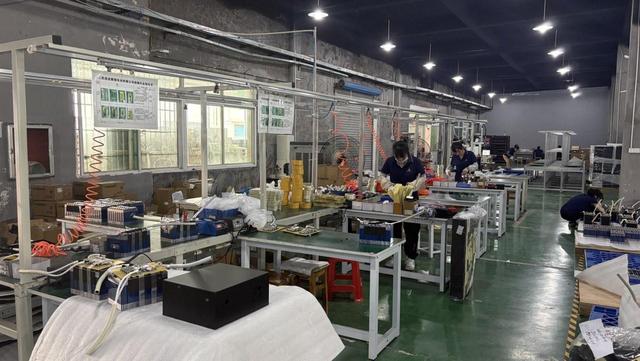
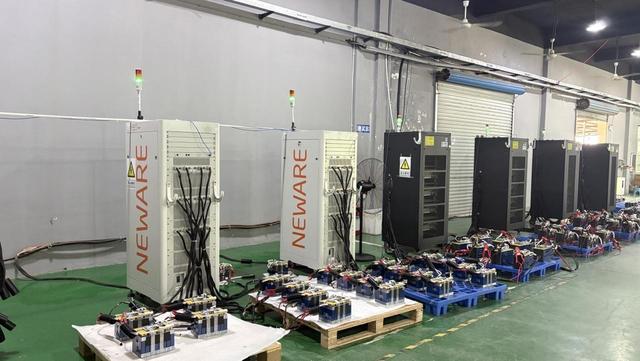
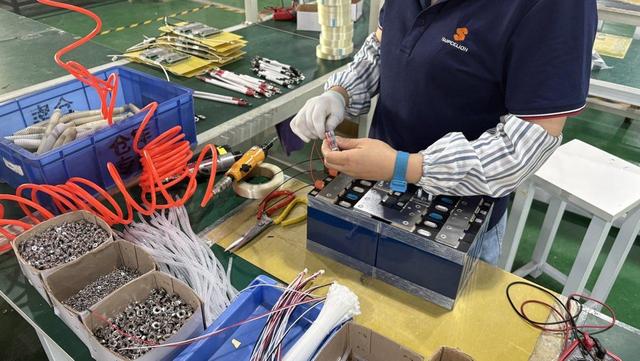
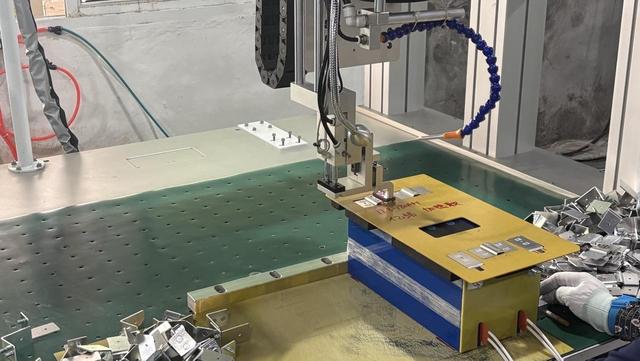
The global energy storage supply chain requires uncompromising accuracy. At our manufacturing plants in Shenzhen, China, we operate under Factory 4.0 automation guidelines. This means integrating computerized vision systems for automated cell sorting, laser welding systems that guarantee low-impedance electrical connections, and end-of-line test cabinets simulating real-world grid loads. Our assembly flow maintains strict classification tolerances for charge-discharge capacity, internal resistance, and voltage drop across production batches, eliminating weak links that could prematurely degrade a multi-module array.
Operating out of the primary industrial center for lithium electronics allows GAF Energy to source top-tier prismatic cells, smart BMS processors, robust wiring harnesses, and steel framing components. This localized supply network enables us to maintain shorter lead times and adapt to custom technical requirements for global OEM partners.
Practical, high-value integrations of our battery storage technologies across global sectors.
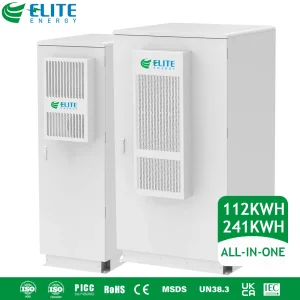
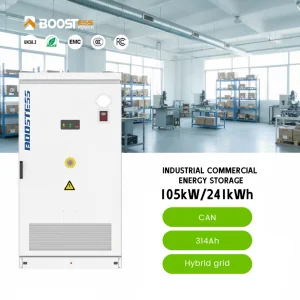
In regions with high demand charges and time-of-use tariffs (such as California or Central Europe), our 100kWh to 372kWh outdoor storage cabinets help factories, data centers, and office parks monitor and shave peak consumption spikes. By discharging stored power during grid peak periods, commercial clients reduce monthly demand fees and ensure uninterrupted operations without upgrading their electrical service panels.
Integrating heavy-duty LiFePO4 cabinet modules with industrial monocrystalline solar panels creates stable microgrids in areas with weak or absent grid connections—such as agricultural farms, mining sites, and remote eco-reserves. These setups help operators decrease fuel transport costs and reduce their carbon footprint by minimizing diesel generator run times.
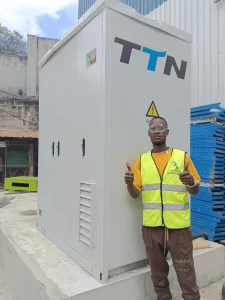
Hospitals, cold chain storage plants, and port loading docks require reliable, continuous power. Standard uninterruptible power supply (UPS) systems often lack the capacity needed to sustain operations through extended blackouts. GAF Energy's IP54 liquid-cooled cabinets supply steady, high-power backup output, seamlessly interfacing with building controls to protect critical equipment.
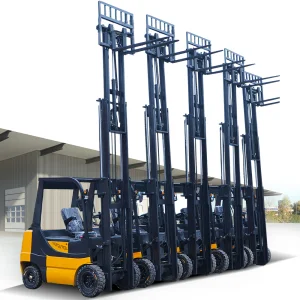
As warehouse fleets shift toward clean energy, demand is rising for high-capacity material handling solutions. Forklifts powered by our high-capacity LiFePO4 battery packs support rapid charging rates and retain consistent power output throughout their shift. This keeps warehouse logistics running smoothly and reduces down-time compared to traditional lead-acid alternatives.
Answers to common technical, logistics, and manufacturing questions from battery buyers.
Compact, efficient, and reliable energy solutions for residential applications and electric utility vehicles.