GAF Energy
GAF Energy
GAF Energy
Innovative Lithium LiFePO4 Battery & Smart Energy Storage Systems (ESS) for Global Industrial, Commercial, and Residential Markets
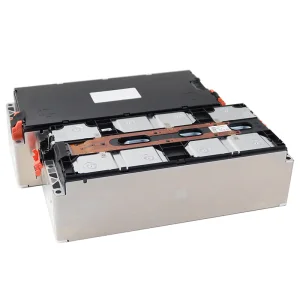
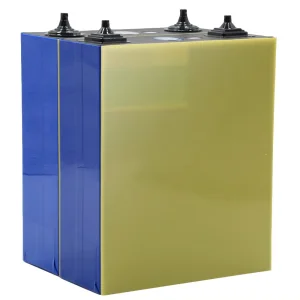
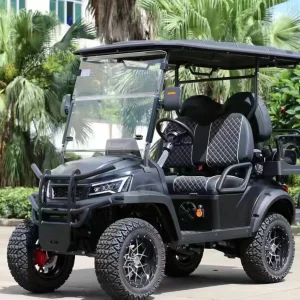
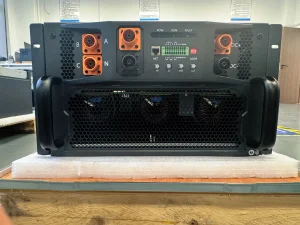

Shenzhen GAF Energy Co., Ltd. is a globally recognized, professional Lithium Battery Manufacturer specializing in LiFePO4 Chemistry, Commercial & Residential Energy Storage Systems (ESS), and high-performance renewable power solutions. Headquartered in the heart of China’s technological capital—Shenzhen—we are dedicated to delivering advanced energy solutions that support the accelerating worldwide demand for clean, secure, and smart energy.
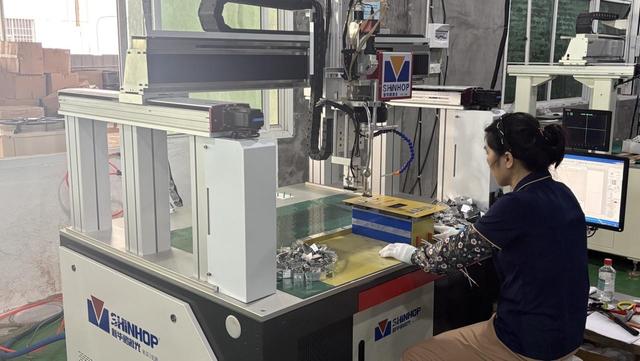
Operating state-of-the-art, ISO-certified manufacturing facilities, GAF Energy integrates cutting-edge automated assembly lines with deep R&D expertise. Our diverse engineering portfolio spans from ultra-reliable portable power generators for remote and outdoor applications, to complex high-voltage utility-scale battery systems, solar energy storage units, rack-mounted home batteries, and customized electric vehicle (EV) battery packs. We optimize every cell for maximum energy density, safety, thermal stability, and lifespan, providing a cornerstone for global green energy initiatives.
The international demand for portable power solutions has transitioned from a niche recreation accessory to a critical infrastructure requirement. Driven by extreme weather events, off-grid lifestyle trends, remote working environments, and emergency preparedness strategies, global B2B procurement of Portable Power Stations (PPS) and mobile energy storage systems has seen double-digit compound annual growth.
Lithium Iron Phosphate (LiFePO4) is replacing traditional NMC/NCA chemistries in portable energy applications. With a thermal runaway threshold exceeding 270°C and a life expectancy of over 3,000 to 8,000 cycles, LiFePO4 ensures unparalleled safety, minimal capacity decay, and lower total cost of ownership for commercial fleets and consumers alike.
Modern commercial portable generators now require fast bidirectional charging, allowing units to charge from 0% to 80% in under 1.5 hours without bulky external brick adapters. This is vital for industrial site efficiency where downtime results in significant financial losses.
Standard devices have evolved from low-capacity USB chargers to high-power backup solutions capable of supplying up to 3000W output. App integrations via Wi-Fi/Bluetooth allow real-time monitoring of input/output wattage, temperature profiles, and individual port controls, critical for B2B fleet logistics.
Advanced Portable Power Stations are increasingly designed with MPPT controllers capable of accepting high-voltage solar inputs, forming modular off-grid micro-grids. Importers seek models that can integrate directly with existing home solar panels or auxiliary battery modules.
Shenzhen represents the global epicenter of energy storage and lithium battery manufacturing. When sourcing Portable Power Stations, choosing a dedicated OEM partner like GAF Energy in Shenzhen guarantees significant cost, technological, and logistical advantages that cannot be replicated elsewhere:
Over 80% of the world's lithium refining and battery cell fabrication takes place in China. GAF Energy has direct access to raw materials and premium Class-A cells, guaranteeing consistent supply, price stability, and early access to chemical innovations.
A portable power station's performance depends heavily on its Battery Management System (BMS) and AC inverter efficiency. Shenzhen's mature semiconductor and electronics ecosystem allows us to design and test custom firmware and high-frequency inverters locally.
Lithium batteries are classified as Class 9 Dangerous Goods (DG) for international shipping. Operating out of Shenzhen allows us to seamlessly leverage advanced maritime ports (Yantian/Shekou) and dangerous goods airports (HK/Shenzhen) for smooth global compliance.
Our product line is meticulously designed to serve critical, diverse user intents. Understanding these specific application scenarios ensures that global distributors can target the correct demographic with maximum relevance and high semantic alignment:
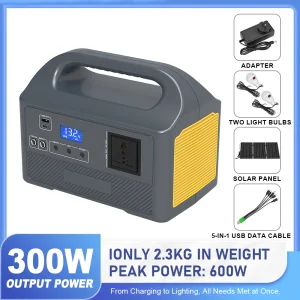
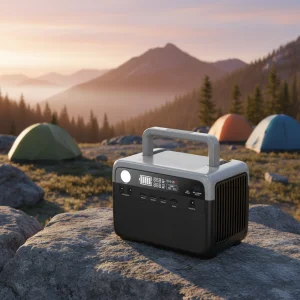
For outdoor enthusiasts and overland travelers, quiet, zero-emission electricity is essential. Our 150W-300W and up to 1000W portable systems run CPAP machines, mini-fridges, laptops, and LED lights, and integrate easily with lightweight folding solar panels.
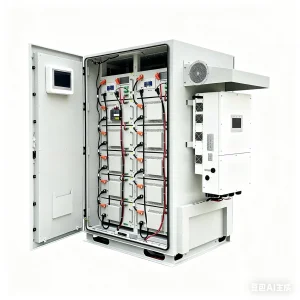
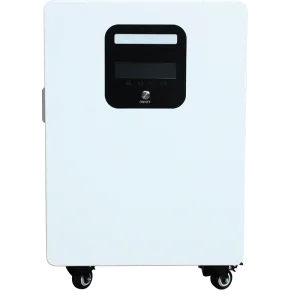
In regions facing fragile power grids or frequent storms, our rack-mounted 25.6V 120Ah LiFePO4 batteries and large industrial ESS provide seamless backup. They charge during off-peak hours and discharge during peak times, protecting homes from blackouts.
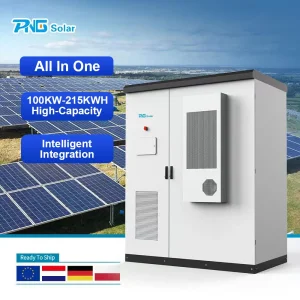
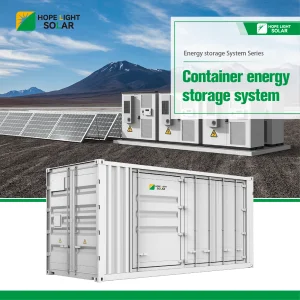
Heavy duty power tools, welding equipment, and remote communication stations require reliable, high-wattage power. Our robust 3.2V 280Ah cell configurations and industrial container systems supply continuous, high-current AC power without diesel fuel logistics.
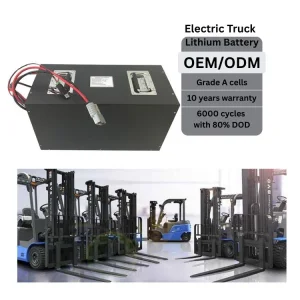
Our custom 72V Golf Cart batteries and 80V 400Ah Forklift battery packs replace outdated lead-acid units, offering faster charging, zero maintenance, and a longer operational lifespan for material handling and recreational fleets.
Entering strict regulatory markets like Europe, North America, and Australia requires strict adherence to international safety standards. Shenzhen GAF Energy Co., Ltd. ensures all products are manufactured under rigorous QA systems and carry full certification portfolios for direct import:
Our batteries and electrical products are tested to comply with UL 2743 (for Portable Power Stations), UL 1973 (for energy storage batteries), CE (LVD/EMC), FCC Part 15, RoHS, and GCC (for Middle Eastern electric vehicle components).
All cell and pack configurations hold verified UN38.3 test reports and comprehensive Material Safety Data Sheets (MSDS), assuring compliance with IMDG (sea transport) and IATA (air cargo) dangerous goods standards.
To provide reliable after-sales care, we partner with overseas repair centers and local technicians. Our long-term replacement warranties ensure fast turnaround on spare parts, BMS firmware upgrades, and battery health checks.
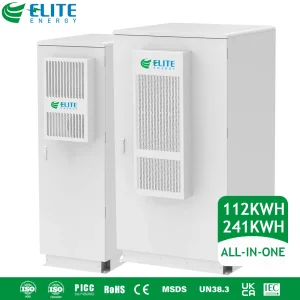
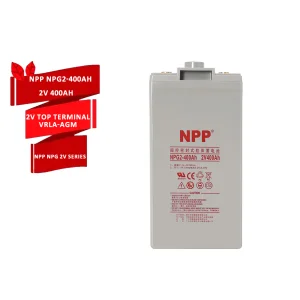
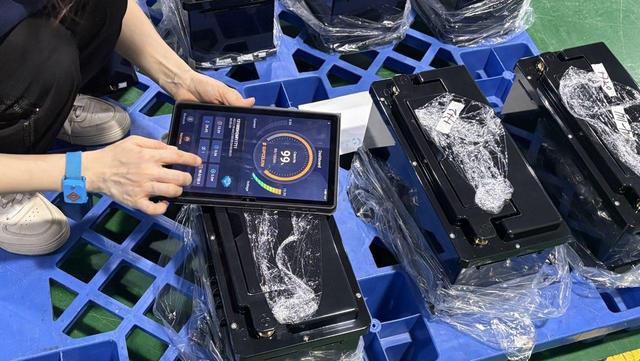
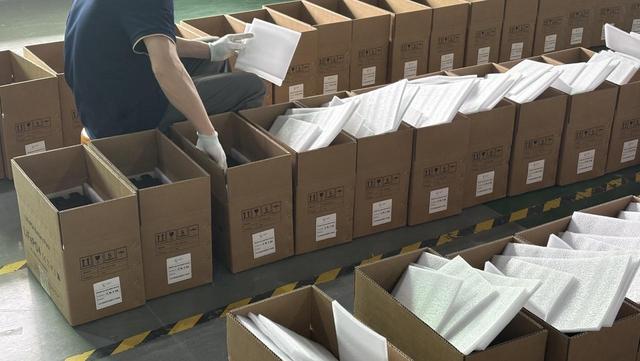
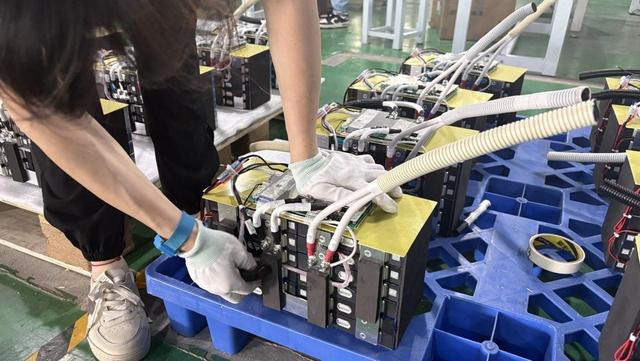
GAF Energy's production quality is anchored in our cleanroom assembly facilities, rigorous cell-sorting algorithms, and automated aging testing chambers. We subject every single cell pack to extensive high-current discharge tests, thermal profiling, and mechanical vibration tests before packaging and distribution.
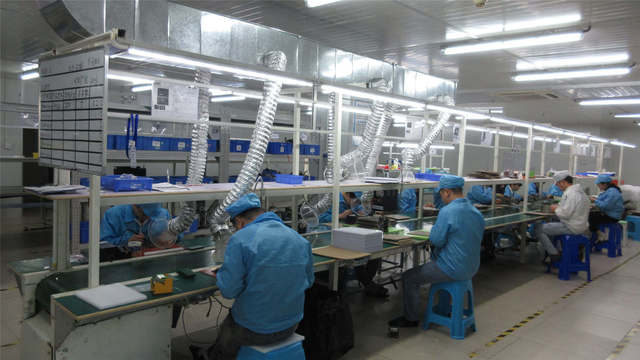
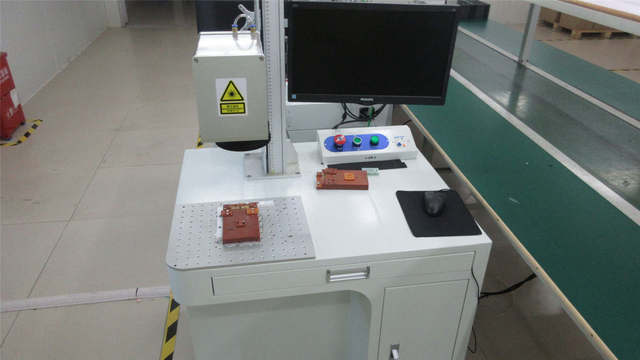
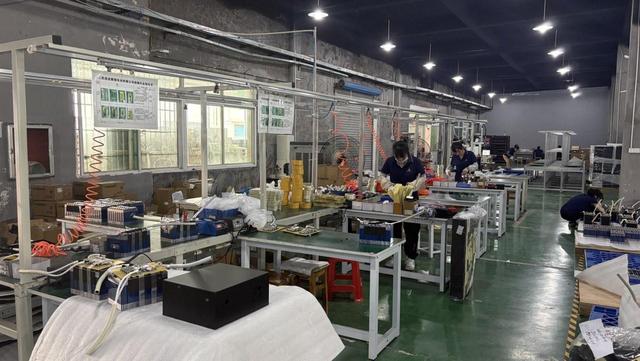
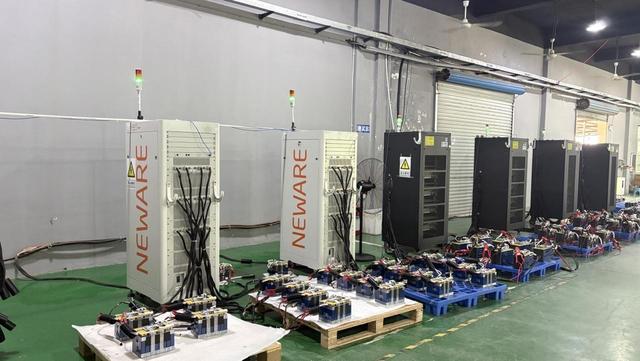
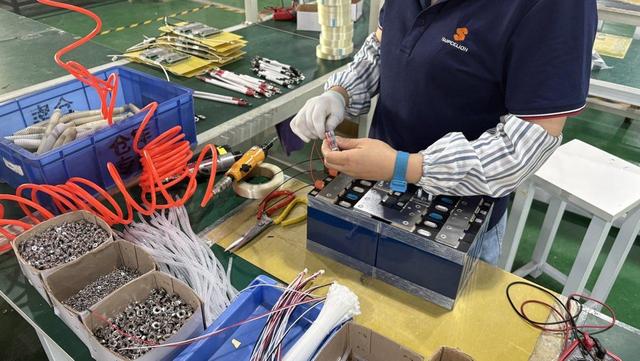
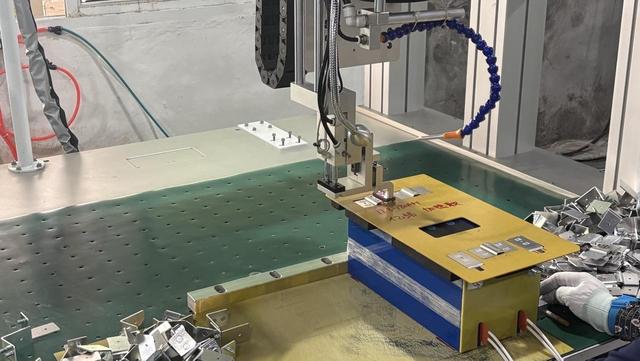
As a dedicated manufacturer, we understand that standard sizes do not fit all business needs. We offer complete original design and equipment manufacturing processes, ensuring that branding, structural layout, output options, and battery management settings align perfectly with your local market parameters.
From casing colors, logo printing, and user-interface modifications to tailored packaging templates and customized user guides. We make sure our portable systems fit seamlessly into your existing product catalog.
We modify active cell cooling systems, configure communication protocols (CAN/RS485/Modbus), adjust charging profiles, and customize AC port styles (EU, US, UK, Universal) to meet your exact specifications.