GAF Energy
GAF Energy
GAF Energy
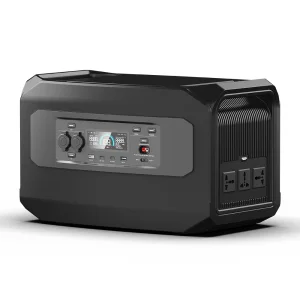
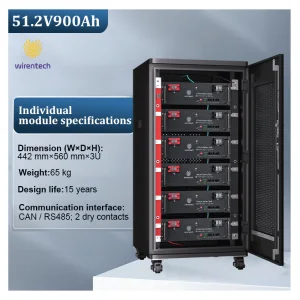
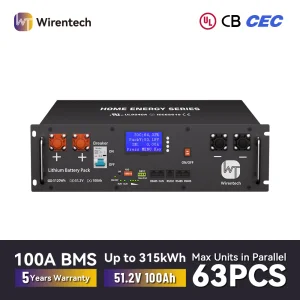
In modern critical environments—ranging from hyper-scale data centers and telecommunication hubs to specialized medical wards and microgrid operations—power disruptions represent immense operational and financial risk. Historically, standard Uninterruptible Power Supply (UPS) architecture relied on traditional Valve-Regulated Lead-Acid (VRLA) batteries. However, the energy landscape is experiencing a paradigm shift towards lithium battery integration.
Shenzhen GAF Energy Co., Ltd. stands as a premier Lithium Battery Manufacturer | LiFePO4, Energy Storage & Renewable Power Solutions provider. Headquartered in Shenzhen, China, GAF Energy operates state-of-the-art facilities designed for high-density, high-safety energy solutions. Our global footprint covers North America, Europe, Australia, Southeast Asia, Africa, and the Middle East. Through advanced automated cell matching, thermal runaway structural design, and smart integrated Battery Management Systems (BMS), we supply CE-certified, UL-compliant lithium battery solutions optimized for the most rigorous global commercial, industrial, and residential backup applications.
Industrial operations require uninterruptible power that is highly reliable, space-efficient, and structurally durable. While Lead-Acid (VRLA) systems have been the default for decades, they suffer from inherent drawbacks including shorter cycle lifetimes (typically 300 to 500 cycles), strict thermal demands (requiring continuous 25°C environments to prevent premature degradation), heavy floor load footprints, and toxic chemical compositions.
By contrast, lithium chemistry—specifically Lithium Iron Phosphate (LiFePO4)—delivers unparalleled physical and chemical performance profiles:
LiFePO4 batteries deliver up to three times the energy density of lead-acid options. This reduces physical footprint requirements by 50-70%, unlocking valuable square footage in high-rent data centers or containerized substations.
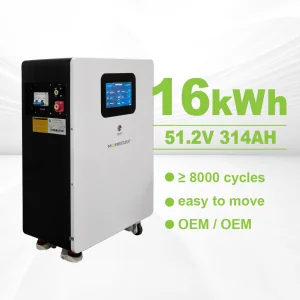
A standard GAF Energy LiFePO4 battery achieves over 6,000 deep charge-discharge cycles at 80% Depth of Discharge (DOD), yielding a functional operating lifespan of 10 to 15 years. This drastically reduces replacement cycles and maintenance costs.
Unlike NMC or Cobalt-based chemistry, LiFePO4 exhibits high thermal stability (runaway temperatures exceed 270°C). This allows it to function efficiently up to 55°C without triggering cooling over-expenditures.
Exporting and deploying industrial energy storage systems requires compliance with global safety standards. Our CE Certified UPS Lithium systems undergo testing protocols that evaluate risk under electrical, mechanical, and environmental stress conditions.
To carry the CE mark, a UPS lithium system must conform to directives that verify safety and compatibility:
At GAF Energy, our lithium systems go beyond basic compliance. Models feature certificates from internationally accredited laboratories, aligning with safety benchmarks like UN38.3 (lithium transport safety), IEC 62619 (safety for industrial applications), and select components certified to UL 1973 and UL 9540A fire safety standards. This ensures compliance when integrating systems into municipal buildings, data hubs, and hybrid telecom systems.
As a leading innovator, GAF Energy continuously invests in R&D to ensure our backup power technologies match the needs of tomorrow's energy grids. The future of UPS is defined by higher voltage architectures, intelligent software integration, and modular deployments.
Traditional lithium backup systems operated at 48V. Our technology roadmap leads the industry towards high-voltage configurations. Operating at 384V up to 800V DC reduces cabling copper weight, minimizes line losses, and yields power conversion efficiencies above 98% in multi-megawatt configurations.
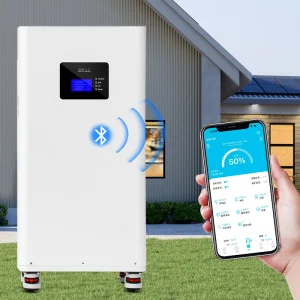
Each GAF Energy pack includes a proprietary battery management system. Featuring advanced microprocessors, our active-balancing BMS calculates State-of-Charge (SOC) and State-of-Health (SOH) in real-time. By applying edge analytics, the BMS detects micro-volt deviations to forecast thermal runway risks and isolate compromised cells before issues propagate.
Our future-ready designs are built for Virtual Power Plant (VPP) optimization. Systems operate as dynamic assets that can participate in peak-shaving, frequency response, and demand-response programs, turning a backup cost center into a revenue-generating power resource.
To maximize the return on investment of a UPS lithium installation, the battery system must adapt to localized environmental conditions and grid demands. Here is how GAF Energy systems perform across key industrial scenarios:
5G cellular nodes draw up to three times the power of 4G gear, requiring localized backup inside compact cabinets. Our 51.2V rack-mounted lithium packs support deep-cycling at remote locations, handling fluctuating utility inputs and temperature spikes without degradation.
In data centers, every millisecond counts. Our high-rate discharge cells support massive discharge loads instantly. Integrated with static transfer switches, they ensure power continuity during transitions from utility power to backup diesel generators.
Operating suites, MRI machines, and life support systems depend on continuous power. Our CE-certified batteries meet strict electromagnetic safety requirements, preventing interference with delicate medical diagnostics while delivering safe backup power.
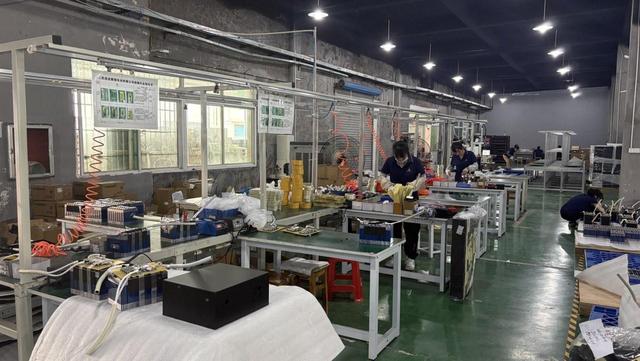
Headquartered in Shenzhen, China, GAF Energy operates at the epicenter of the global lithium battery supply chain. This location provides structural advantages in raw material sourcing, automated quality control, and export logistics, allowing us to deliver high-quality energy systems globally.
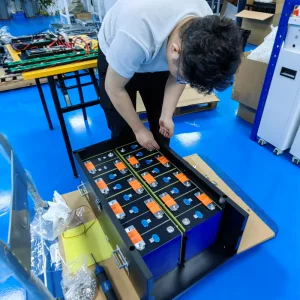
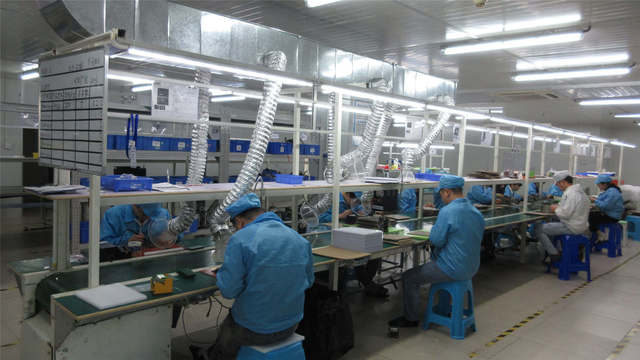
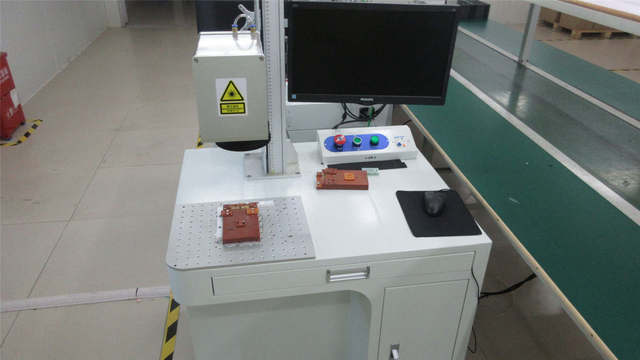
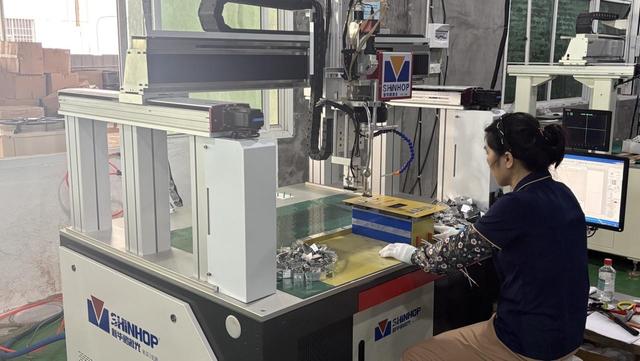
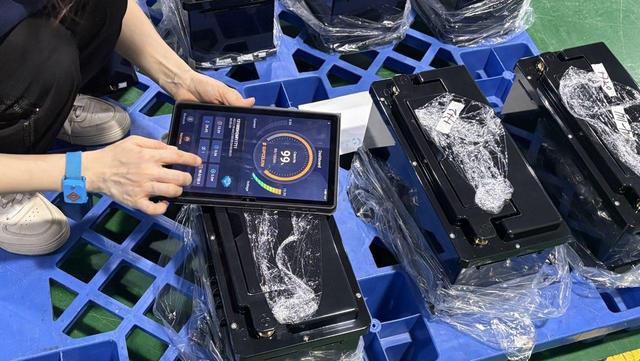
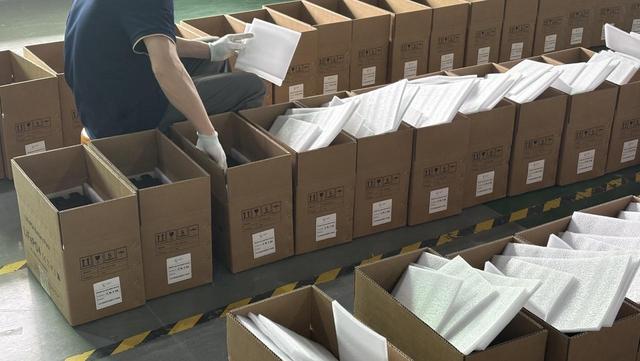
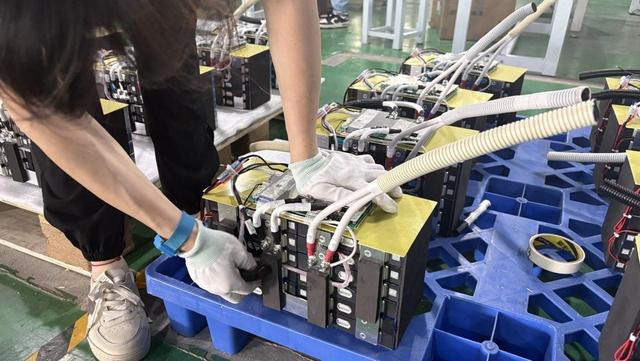
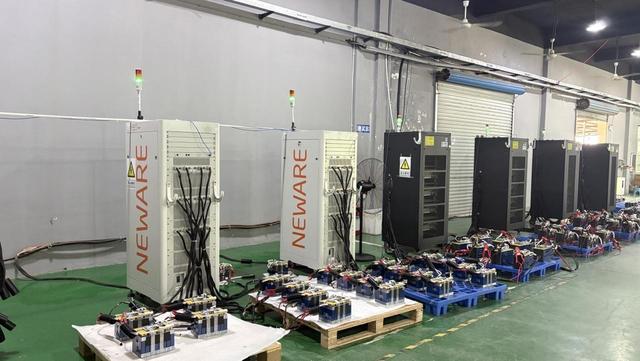
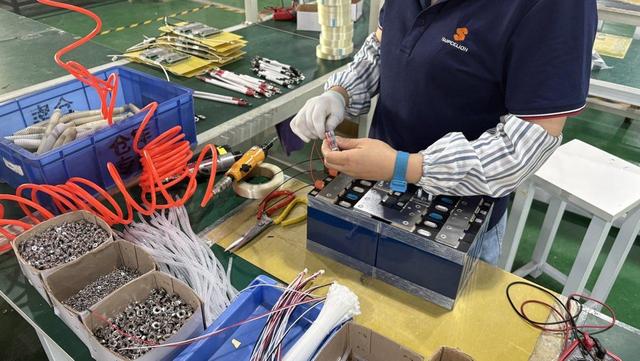
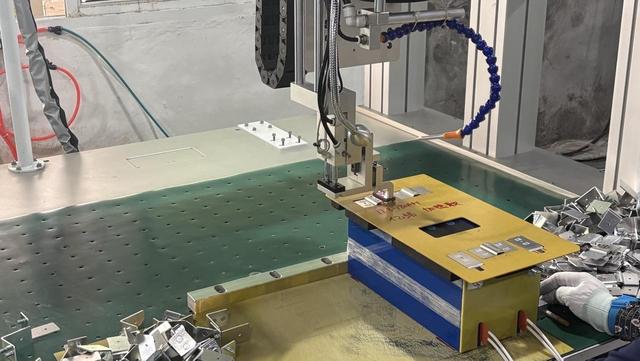
From chemical precursors to finished smart battery systems, our facility optimizes production efficiency at every stage. We utilize automated laser welding, computerized cell-capacity grading, and rigorous multi-stage testing to guarantee cell uniformity. Every battery system undergoes high-current load testing and environmental chamber thermal cycling before shipping, ensuring field reliability.
Deploying critical power infrastructure requires local support alongside manufacturing compliance. GAF Energy works with regional engineering networks to assist with local permitting, fire safety reviews, and grid interconnection processes.
For installations in North America, we verify alignment with local electrical codes and NFPA 855 regulations. In European jurisdictions, our products conform to CE directives and regional grid codes. By providing comprehensive technical documentation, installation guides, and direct engineering support, we help system integrators and distributors streamline project approvals.
Clear, engineering-focused answers to common technical, logistics, and compliance questions regarding our lithium UPS systems.
CE certification proves that a lithium battery system meets European Union safety, health, and environmental standards. It guarantees that the system complies with the Low Voltage Directive (LVD) for electrical safety and the Electromagnetic Compatibility (EMC) Directive to prevent interference with other electronic systems, allowing legal distribution within the European Economic Area.
GAF Energy battery packs feature a smart BMS with active and passive cell-balancing systems. By monitoring the voltage of individual cells during charge cycles, the BMS shunts excess current from higher-voltage cells. This keeps all cells balanced within millivolt tolerances, preventing capacity degradation and extending system life.
Yes, our smart LiFePO4 battery modules are designed for drop-in compatibility. The integrated BMS matches the charging profiles of industrial UPS rectifiers, allowing direct connection to DC buses. However, we recommend consulting our engineering team to review system charging voltages, cut-offs, and communication protocol integrations before installation.
All our shipping configurations undergo UN38.3 standard testing, which includes altitude simulation, thermal tests, vibration, impact, external short circuits, overcharging, and forced discharge assessments. Every containerized order is packed and labeled to meet class 9 dangerous goods requirements for safe international logistics.
Standard custom configurations take 4 to 6 weeks for mechanical drawing approval, sample fabrication, and initial thermal evaluation. Mass production timelines typically range from 30 to 45 days, depending on cell chemistry availability, BMS programming complexity, and certification requirements.