GAF Energy
GAF Energy
GAF Energy
Explore our industrial-grade LiFePO4 battery modules, solar energy systems, and high-voltage energy storage solutions designed for global export compliance.
Analyzing market dynamics, regulatory mandates (EN 15194, UL 2271), and the macro paradigm shift toward electrified light mobility.
The global light electric vehicle (LEV) sector, specifically electric bicycles (E-bikes), urban cargo fleets, and last-mile delivery vehicles, is undergoing a profound technological transformation. Driven by stringent municipal zero-emission directives, rising fuel volatility, and rapid urbanization across Europe, North America, and the Asia-Pacific region, the demand for high-reliability, long-lifecycle, and safety-certified battery packs has reached an unprecedented high.
Central to this transition is the market mandate for verified CE Certified Electric Bike Batteries. In European markets governed by EN 15194:2017 standards, certification is no longer merely a regulatory checkbox—it is a critical industrial threshold governing thermal management, structural integrity, electromagnetic compatibility (EMC), and functional safety of the Battery Management System (BMS). As municipal authorities implement rigorous safety standards to mitigate thermal runaway risks associated with uncertified low-quality packs, tier-one OEMs and distributors must partner directly with experienced manufacturers offering fully compliant, certified lithium power systems.
Technical Insight: Modern CE certification for electric bicycle battery power packs demands strict alignment with EN 15194, UN 38.3 (transportation safety testing), IEC 62133-2 (portable secondary cell safety), and UL 2271 (batteries for use in light electric vehicle applications). Industrial buyers must ensure cell chemistry, firmware safety logic, and mechanical encapsulation meet these multi-regional criteria.
Delivering high-performance lithium battery systems, LiFePO4 modules, and bespoke OEM/ODM engineering across the globe.
Shenzhen GAF Energy Co., Ltd. is a professional Lithium Battery Manufacturer | LiFePO4, Energy Storage & Renewable Power Solutions dedicated to delivering advanced energy storage technologies for residential, commercial, industrial, and renewable energy applications worldwide. With a focus on innovation, safety, and sustainability, the company provides high-performance lithium battery solutions that support the growing global demand for clean and reliable energy.
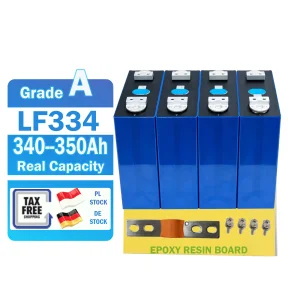
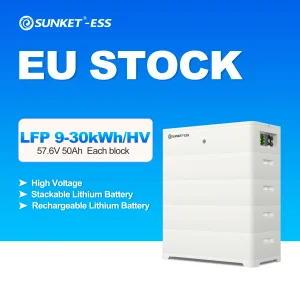
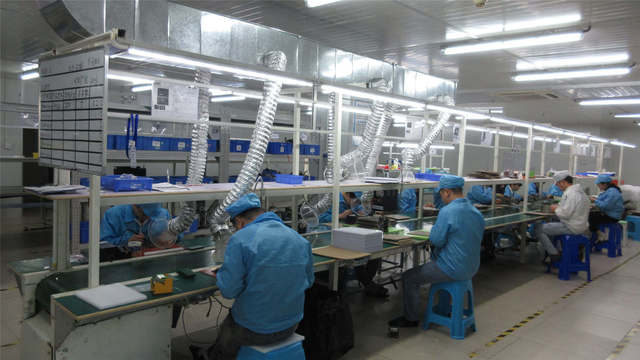
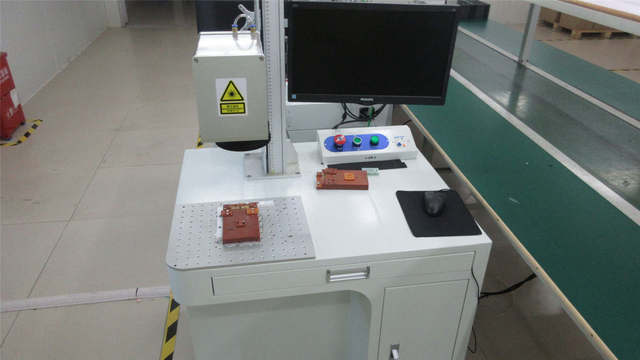
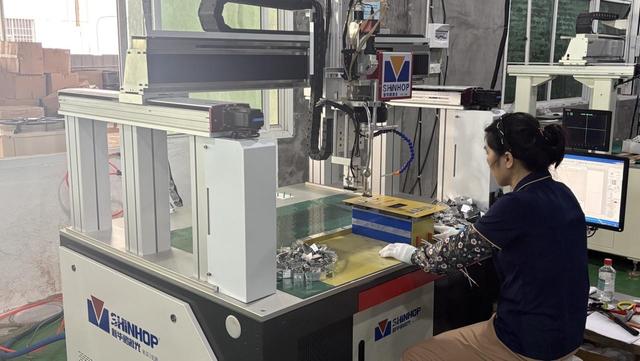
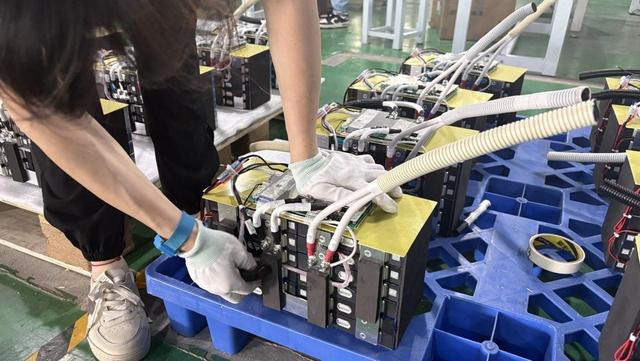
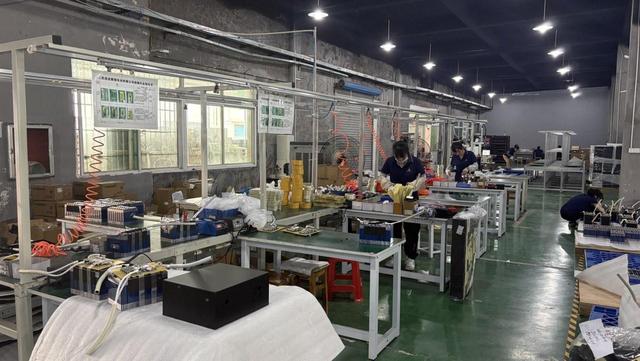
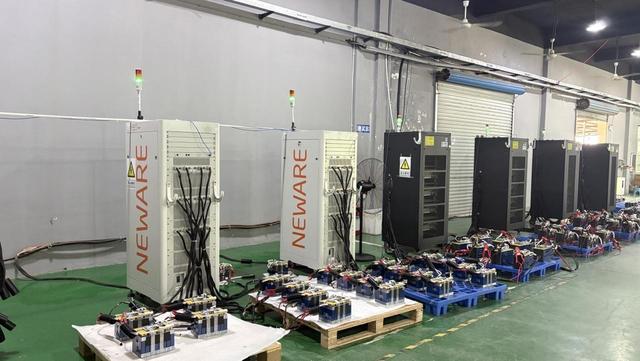
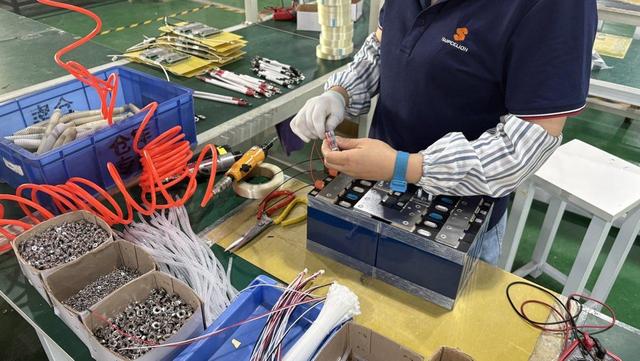
Headquartered in Shenzhen, China, GAF Energy operates modern manufacturing facilities equipped with advanced production equipment, automated assembly lines, and comprehensive quality management systems. The company specializes in the research, development, and production of LiFePO4 batteries, lithium-ion battery systems, residential energy storage batteries, commercial and industrial energy storage systems (ESS), solar storage batteries, rack-mounted battery systems, high-voltage battery solutions, and customized battery packs.
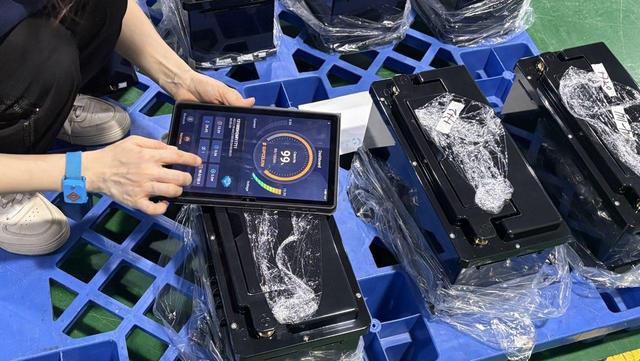
GAF Energy places strong emphasis on product quality and technological innovation. By utilizing premium battery cells, intelligent battery management systems (BMS), and rigorous testing procedures, the company ensures excellent safety, long cycle life, stable performance, and high energy efficiency. Every battery system is designed to meet the demanding requirements of renewable energy integration, backup power applications, and modern energy management solutions.
In addition to standard product offerings, GAF Energy provides comprehensive OEM and ODM services for distributors, energy solution providers, solar installers, system integrators, and private-label brands. From product design and engineering to manufacturing and technical support, the company delivers flexible solutions tailored to specific project requirements.
Serving customers across North America, Europe, Australia, Southeast Asia, Africa, and the Middle East, Shenzhen GAF Energy Co., Ltd. has established long-term partnerships based on product reliability, competitive pricing, and responsive customer service. Committed to accelerating the transition toward sustainable energy, the company continues to invest in advanced battery technologies and renewable energy innovations, helping customers achieve greater energy independence and long-term environmental benefits.
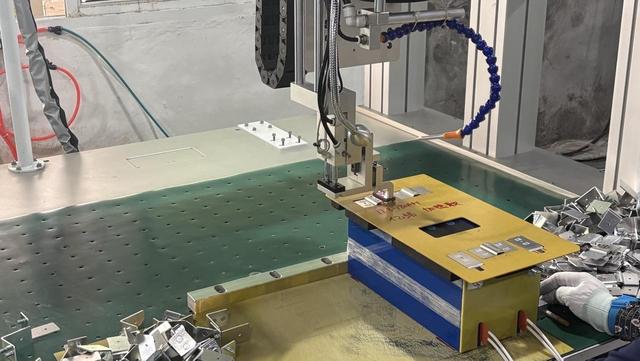
Evaluating Nickel Manganese Cobalt (NCM) vs. Lithium Iron Phosphate (LiFePO4) and Solid-State Horizons for Industrial Light EVs.
Offers extreme thermal runaway resistance up to 500°C decomposition temperature, rendering it the safest operational standard for heavy fleet usage and high ambient heat environments.
Delivers over 3,500 to 6,000 deep discharge cycles at 80% Depth of Discharge (DoD), drastically lowering the Total Cost of Ownership (TCO) for commercial cargo e-bikes and sharing networks.
Integrated CAN-Bus, RS485, and UART protocol stacks enable real-time telemetry, active cell balancing, precise State-of-Charge (SoC), and State-of-Health (SoH) algorithmic tracking.
| Performance Parameter | LiFePO4 (LFP) Architecture | NCM / NCA High Density | Solid-State (Emerging 2026-2030) |
|---|---|---|---|
| Nominal Cell Voltage | 3.2 V | 3.6 V – 3.7 V | 3.8 V – 4.2 V |
| Energy Density (Wh/kg) | 160 – 210 Wh/kg | 230 – 300 Wh/kg | 350 – 500 Wh/kg |
| Cycle Life (80% DOD) | 3,500 – 6,000 Cycles | 800 – 1,500 Cycles | 2,500+ Cycles (Projected) |
| Thermal Runaway Temp | ~270°C to 500°C | ~150°C to 210°C | >300°C (Non-flammable electrolyte) |
| Fast Charging Capability | High (1C – 3C Continuous) | Moderate (0.5C – 1C) | Ultra-Fast (3C – 5C) |
| CE & UL Compliance Complexity | Low Risk / Streamlined Safety | Requires Rigorous Thermal Barriers | Inherently Safe Configuration |
Tailored energy system integration from commercial fleet logistics to heavy industrial electric mobility.
Designed for multi-shift continuous delivery operations. Quick-swappable 36V, 48V, and 52V battery packs with reinforced IP67 flame-retardant enclosures eliminate down-time for courier fleets.
Equipped with high peak discharge BMS (up to 100A continuous), engineered to absorb extreme structural vibration and shock loads while delivering sustained torque uphill.
Integrated self-heating thermal management films automatically activate during low-temperature charging cycles, securing lithium plating prevention in Nordic and North American winters.
Standardized physical profiles paired with cloud-connected IoT telemetry (GPS, GSM, CAN) for municipal bike-sharing operators requiring remote monitoring and automated battery locking.
Bespoke casing configurations (down-tube, rear-rack, internal frame insertion) customized specifically for international e-bike manufacturers and industrial material handling buggies.
Fully compliant with the EU Battery Regulation (EU 2023/1542), supporting digital battery passports, easy disassembly for second-life applications, and closed-loop material recycling.
Exploring intelligent cloud BMS integration, semi-solid electrolyte deployment, and regulatory evolution.
As the global micro-mobility market scales toward a multi-billion-dollar valuation, three defining technological megatrends are driving the evolution of battery manufacturing:
The traditional passive protection circuit is rapidly being replaced by AI-enabled edge hardware connected to cloud telematics. Modern electric bike battery systems collect high-frequency voltage, temperature, current, and impedance data points. Machine learning models analyze this continuous telemetry to predict cell degradation, dynamically recalibrate remaining useful life (RUL), and detect thermal anomalies long before potential failure occurs.
To maximize motor efficiency and torque output without scaling wire harness thickness, the micro-mobility industry is accelerating a shift from legacy 36V systems to 48V, 52V, and 72V platforms. Simultaneously, sodium-ion cell chemistry is emerging as a cost-effective, cold-weather-resilient alternative to entry-level lithium-ion packs, providing superior safety profile and raw material abundance.
Under new European Union regulatory mandates, all industrial and electric vehicle batteries above 2 kWh introduced into the market will require a QR-accessible Digital Battery Passport. This data record tracks recycled content percentages, supply chain carbon footprint, raw material origins, and lifecycle history. Shenzhen GAF Energy is at the forefront of implementing transparent supply chain tracking for effortless compliance.
Addressing essential technical, compliance, and custom manufacturing queries for global B2B buyers and engineers.
For European market entry, a CE-marked e-bike battery must comply with EN 15194:2017 (electrically power assisted cycles standard), which references IEC 62133-2 for lithium cell safety, UN 38.3 for transport testing, and Directive 2014/30/EU for Electromagnetic Compatibility (EMC). CE marking confirms compliance with electrical safety, mechanical shock, vibration, and thermal exposure limits.
LiFePO4 (Lithium Iron Phosphate) offers exceptional thermal stability and extreme lifespan (3,500+ cycles vs 800 for standard NCM). For commercial fleet operations where bikes are charged multiple times daily, LiFePO4 drastically reduces operating replacement costs and eliminates thermal runaway hazards under continuous heavy usage.
Yes. GAF Energy specializes in end-to-end OEM/ODM design. We engineer custom aluminum or ABS housing to fit integrated down-tubes, develop bespoke Smart BMS firmware supporting CAN, RS485, or UART communication, and tailor voltage profiles (36V, 48V, 52V, 60V, 72V) to exact motor controller specs.
Our micro-mobility and industrial battery packs are designed to IP65 or IP67 ingress protection standards. Ultrasonic welding, specialized rubber gaskets, and conformal coating on BMS boards prevent water, dust, and moisture intrusion during adverse weather or pressure washing.
Our intelligent BMS features multi-tiered safety logic. It monitors cell-level voltages, pack currents, and multi-point NTC temperature sensors. If cell voltage exceeds upper thresholds or internal temperature exceeds safe operating parameters, MOSFET switches immediately isolate the circuit within milliseconds.
We supply complete compliance documentation for global logistics, including UN 38.3 Test Reports, Safety Data Sheets (MSDS), Transport Certificates by Sea/Air, CE Declarations of Conformity, and IEC 62133 certification summaries.
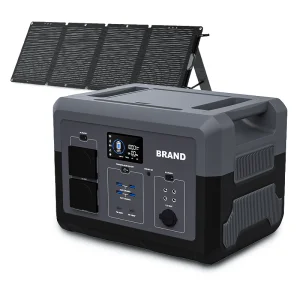
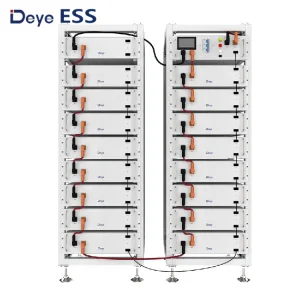
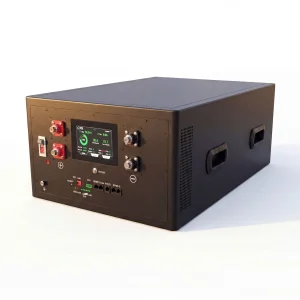
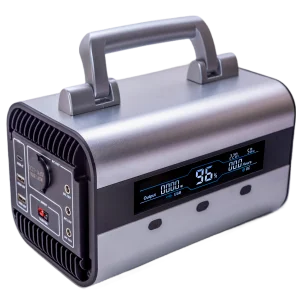
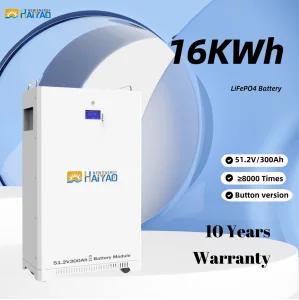
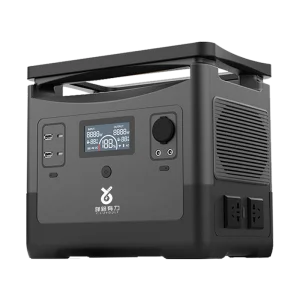
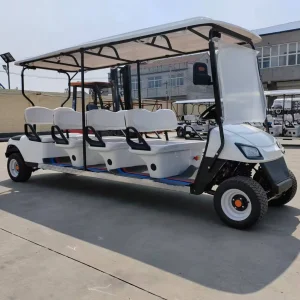
Browse our extensive selection of portable power stations, rack-mounted home energy storage, golf cart packs, and heavy-duty industrial lithium solutions.