GAF Energy
When considering what should you know before buying lithium batteries, it's essential to seek expert advice. Dr. Emily Thompson, a renowned battery technology researcher, emphasizes, "Understanding the nuances of lithium batteries can save you time and money." The market for lithium batteries is booming, yet many still lack crucial knowledge.
Each lithium battery type has its intended use. For example, not every battery is suitable for high-drain devices like power tools. Durability is another factor. Some batteries degrade quickly, impacting performance. Not all batteries are created equal, and buyers must be discerning.
Price often reflects quality. Cheaper options might not last long. Research can reveal hidden gems. Knowing the specifications ensures compatibility with your devices. Understanding capacity and discharge rates is vital. A mismatch may lead to device failures. Always check the metrics before purchasing. Knowledge is power in this rapidly evolving field.
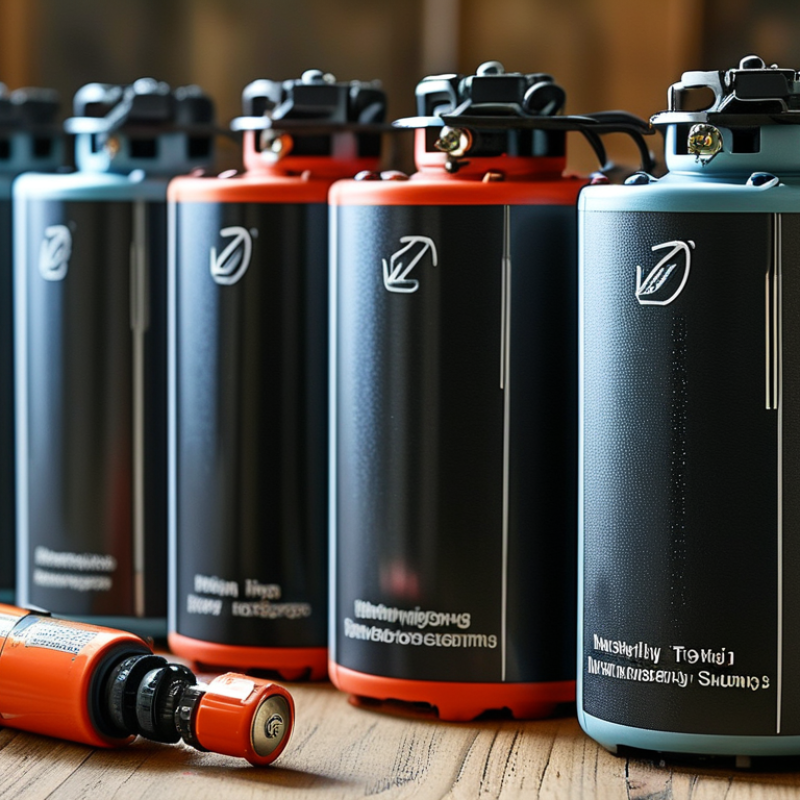
Lithium batteries have revolutionized energy storage. Understanding the various types is crucial before making a purchase. There are primarily three types: lithium-ion, lithium polymer, and lithium iron phosphate. Each has distinct characteristics and applications.
Lithium-ion batteries dominate the consumer electronics market, with a high energy density and long lifecycle. According to a report from BloombergNEF, the market for lithium-ion batteries is expected to grow by over 30% annually through 2030. These batteries can handle both charge and discharge efficiently, making them suitable for smartphones and laptops. However, they may pose safety risks if not properly managed.
Lithium polymer batteries offer versatility and form factor advantages. They are lighter and can be shaped to fit specific applications, such as drones and RC vehicles. Yet, their lower energy density compared to lithium-ion batteries can be a drawback for some. Market analysts note a growing demand for these batteries in the wearable tech sector, reflecting evolving consumer needs.
Lithium iron phosphate batteries are known for their thermal stability and safety. They have a lower energy density but excel in performance under harsh conditions. This makes them ideal for electric vehicles and solar energy storage. Mixed feedback exists regarding their cycle stability, with some users reporting less optimal longevity. Knowing these details is essential when selecting the right lithium battery for your needs.
When purchasing lithium batteries, evaluating battery capacity is crucial. The milliamp-hour (mAh) rating indicates how much energy a battery can store. Higher mAh values generally mean longer usage times. For example, a device requiring 2000 mAh can run longer with a 3000 mAh battery. This can prevent unexpected shutdowns during critical tasks.
It's essential to match the battery's capacity with your device's needs. Consider how frequently you use your device. If you're often on the go, aim for a battery with a higher mAh. Industry reports suggest that most smartphones use batteries ranging from 2500 mAh to 5000 mAh. Tablets typically need even more, between 5000 mAh and 10000 mAh.
Tips: Always check your device’s specifications to find the recommended mAh. Also, remember that higher capacity batteries may be heavier. This could affect portability. Think about how often you charge your device. A suitable mAh can minimize recharging times while ensuring durability. They say, "Choose wisely, and your battery will serve you well."
When handling lithium batteries, safety is paramount. These batteries can pose risks if not managed correctly. Overheating, short circuits, and even fires are possible outcomes of improper handling. Awareness of these dangers is essential for anyone purchasing or using lithium batteries.
Tips: Always inspect batteries for visible damage before use. Look for dents or leaks. If a battery looks compromised, do not use it. Store batteries in a cool, dry place. Extreme temperatures can lead to performance issues or failure.
Improper disposal is another concern. Many people are unaware that lithium batteries must be recycled. Tossing them in regular trash can be hazardous. Local recycling programs can help safely dispose of old batteries. Education about these practices can make a significant difference in safety.
Finally, consider reading the user guidelines that accompany your battery. They often contain crucial information about handling and storage. Remember, safety begins with understanding. Each step you take towards proper handling reduces your risks significantly.
When considering lithium batteries, the lifespan and durability are key factors. Lithium batteries typically last between 2 to 10 years, depending on usage and care. This longevity is significantly influenced by the battery's charge cycles, which usually range from 300 to 500 full cycles. Reports indicate that over time, a lithium battery may retain 70-80% of its original capacity after 2-3 years.
Environmental factors also play a critical role in the longevity of these batteries. High temperatures can dramatically reduce lifespan, causing degradation. Conversely, storing them in cooler temperatures can help maintain performance. According to a study by the U.S. Department of Energy, operating lithium-ion batteries at optimal temperatures significantly extends their lifespan.
Despite their advantages, some challenges remain. Users may experience unexpected capacity drops as batteries age. This issue often leads to frustration. Many overlook the importance of proper charging practices, which can enhance durability. Inadequate charging can lead to faster wear, thus reducing usable life. Understanding these dynamics can help consumers make informed decisions to ensure they get the most out of their lithium batteries.
When considering lithium batteries, performance is as crucial as price. Industry reports indicate that lithium-ion batteries offer up to 90% energy efficiency. This efficiency can significantly lower long-term costs. However, initial prices can be higher than traditional batteries, often by 20-30%. Evaluating these factors helps in making an informed decision.
Tips: Always compare energy density. Higher numbers mean more energy stored in a smaller space. This can directly influence performance.
A key challenge is finding batteries that balance cost and longevity. Some sources suggest that cheaper batteries may have shorter life cycles, while pricier models might last twice as long. This may lead to higher replacement costs. For example, consider the life span; a quality lithium battery can last up to 3,000 cycles, while cheaper alternatives might only hit 1,000.
Tips: Check warranty details. A solid warranty can be a telling sign of quality. Also, consider the disposal and recycling options. Not all lithium batteries are created equal in this aspect.
This chart illustrates the cost comparison and performance (capacity) of various lithium batteries. The first dataset indicates the price of each battery, while the second dataset shows their respective capacities in amp-hours (Ah).
h in batteries?
Match the battery's capacity to your device's needs. Consider your usage frequency and required mAh.
Most smartphones use batteries between 2500 mAh and 5000 mAh. This range supports daily usage well.
Lithium batteries last between 2 to 10 years. It depends on usage and how well they are cared for.
High temperatures can reduce battery lifespan significantly. Storing batteries in cooler conditions helps maintain performance.
As batteries age, they may suddenly drop in capacity. This can lead to frustration and unexpected shutdowns.
Proper charging habits are essential. Inadequate charging can accelerate wear and reduce overall battery life.
Batteries with higher mAh often weigh more. This can impact portability and ease of use.
Yes, consider how often you charge and the weight of the battery. These factors can affect your experience.
Many users overlook proper charging practices. This can lead to faster battery wear and a shorter lifespan.
When considering what should you know before buying lithium batteries, it's essential to understand the different types and their chemical properties to ensure compatibility with your devices. Evaluating battery capacity, measured in mAh, is crucial, as it directly influences how long your device can operate between charges.
Safety is another vital aspect; it's important to recognize the risks associated with lithium batteries and adhere to proper handling practices to avoid accidents. Additionally, be aware of the life cycle and durability expectations, as this will impact the overall value of your investment. Lastly, conduct a cost comparison between various options to analyze price versus performance, ensuring you make an informed decision that meets your needs.
