GAF Energy
Choosing the right lithium battery can seem daunting. With numerous options available, it's essential to understand what suits your specific needs. Dr. Emily Chen, a leading expert in battery technology, emphasizes, "Not all lithium batteries are created equal; understanding your requirements is key." This insight underlines the importance of discerning features and performance specifications.
When pondering how to choose the right lithium battery, consider factors like capacity, voltage, and intended use. These elements significantly affect performance and longevity. For example, a battery used in electric vehicles will differ vastly from one designed for portable electronics. However, many people overlook these details and face suboptimal results.
A well-informed choice can lead to better efficiency and satisfaction. Yet, some users might find themselves overwhelmed by the vast amount of information out there. Navigating this field demands careful consideration and often requires professional advice. Embracing this complexity can indeed lead to better overall outcomes in battery selection.
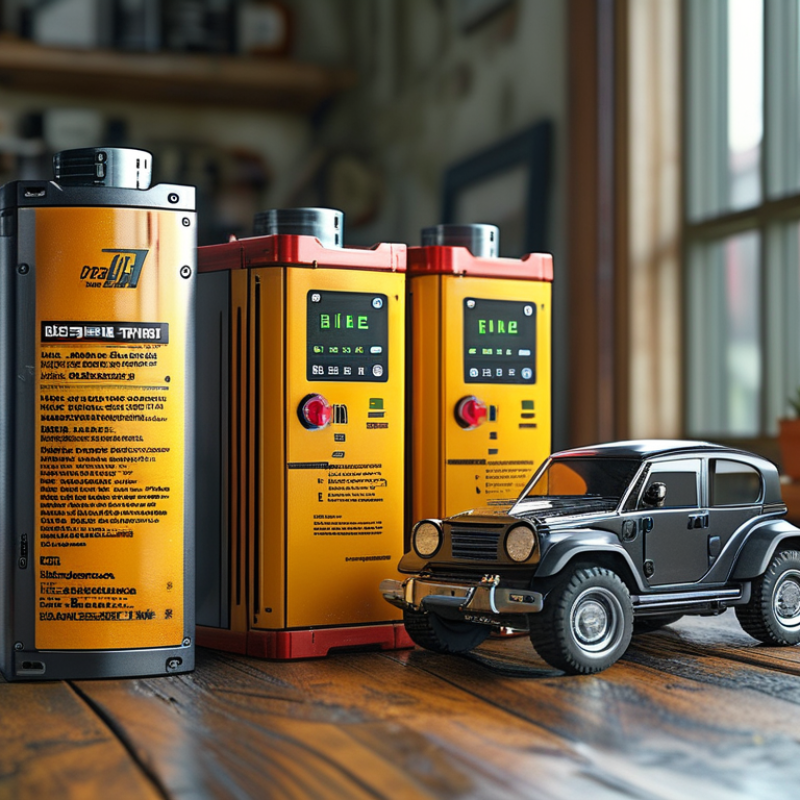
When evaluating different types of lithium batteries, understanding their unique characteristics is essential. Lithium-ion batteries are widely used in consumer electronics, providing high energy density. According to market research from Mordor Intelligence, the global lithium-ion battery market is expected to grow significantly, with a compound annual growth rate (CAGR) of approximately 18% from 2021 to 2026. These batteries can be categorized into various types, including lithium titanate (LTO) and lithium polymer (LiPo).
Lithium titanate batteries excel in fast charging and longer life cycles. They can withstand more than 10,000 charge-discharge cycles, making them suitable for applications that require longevity, like electric vehicles.
On the other hand, lithium polymer batteries are lighter and offer more flexible designs. They are often favored in consumer gadgets for their size and versatility. However, their lifespan is generally shorter compared to other lithium options, typically around 500 cycles.
The choice between these battery types relies on specific needs. Assessing power requirements and usage scenarios is vital. For instance, a consumer may prefer a lightweight battery for a drone, while a manufacturer may require a more robust battery for an electric vehicle. It’s crucial to weigh factors like energy density and charging speeds against trade-offs in durability and weight. Finding the right balance can improve performance and satisfaction.
When choosing the right lithium battery, assess your power requirements meticulously. Knowing your needs is vital for performance and efficiency. According to a report by the International Energy Agency, about 35% of lithium-ion batteries are used in consumer electronics. These devices require specific energy densities. A typical smartphone battery operates at around 2,000 to 3,500 mAh. In contrast, electric vehicles often require batteries in the range of 60,000 to 100,000 mAh.
Consider your usage patterns. If you need a battery for intermittent use, a smaller capacity may suffice. However, the continuous demands of an electric bike may necessitate a higher capacity battery. Understanding your energy consumption can lead to better choices. The U.S. Department of Energy suggests calculating total watt-hours for devices. This can indicate the necessary battery size.
It’s essential to acknowledge limitations as well. Overestimating power needs may lead to wasted resources. A battery that exceeds requirements can be heavier and costlier. The balance between capacity and weight is crucial. Testing various options can reveal real-world performance discrepancies you might not predict. Be prepared to reassess your choices as technology evolves and power needs change.
When selecting a lithium battery, understanding capacity and voltage is critical. Battery capacity, usually measured in ampere-hours (Ah), indicates how much energy a battery can store. For instance, a 10 Ah battery can provide 1 amp for 10 hours. Industry reports show that the capacity needs vary widely based on application. For high-drain devices, such as power tools, a battery needs higher capacity. In contrast, low-power gadgets may only require modest specifications.
Voltage is another key factor. Lithium batteries typically offer a nominal voltage of 3.7V per cell. Applications demanding higher voltage will require multiple cells. However, simply stacking cells increases complexity. It impacts charging and safety. A report from the Battery University indicates that mismatched voltages can lead to overheating and reduced lifespan.
Choosing the right battery also involves assessing weight and size constraints. Some projects might have limited space. This necessitates balancing capacity with physical dimensions. Overloading a small battery can lead to rapid depletion. Ignoring such factors can result in inefficient performance. Tailoring your choice to precise applications ultimately enhances reliability and efficiency.
Choosing the right lithium battery often comes down to understanding size, weight, and form factor. These factors are crucial for ensuring portability. A lightweight battery is preferable for mobile devices. However, it should still provide sufficient power. Size is equally important. A compact battery fits into small electronic devices seamlessly. But if it's too small, it may not deliver the required energy output.
Next, consider the form factor. Different devices require batteries of varying shapes. For instance, drones may need flat batteries, while portable tools might require cylindrical ones. A mismatch can lead to performance issues. It's essential to find a balance: battery efficiency and portability should go hand in hand.
Many users overlook the specific needs of their devices. They might choose a battery based solely on size or weight. This can lead to dissatisfaction. Reflecting on actual usage scenarios will provide better insights. Understanding the trade-offs between these dimensions is vital for making informed decisions. Battery choice influences portability directly and significantly.
When selecting a lithium battery, safety features should be at the forefront. The most essential safety aspect is thermal management. Temperature regulation prevents overheating, which can lead to failure or even fires. Look for batteries that incorporate advanced thermal protections. Additionally, consider short-circuit protection. This feature can cut off power during faults, reducing risks significantly.
Lifespan is another vital factor. Quality lithium batteries should offer impressive cycle counts, typically ranging from 500 to 2000 cycles. However, real-world performance can differ. Usage conditions, such as ambient temperature and charging habits, directly impact longevity. A battery that claims a long life might not perform similarly in high-heat environments. Thus, testing and real-life reviews from other users offer valuable insights.
Moreover, the battery's chemical composition also influences safety and endurance. Several variations exist, each with unique pros and cons. For instance, lithium iron phosphate is known for safety but has a lower energy density. Consider your specific application needs to find the right balance. Effective choices often require compromise. A thorough analysis of your requirements will guide you in selecting a suitable battery that meets your safety and lifespan expectations.
: Common types include lithium-ion, lithium titanate (LTO), and lithium polymer (LiPo). Each has unique characteristics.
They excel with over 10,000 charge-discharge cycles, making them ideal for applications needing longevity, like electric vehicles.
Lithium polymer batteries typically have a lifespan of around 500 charge cycles, which is shorter compared to other types.
Understand your energy consumption. Calculate total watt-hours of devices to determine the necessary battery size.
Size and weight affect portability. A lightweight battery must still provide enough power for devices.
Overestimating can lead to wasted resources; heavier, costlier batteries might exceed requirements.
Different devices need batteries in various shapes. Mismatched sizes can lead to performance issues.
No, focusing only on these factors may not meet device energy requirements and can lead to dissatisfaction.
Testing can reveal real-world performance differences that might not be obvious initially. Be ready to reassess choices.
Yes, power needs can change. Stay adaptable and reflect on evolving technology to avoid limitations.
When it comes to how to choose the right lithium battery, it's essential to understand the various types available on the market. Start by assessing your power requirements to ensure the battery can meet your energy needs effectively. Evaluating battery capacity and voltage is crucial, as these factors can significantly affect the performance of your device.
Additionally, consider the size, weight, and form factor, especially if portability is a concern. Finally, reviewing safety features and the expected lifespan of lithium batteries can help determine the best choice for your specific applications. By taking these aspects into account, you can make an informed decision that best suits your requirements.
