GAF Energy GAF Energy

How Sustainable Are Lithium Batteries for Global Buyers?

Time:2026-09-23 Author:Madeline
0%

How sustainable are lithium batteries when they cross borders and enter global supply chains? The answer depends on more than tailpipe emissions. It includes mining, refining, manufacturing, transport, use, repair, and recycling. Each stage leaves a different footprint.

Lithium extraction can consume substantial water in dry regions. Nickel and cobalt mining may also create habitat pressure and difficult labor concerns. Graphite processing adds another environmental challenge. Newer chemistries, such as lithium iron phosphate, can reduce dependence on nickel and cobalt. However, they still require energy, minerals, and careful waste management. Manufacturing matters too. A battery produced with coal-heavy electricity can carry higher embedded emissions than one made with renewable power. The details are often overlooked.

The answer is uncomfortable. Data remains uneven.

Fatih Birol, Executive Director of the International Energy Agency, stated, “There is no clean energy transition without critical minerals.” His warning applies directly to battery purchasing decisions. Global buyers should request traceable mineral information, factory emissions data, warranty terms, and recycling plans. They should examine supplier audits, not just sustainability claims. Regional electricity mixes also deserve attention. A battery’s carbon profile can change before it reaches the customer.

Use matters as well. Efficient thermal management can protect battery life. Longer service can reduce replacement demand. Recycling can recover valuable materials, although collection systems remain inconsistent worldwide. Second-life storage may extend usefulness, but it is not automatically sustainable. This article examines the evidence behind how sustainable are lithium batteries, while recognizing uncertainty, trade-offs, and incomplete reporting. Some conclusions will remain provisional. That honesty is necessary for credible global procurement.
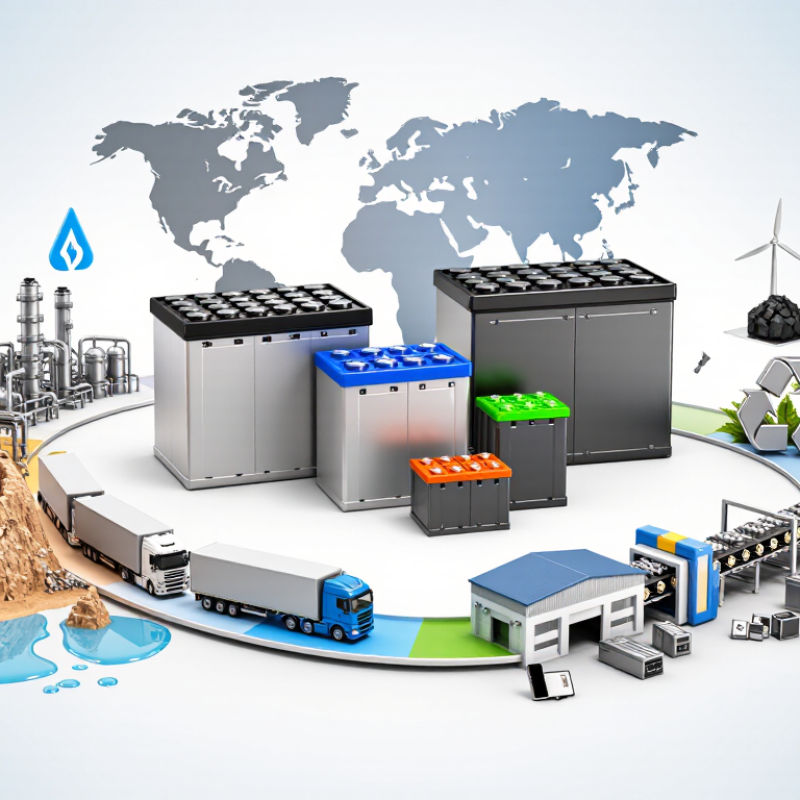
How Sustainable Are Lithium Batteries for Global Buyers?

What Lithium Batteries Are and How They Work

A lithium battery stores energy through reversible chemical reactions. Most rechargeable cells use lithium-ion chemistry, not metallic lithium. Inside, the cathode and anode hold lithium between charging cycles. A porous separator keeps them apart. The electrolyte provides a path for lithium ions.

During discharge, lithium ions move from the anode to the cathode. Electrons travel through the external circuit instead. That movement powers a vehicle, tool, or storage system. Charging reverses the process. A battery management system controls temperature, voltage, and current. Small errors matter.

The International Energy Agency reported that global electric-car battery demand reached about 750 GWh in 2023. It also noted stronger demand for lithium iron phosphate cells, partly because they avoid nickel and cobalt. Cell design changes cost, safety, weight, and service life. There is no perfect chemistry.

In practical testing, heat is a quiet problem. High temperatures accelerate degradation, while extreme cold reduces available power. The electrolyte can also form unwanted layers on electrode surfaces. These layers increase resistance over time. A battery may still function, but it stores less energy.

The sustainability question begins here. Mining, refining, manufacturing, and recycling all require energy. The IEA’s Global Critical Minerals Outlook 2024 warns that mineral supply chains remain concentrated. Recycling can recover valuable materials, yet collection systems are still developing. Numbers look clean on paper. Real batteries age unevenly.

How Sustainable Are Lithium Batteries for Global Buyers?

Lithium-ion batteries store energy by moving lithium ions between a cathode and an anode through an electrolyte. Chemistry affects both usable energy and service life, which are important factors when assessing sustainability.

How to read the chart: The energy-density figures are representative midpoints in Wh/kg, while cycle-life figures indicate typical full-charge cycles before capacity commonly falls to about 80% of the original level. Higher cycle life can reduce replacement frequency, although sustainability also depends on manufacturing energy, mineral sourcing, charging electricity, reuse and recycling.

Indicative ranges synthesized from technical reviews and public lifecycle studies, including U.S. Department of Energy and Argonne National Laboratory resources. Actual performance varies by cell design, operating temperature, charging conditions and usage.

Where Lithium Battery Materials Come From

Lithium batteries begin with materials from very different landscapes. Lithium often comes from brine beneath salt flats or hard-rock mines. Brine extraction can use large amounts of water in dry regions. Hard-rock mining requires crushing, heating, and chemical processing. Neither route is impact-free.

The other ingredients add more complexity. Nickel may come from sulfide or laterite ores. Cobalt is commonly produced as a by-product of copper mining. Graphite comes from natural deposits or controlled industrial production. Manganese is mined from several regions and supports many battery chemistries. These materials rarely travel directly from a mine to a battery factory. They pass through refiners, chemical processors, traders, and component manufacturers.

For global buyers, the origin of a battery means more than the mining country. It includes energy use, water management, labor conditions, and transport distance. A reliable supplier should provide traceability records, test reports, and recent third-party audit results. Buyers can also ask whether recycled metals are included and how much of the material is recovered. Documentation can still contain gaps. That matters.

The supply chain looks clean on paper, but reality is messier. A shipment may combine materials from several processing sites. A certificate may confirm compliance without showing every environmental cost. Buyers should compare technical data with site-level evidence, not rely on attractive claims alone. Better questions often reveal better batteries.

How Sustainable Are Lithium Batteries for Global Buyers? - Where Lithium Battery Materials Come From

Material Function in Lithium Batteries Approximate 2023 Global Mine Production Major Mining Sources Main Processing and Supply-Chain Concentration Key Sustainability Considerations Recycling Outlook
Lithium Carries lithium ions between the anode and cathode during charging and discharging. Approximately 180,000 metric tonnes of lithium content. Australia, Chile, China, Argentina, Brazil, Zimbabwe and Canada. Hard-rock ores are commonly converted into concentrates and then refined. Brines are processed through evaporation or direct-lithium-extraction methods. Chemical conversion capacity is concentrated in East Asia, particularly China. Water use can be significant in arid brine regions. Hard-rock mining may have higher energy requirements because ore must be mined and processed. Project impacts depend heavily on local water management and land conditions. Recovery is technically possible, but global recovery volumes remain limited because many electric-vehicle batteries have not yet reached end of life. Hydrometallurgical and direct-recycling methods are developing.
Nickel Increases cathode energy density, especially in nickel-rich chemistries such as NMC and NCA. Approximately 3.6 million metric tonnes of nickel content. Indonesia, the Philippines, New Caledonia, Russia, Canada, Australia and China. Indonesia is the largest mining source and has rapidly expanded refining and intermediate-product capacity. Nickel laterite and sulfide ores require different processing routes. Laterite processing can generate high energy demand, large waste streams and tailings-management challenges. Sulfide mining can create acid-rock drainage if not properly managed. Nickel has relatively strong recycling value. Recovery from end-of-life cathodes can reduce the need for new mining, although collection and material separation remain important barriers.
Cobalt Helps stabilize certain cathodes and supports high energy density and cycle life. Approximately 230,000 metric tonnes of cobalt content. The Democratic Republic of the Congo is the dominant mining source, followed by Indonesia, Russia, Australia, the Philippines and Canada. A large share of mined cobalt is produced as a by-product of copper or nickel mining. Refining and chemical conversion are highly concentrated in China. Supply-chain due diligence is important because of labor, safety, traceability and environmental concerns in some mining areas. Battery chemistries with lower or no cobalt can reduce exposure to these risks. Cobalt is one of the most economically attractive battery metals to recover. Recycling can return cobalt to the supply chain and reduce dependence on primary production.
Graphite Provides the dominant commercial anode material in most lithium-ion batteries. Approximately 1.6 million metric tonnes of natural graphite. China, Mozambique, Madagascar, Brazil, Canada, India and Tanzania. Natural graphite must be concentrated, purified and often spheroidized before use in battery anodes. China has historically dominated graphite processing and anode-grade production. Synthetic graphite is manufactured from carbon-based feedstocks and requires substantial energy. Mining can disturb land and generate fine waste. Purification may use chemicals and significant energy. Synthetic graphite can have a high carbon footprint when electricity is carbon-intensive. Graphite recovery from used batteries is technically feasible but more difficult than recovering metals because anode material can be contaminated or structurally altered during use.
Manganese Supports cathode stability, structural integrity and cost reduction in NMC and manganese-rich chemistries. Approximately 20 million metric tonnes of manganese content. South Africa, Gabon, Australia, China, Ghana, Brazil and India. Battery-grade manganese sulfate requires additional chemical purification beyond conventional steelmaking grades. Processing capacity is concentrated in a smaller number of countries than mining capacity. Mining impacts include land disturbance, water use and waste-rock management. Battery-grade processing must control impurities and wastewater carefully. Manganese can be recovered during cathode recycling, but its economic value is generally lower than nickel or cobalt, which can affect recycling incentives.
Iron and Phosphate Form the iron-phosphate cathode structure used in LFP batteries, which contain no nickel or cobalt. Iron and phosphate are abundant, widely mined industrial commodities; battery-specific output is not usually reported separately. Iron ore is widely produced in Australia, Brazil, China, India and other regions. Phosphate rock is mainly produced in China, Morocco, the United States, Jordan, Saudi Arabia and Russia. LFP cathode production requires high-purity iron and phosphate compounds. Processing capacity is concentrated in Asia, although production is expanding in other regions. LFP reduces exposure to nickel and cobalt supply risks and generally uses less expensive, more abundant materials. It has lower energy density, which can increase battery weight for some applications. Iron and phosphate can be recovered, but their lower material value may make recycling economics more dependent on regulation, collection systems and efficient processing.
Copper and Aluminum Used in current collectors, electrical connections, busbars, casings and other battery-pack components. Copper: approximately 22 million metric tonnes of mine production. Aluminum is produced primarily from refined alumina rather than directly from mined metal. Copper: Chile, Peru, the Democratic Republic of the Congo, China, the United States and Australia. Bauxite for aluminum: Guinea, Australia, China, Brazil and India. Both metals have globally diversified mining industries, although refining, smelting and semi-finished manufacturing are concentrated in particular regions. Mining can affect land, water and biodiversity. Aluminum smelting is electricity-intensive, while copper production generates substantial ore and tailings volumes. Copper and aluminum are highly recyclable and typically retain strong material value, making them among the easiest battery-pack materials to recover.
Data note: Mine-production figures are approximate 2023 global estimates and use the reporting units commonly applied by the U.S. Geological Survey. Production rankings and processing shares can change as new mines, refineries and recycling facilities become operational.
Reference framework: U.S. Geological Survey mineral commodity summaries, International Energy Agency critical-minerals analysis, and International Renewable Energy Agency battery-materials research.

How Battery Production Affects the Environment

Lithium battery production begins with resource extraction, not a charging cable. Lithium brine operations can consume large volumes of water in dry regions. Hard-rock mining also disturbs soil and requires energy-intensive crushing. Nearby communities may face pressure on farmland and groundwater. The impacts vary widely by location and production method. One simple label cannot describe every battery.

Refining creates another environmental burden. Producing battery-grade materials requires heat, chemicals, and carefully controlled processing. If factories use coal-heavy electricity, manufacturing emissions rise sharply.

Cathode materials can involve nickel, cobalt, manganese, and other mined resources. Their extraction may damage habitats and create social concerns. Cleaner electricity helps, but it does not erase mining impacts. The details matter.

Transport adds emissions through shipping raw materials between continents. Battery assembly also produces scrap, defective cells, and contaminated water. Recycling can recover valuable metals, although collection systems remain uneven across markets. Some facilities need substantial energy before recovery becomes practical.

I have seen sustainability claims look convincing until supply-chain data is examined closely. That is uncomfortable, but necessary.

Buyers should request information about water use, electricity sources, recycled content, and end-of-life handling. These records may be incomplete. Even so, incomplete evidence is better than confident marketing. A responsible assessment should admit uncertainty, compare alternatives, and revisit conclusions when production methods change.

What Happens During Battery Use and Charging

During battery use, sustainability depends on more than zero tailpipe emissions. The International Energy Agency’s Global EV Outlook 2024 estimates that a medium-sized electric vehicle sold in 2023 creates about half the lifetime emissions of a comparable combustion vehicle. This estimate includes manufacturing, electricity production, driving, and recycling. Electricity sources still matter greatly. A battery charged with coal-heavy power has a larger footprint than one charged with cleaner electricity.

Charging also consumes energy before the battery receives it. The U.S. Department of Energy reports typical charging efficiency near 80–90%, depending on equipment, temperature, and charging speed. The missing energy becomes heat. I have seen this difference in practical use: a cold battery may accept power slowly, while repeated rapid charging can increase thermal stress. A 2024 analysis of more than 6,000 electric vehicles found average battery degradation near 1.8% annually. That figure is useful, but not universal. Climate, driving habits, and charging patterns can change the result.

Tips: Charge during cooler periods when possible. Avoid leaving the battery at 100% for long periods. Use rapid charging when travel requires it, not automatically. Check real energy consumption from the vehicle and charger, because dashboard estimates can be optimistic. These habits may extend service life, although battery data remains imperfect and sometimes difficult to compare across studies.

How Recycling and New Technologies Improve Sustainability

Lithium batteries become more sustainable when their full life is measured, not just their performance. In practical procurement reviews, buyers should examine material sourcing, manufacturing energy, transport, and end-of-life handling. A battery may deliver excellent range while creating a heavy environmental burden during production.

Recycling can recover valuable lithium, nickel, cobalt, copper, and aluminum from used cells. Modern hydrometallurgical methods use controlled chemical solutions to separate these materials with less heat. Direct recycling is also developing. It preserves useful cathode structures, which may reduce energy consumption during remanufacturing. Recovery results still vary. Some facilities handle only specific battery chemistries, while damaged packs require careful inspection and isolation. Safety comes first.

New battery designs may improve sustainability further. Higher energy density can reduce the number of cells needed for the same application. Sodium-based alternatives could reduce pressure on certain minerals, although they are not suitable for every vehicle or storage project. Second-life systems offer another path. Retired vehicle batteries may support solar storage after professional testing. Their remaining capacity is never identical. Buyers need clear testing records, repair procedures, and traceable recycling contracts. Some projected benefits remain theoretical, especially where collection networks are weak. A cheaper battery is not automatically a cleaner one.

FAQS

How does a rechargeable lithium battery produce power?

Lithium ions move from the anode to the cathode during discharge. Electrons travel through the external circuit. That movement powers equipment.

What happens when the battery charges?

Charging reverses the ion movement. A management system controls temperature, voltage, and current. Small errors matter.

Why does battery temperature matter?

High heat speeds up battery aging. Extreme cold reduces available power. A warm pack may still work, but it stores less energy.

What environmental impacts occur during battery production?

Mining can disturb soil, consume water, and affect farmland or groundwater. Refining requires heat, chemicals, and energy. Factory electricity also matters.

Does one battery type always have the lowest environmental impact?

No chemistry is perfect. Impacts depend on minerals, electricity sources, transport, lifespan, and recycling. Simple labels can hide important differences.

How can recycling improve battery sustainability?

Recycling can recover lithium, nickel, cobalt, copper, and aluminum. Some methods use controlled chemical solutions. Recovery results still vary.

What is direct recycling?

Direct recycling preserves useful cathode structures. This may reduce energy use during remanufacturing. The technology is still developing.

Can used vehicle batteries serve another purpose?

Yes, some retired batteries can support solar storage after professional testing. Remaining capacity differs between packs. Testing records are essential.

What information should buyers request?

Ask about water use, electricity sources, recycled content, and end-of-life handling. Request repair and recycling records. Evidence may remain incomplete.

Are newer battery technologies automatically cleaner?

Not always. Higher energy density may reduce cell numbers. Sodium-based designs may reduce mineral pressure, but they suit fewer applications. Benefits can remain theoretical.

Conclusion

Lithium batteries store and release energy through the movement of lithium ions between two electrodes, making them useful for electric vehicles, portable devices, and energy storage systems. To understand how sustainable are lithium batteries, it is important to consider where their materials come from. Lithium, nickel, cobalt, graphite, and other components are obtained through mining and processing, activities that can consume water, disturb land, and produce emissions. Battery manufacturing also requires significant energy, so its environmental impact depends partly on the electricity used in factories and supply chains.

During use, lithium batteries produce no direct exhaust emissions, and charging them with renewable electricity can further reduce their overall footprint. However, their sustainability also depends on battery lifespan, charging efficiency, safety, and end-of-life management. Recycling can recover valuable materials and reduce the need for new mining, while improved designs, alternative chemistries, second-life applications, and cleaner production methods may enhance future performance. Overall, lithium batteries offer important environmental benefits, but their sustainability relies on responsible sourcing, efficient manufacturing, long service life, and effective recycling.

Madeline

Madeline

Madeline is a dedicated marketing professional with a wealth of expertise in our company's core offerings. With a keen understanding of the industry, she brings a unique perspective to her role, consistently delivering high-quality content that highlights the superior aspects of our products. As......