GAF Energy GAF Energy

How to Improve Lithium Battery Performance for Better Efficiency?

Time:2026-07-25 Author:Charlotte
0%

The quest for enhanced lithium battery performance is more crucial than ever. As a cornerstone of modern technology, lithium batteries are pivotal in powering everything from smartphones to electric vehicles. According to a recent report by the International Energy Agency, the global demand for lithium batteries is projected to increase by 30% annually through 2030. This surge emphasizes the need for effective strategies to improve lithium battery performance.

Dr. Sarah Thompson, a leading expert in battery technologies, states, "To improve lithium battery performance, we must focus on both materials and design innovations." Her insights highlight the critical need for advancements in electrode materials and cell architecture. Current limitations, such as energy density and charging speed, call for innovative solutions. An imperfect understanding of real-world applications often hampers progress, reflecting a larger industry-wide challenge.

It is essential to explore various avenues, including the integration of artificial intelligence in battery management systems and the development of novel electrolyte solutions. Understanding how to improve lithium battery performance can lead to significant efficiency gains. However, persistent challenges remain. Acknowledging these hurdles is the first step toward innovation and reliable, high-performance battery systems.
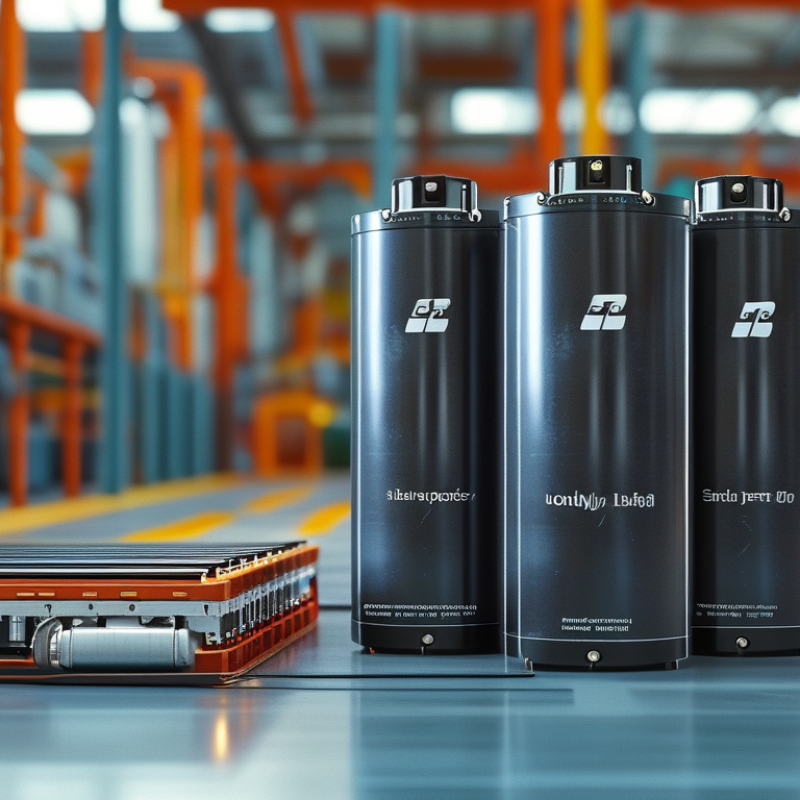
How to Improve Lithium Battery Performance for Better Efficiency?

Advancements in Lithium-Ion Battery Chemistry for Enhanced Performance

Recent advancements in lithium-ion battery chemistry are crucial for improving performance. Scientists are focusing on enhancing battery life and energy density. One major area is the development of new electrolyte materials. These materials can stabilize the battery and increase its efficiency. A solid electrolyte can potentially reduce risks of overheating and expand usage scenarios.

Tips: Regular maintenance of battery systems is essential. Monitoring temperature and usage patterns helps prevent performance issues.

Another significant focus is on anode materials. Researchers are exploring silicon-based anodes, which can store more lithium ions than traditional graphite ones. These improvements can lead to higher capacity and faster charging times. However, the expansion of silicon during charging presents challenges. Finding the right balance between performance and durability is vital.

Tips: Prioritize charging practices. Use smart chargers that prevent overcharging to extend battery life.

Enhancing lithium-ion batteries requires ongoing research. Material innovation and practical applications both play critical roles. Despite exciting developments, challenges remain. It's essential to remain aware of potential limitations in current technologies.

Optimizing Battery Management Systems for Efficiency and Longevity

Lithium batteries are crucial for today’s technology. Optimizing Battery Management Systems (BMS) is essential for enhancing efficiency and prolonging battery life. A BMS monitors various parameters, ensuring optimal performance. This not only improves energy utilization but also fosters longer-lasting batteries.


To achieve this, regularly update the BMS software. Newer versions often include better algorithms for efficiency. Additionally, ensure accurate temperature control. Extreme temperatures can degrade battery performance. Find a balance that optimizes both charging and discharging cycles.


Tips for effective BMS optimization include conducting periodic health checks. Regular assessments can identify potential issues early on. Another tip is to tailor charging protocols to specific battery chemistry. Not all batteries respond the same way to charging methods. Adapting practices ensures you get the most out of your batteries while minimizing risks associated with overcharging or deep discharging.

Impact of Temperature Control on Lithium Battery Efficiency Metrics

Temperature control plays a crucial role in enhancing lithium battery efficiency. Lithium-ion batteries are sensitive to temperature fluctuations. High temperatures can accelerate chemical reactions, leading to increased wear and tear. Conversely, low temperatures can slow down reactions, reducing power output and capacity. Striking the right balance is vital.

Maintaining an optimal temperature range can improve charging speed and discharge rates. For example, temperatures between 20°C and 25°C often yield the best results. When battery cells operate outside this range, performance metrics drop significantly. This phenomenon is particularly evident in electric vehicles, where driving range diminishes in extreme weather conditions.

Real-world applications often reveal temperature inconsistencies. Many users overlook the importance of ambient conditions. While some batteries include thermal management systems, they may not be fully effective. Understanding temperature impacts can guide ongoing improvements in battery design. This awareness leads to better user practices and technological advancements in battery management systems.

How Temperature Affects Lithium Battery Efficiency

Utilizing Nanotechnology to Improve Energy Density in Lithium Batteries

Nanotechnology holds great potential for enhancing the performance of lithium batteries. By manipulating materials at the nanoscale, researchers can significantly improve energy density. This increase leads to batteries that store more energy. Higher energy density means longer usage times, which is critical for electric vehicles and portable electronics.

One promising approach involves creating nanoscale structures within battery electrodes. These structures can facilitate faster electron movement. Improved conductivity boosts charging speeds and overall efficiency. However, there are challenges. Ensuring the uniform distribution of nanoparticles is not straightforward. Variability in particle sizes can lead to inconsistencies in battery performance.

Additionally, the long-term stability of nanomaterials must be addressed. Some nanoscale enhancements may degrade faster than traditional materials. Understanding these durability issues is essential for widespread adoption. Researchers must continue to explore both the benefits and drawbacks of nanotechnology in lithium batteries. Each advancement could unlock new possibilities, but awareness of the challenges is vital for sustainable progress.

Recycling and Reusing Lithium Batteries to Boost Sustainable Efficiency

Recycling and reusing lithium batteries play a vital role in enhancing sustainable efficiency. Used batteries can undergo processes to recover valuable materials, such as lithium, cobalt, and nickel. These recovered materials are essential for manufacturing new batteries, thus minimizing the need for virgin resources. The recycling process involves several steps, including collection, sorting, and extracting metals. It is crucial to ensure that facilities follow proper protocols to protect the environment.

Tips for effective recycling include locating certified recycling centers. These centers specialize in processing batteries safely. Avoid throwing batteries in regular trash. Instead, store them in a dedicated container until you can recycle them correctly. Proper storage prevents leaks that can harm ecosystems. Inform your community about battery recycling programs to increase participation.

Additionally, reusing batteries can extend their lifespan. Repurposing batteries for less demanding applications is one effective strategy. For example, older batteries could power backup lights or small devices. Monitoring battery health can help identify when they are ready for reuse. Embracing these practices can lead to more sustainable energy solutions while addressing waste concerns.

How to Improve Lithium Battery Performance for Better Efficiency?

Dimension Description Impact on Efficiency Recycling Method
Battery Material Quality Utilizing high-purity lithium and advanced materials Improvements in energy capacity and longevity Closed-loop recycling of materials for reuse
Battery Management Systems (BMS) Smart algorithms to optimize charging and discharging Enhanced battery life and reduced degradation Reusing advanced BMS in refurbished batteries
Temperature Management Maintaining optimal operating temperature Better performance and safety Recovering heat-exchanging systems from old batteries
Graphene Addition Incorporating graphene for conductivity Higher charge rates and capacity Sourcing graphene from recycled materials

FAQS

: Why is optimizing Battery Management Systems (BMS) important?

: BMS optimization enhances efficiency and prolongs battery life. It ensures optimal performance through monitoring various parameters.

How can I improve battery efficiency?

Regularly update BMS software for better algorithms. Ensuring accurate temperature control is vital for battery performance.

What temperature range is best for lithium batteries?

The ideal temperature range is between 20°C and 25°C. Operating outside this range can significantly drop performance.

Why should I conduct periodic health checks on batteries?

Periodic assessments can identify potential issues early. This proactive approach may prevent significant problems down the road.

How does temperature affect battery performance in electric vehicles?

Extreme temperatures can diminish driving range. Understanding temperature impacts can lead to better user practices and battery design.

What are the challenges of using nanotechnology in lithium batteries?

Ensuring uniform distribution of nanoparticles is difficult. Variability in sizes can lead to inconsistencies in performance.

Can nanotechnology truly enhance battery performance?

Yes, it can improve energy density and charging speeds. However, long-term stability of nanomaterials must be considered.

How do charging protocols need to be tailored?

Different batteries have unique responses to charging methods. Adapting practices protects against overcharging and deep discharging risks.

What should users keep in mind about thermal management systems?

These systems may not always be fully effective. Understanding ambient conditions is crucial for battery efficiency.

What role does awareness play in battery management?

Increased awareness of temperature and material impacts guides improvements. This understanding supports better practices and advancements.

Conclusion

In the pursuit of how to improve lithium battery performance, recent advancements in lithium-ion battery chemistry have paved the way for enhanced efficiency. Key strategies include optimizing battery management systems to extend lifespan and improve overall efficiency. Furthermore, the control of temperature plays a critical role in maximizing performance metrics, highlighting the importance of thermal management in battery design.

Additionally, the incorporation of nanotechnology is proving to significantly boost energy density, allowing for smaller and lighter batteries with longer-lasting power. Finally, the recyclability of lithium batteries not only addresses environmental concerns but also contributes to sustainable efficiency, making better performance an attainable goal in the evolving landscape of battery technology.

Charlotte

Charlotte

Charlotte is a seasoned marketing professional with a deep understanding of the company's portfolio and a passion for elevating its presence in the market. With a keen eye for detail and a commitment to excellence, she ensures that our professional blog is regularly updated with insightful articles......