Lithium batteries are widely used in everyday devices, from smartphones to electric vehicles. However, their improper storage can lead to serious hazards. Understanding how to store lithium batteries safely is crucial for minimizing risks. Many people overlook the importance of battery storage, leading to potential accidents.
The storage conditions can significantly affect battery performance and safety. Extreme temperatures can cause batteries to degrade or, worse, catch fire. Therefore, it is essential to keep them in a cool, dry place. Additionally, physical damage to batteries during storage is a concern. Storing them in secure, cushioned containers helps mitigate risks.
By exploring how to store lithium batteries safely, we can create a safer environment for ourselves and others. Reflecting on our storage habits can reveal areas for improvement. Maintaining awareness and adopting best practices can prevent dangerous situations. Embracing these strategies is a step towards responsible battery management.
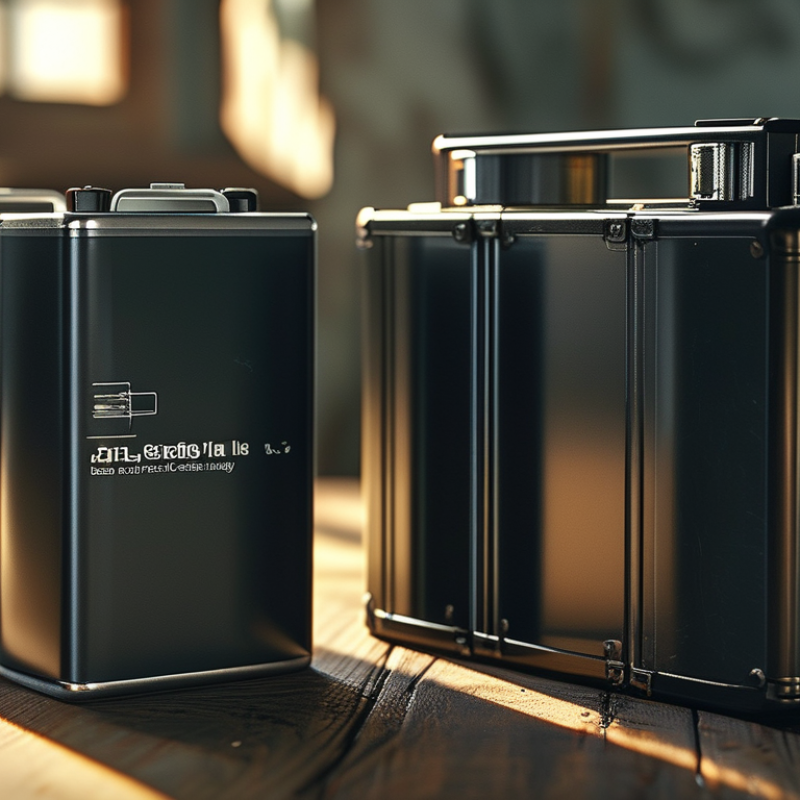
Best Practices for Storing Lithium Batteries in Home Environments
Storing lithium batteries safely is crucial to prevent potential hazards. Start by choosing a cool, dry location away from direct sunlight. A garage or storage room is ideal, but avoid areas with high humidity. Elevated temperatures can lead to battery degradation.
Use fireproof containers to store these batteries. Keep them away from metal objects to prevent short circuits. Organize them in a way that allows for easy access, but do not stack them haphazardly. Check for any signs of swelling or corrosion regularly. If any batteries appear damaged, dispose of them properly.
Label your batteries with purchase dates. This helps in tracking their life span. Batteries have a limited lifespan and should be replaced as recommended. It’s essential to educate everyone in your household about safe handling practices. Everyone must understand the basics, as carelessness can lead to serious accidents.
Safe Storage Practices for Lithium Batteries
To ensure the safety and longevity of lithium batteries, maintaining optimal storage conditions is essential. This chart illustrates the ideal temperature, humidity, charge level, and time for safe storage. Following these practices will help prevent hazards associated with lithium battery storage.
Ideal Temperature and Humidity Levels for Lithium Battery Storage
When storing lithium batteries, maintaining the right temperature and humidity is crucial. Industry reports recommend keeping lithium batteries in environments at temperatures between 20°C and 25°C. Extremes can lead to performance degradation. Prolonged exposure to high temperatures can increase the risk of thermal runaway, while low temperatures may reduce battery efficiency.
Humidity levels also play a critical role. An ideal humidity range is between 30% and 50%. Higher humidity can promote corrosion in battery terminals. This can compromise battery life and performance. Interestingly, studies indicate that fluctuations in humidity can alter the chemical properties of the battery. Therefore, finding a stable environment is essential.
It’s vital to monitor both temperature and humidity regularly. Some users may underestimate their impact. Tight spaces with poor ventilation can exacerbate risks. When storing multiple batteries, ensure they are not in contact with each other. This practice minimizes risk and allows better airflow. A balance of these factors can significantly enhance safety and prolong battery lifespan.
How to Store Lithium Batteries Safely to Prevent Hazards - Ideal Temperature and Humidity Levels for Lithium Battery Storage
| Storage Conditions |
Ideal Temperature (°C) |
Ideal Humidity (%) |
Duration of Storage (Months) |
Recommended Storage Location |
| Short-term Storage |
15 - 25 |
40 - 60 |
0 - 6 |
Cool, dry place |
| Long-term Storage |
0 - 15 |
30 - 50 |
6 - 12 |
Temperature-controlled storage facility |
| Extreme Conditions |
-20 to 60 |
<30 |
0 - 3 |
Not recommended |
| In-use Storage |
15 - 35 |
35 - 65 |
N/A |
Following manufacturer guidelines |
Methods to Organize and Label Stored Lithium Batteries Safely
Storing lithium batteries safely is crucial to avoid accidents. Organizing and labeling batteries properly can significantly reduce risks. When you store them, make sure to keep them in a cool, dry place. Extreme temperatures can lead to leaks or fires. A temperature range between 20 and 25 degrees Celsius is ideal.
Labeling is necessary for safety and efficiency. Use clear, permanent markers to indicate the voltage and charge status. Color-coded labels can help distinguish between fully charged and depleted batteries. Additionally, store batteries in non-conductive containers. Cardboard boxes or plastic bins work well. Keep terminals protected with electrical tape to prevent short circuits.
Tips: Keep an inventory list of stored batteries. This can help track usage and expiration dates. Always check batteries for corrosion or swelling before use. Dispose of any damaged batteries properly. It's essential to reflect on your storage habits. Are they safe and organized? Regular checks on your storage area can prevent potential hazards.
Preventing Physical Damage to Lithium Batteries During Storage
Storing lithium batteries requires careful attention to prevent physical damage. Proper storage protects the batteries from accidents that could lead to fires or leaks. It’s crucial to choose a safe storage location with controlled temperatures. Extremes in heat or cold can degrade battery performance and lifespan.
Tips for safe storage:
- Use original packaging if possible. It provides better cushioning and protection.
- Store batteries upright in a cool, dry area. Avoid dampness and direct sunlight.
Additionally, take care to keep batteries away from metal objects.
Loose change, keys, or tools can cause short circuits. It’s also wise to monitor the storage area regularly. Check for any signs of swelling or leaks. Such issues may indicate damage that needs immediate attention.
When organizing your batteries, ensure they don’t touch each other. This reduces the risk of short circuits.
Labeling batteries with their charge status can also minimize confusion. Being proactive about these details can help maintain safety. Remember, a little care in storage can prevent larger issues later on.
Emergency Measures for Lithium Battery Storage Incidents
When storing lithium batteries, safety is paramount. Incidents can occur, leading to potential hazards. If a battery leaks, smoke, or catches fire, quick action is essential. First, unplug any connected devices immediately. Carefully move the battery to a non-flammable surface, like concrete or metal. Avoid using water on electrical fires—this can worsen the situation. Instead, keep a Class D fire extinguisher handy.
Ensure you have a first aid kit accessible. In case of any exposure to chemical leaks, rinse the area with plenty of water. Always consult medical professionals if symptoms arise. Remember, personal safety comes first. Store batteries away from flammable materials to reduce risks. Regularly check the conditions of batteries. Store them in cool, dry places. This minimizes incidents and keeps you, and your surroundings, safe.
FAQS
: Store in a cool, dry location away from sunlight. Avoid high humidity areas.
Use fireproof containers to reduce risks. Non-conductive options like plastic bins work well.
Keep batteries away from metal objects. Protect terminals with electrical tape.
Labeling helps track voltage and charge status. It makes identifying fully charged and depleted batteries easier.
Regularly check for signs of swelling or corrosion. Dispose of any damaged batteries properly.
Ideally, store them between 20 and 25 degrees Celsius to avoid leaks or fires.
Regular checks are essential. Reflect on your storage habits to ensure safety and organization.
Avoid stacking batteries haphazardly. Organize them for easy access while preventing damage.
Maintain a list of stored batteries to track usage and expiration dates.
Educate all household members about safe handling practices. Carelessness can lead to serious accidents.
Conclusion
When learning how to store lithium batteries safely, it's essential to follow best practices that ensure their longevity and mitigate hazards. Storing batteries in a cool, dry place with ideal temperature and humidity levels can significantly reduce the risk of overheating or leakage. Organizing and labeling stored batteries properly not only helps in easy identification but also minimizes potential mix-ups that could lead to accidents.
Additionally, taking steps to prevent physical damage, such as using protective cases, is crucial in maintaining battery integrity. In the event of a storage incident, having emergency measures in place can ensure that any issues are promptly addressed, safeguarding both property and personal safety. By following these guidelines, you can effectively store lithium batteries while reducing associated risks.
 GAF Energy
